Delays are one of the most expensive problems in construction. They cost money, strain relationships, and disrupt schedules that are already tight. Even when crews are skilled and plans are solid, small inefficiencies can snowball into major setbacks. That is where understanding how portable storage fits into active construction jobs becomes increasingly important.

Portable storage is not just about having a place to put materials. Instead, it is about improving workflow, protecting supplies, and keeping crews focused on actual building rather than constant problem-solving. When used correctly, portable storage units can quietly eliminate many of the common causes of jobsite delays.

In this article, we will look closely at how portable storage supports faster timelines, smoother operations, and more predictable construction schedules. Along the way, we will also explore why more contractors are relying on mobile storage solutions instead of traditional off-site options.

Why Construction Delays Happen in the First Place

Before understanding how portable storage reduces delays, it helps to understand why delays happen at all. In most cases, the causes are not dramatic. Instead, they are practical, everyday issues that repeat over and over.

For example, materials arrive too early and clutter the site. Or, on the other hand, they arrive too late and crews stand idle. Tools go missing. Equipment gets damaged by weather. Crews waste time walking back and forth to retrieve supplies. Deliveries block access points. Security becomes a concern, especially overnight.

Individually, these issues seem manageable. However, when combined, they slow progress significantly. Therefore, solutions that address multiple problems at once tend to have the biggest impact.

That is where portable storage units come in.

What Portable Storage Really Means on a Jobsite

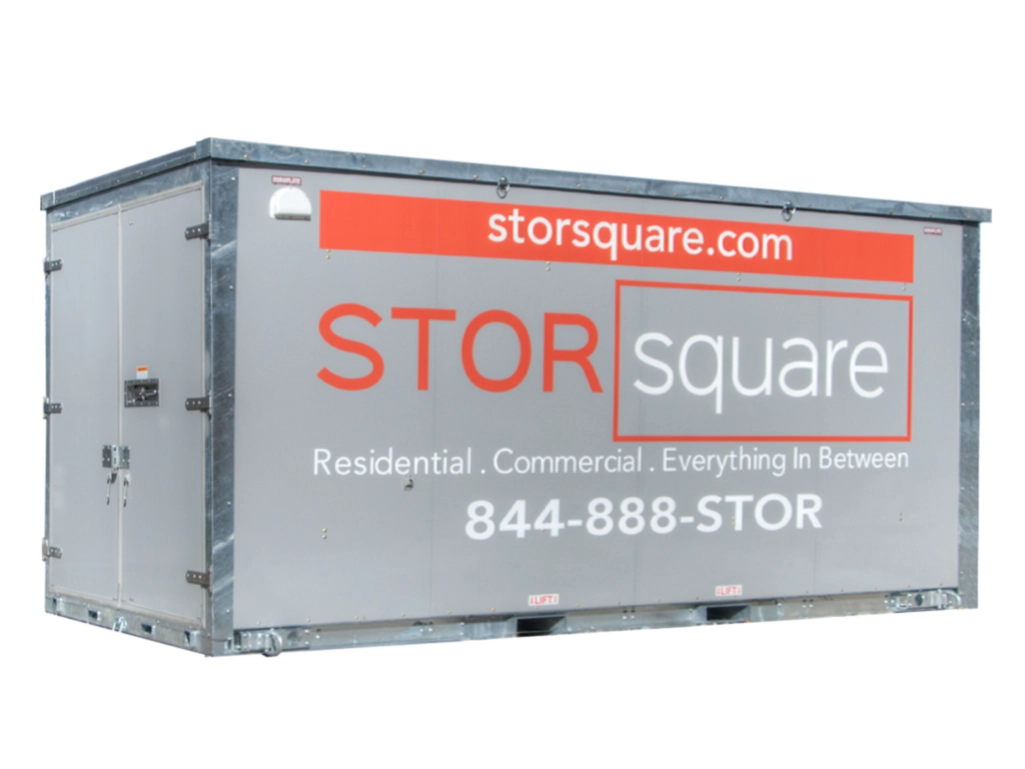
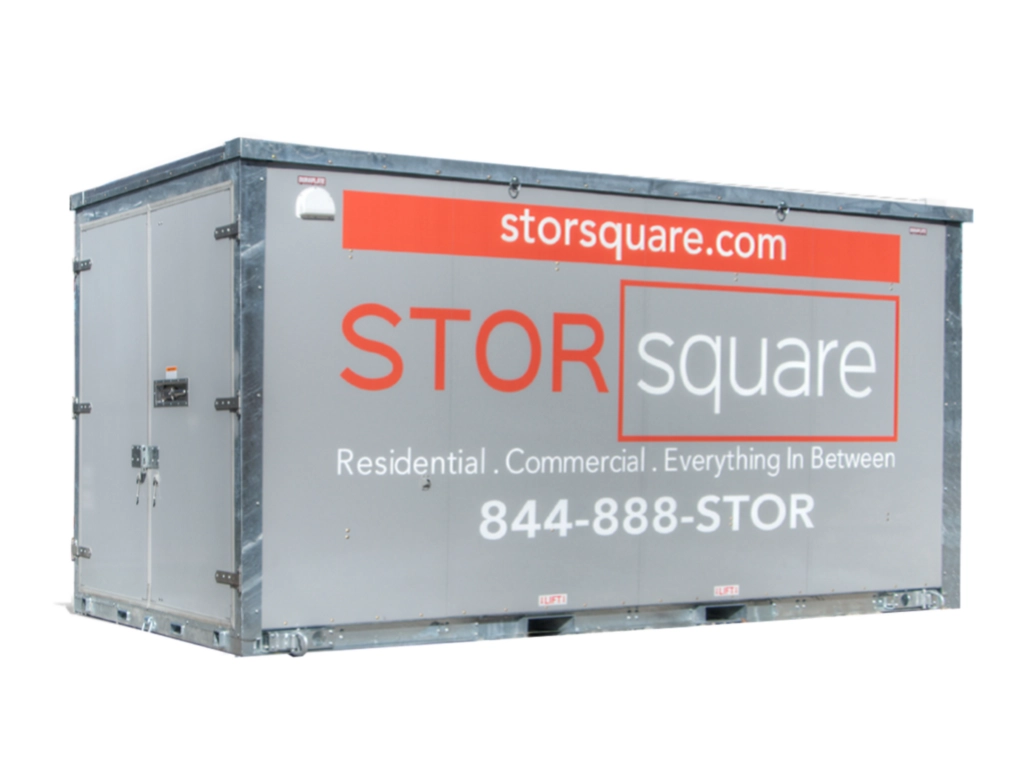
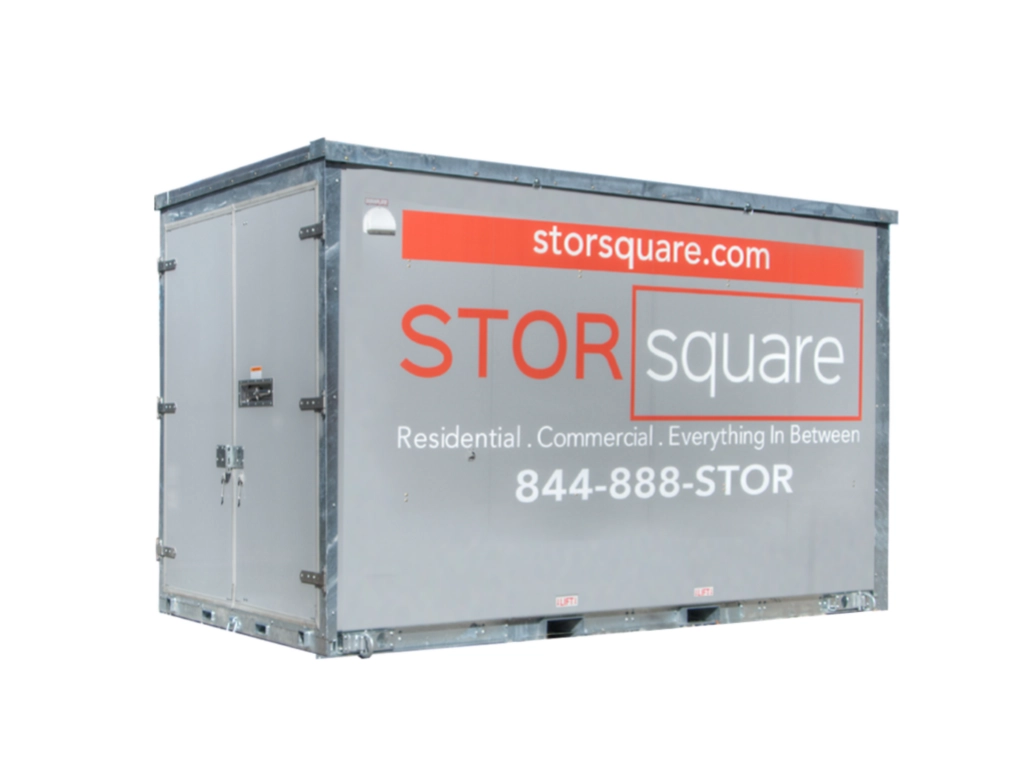
Portable storage, sometimes referred to as mobile storage units or storage container rentals, involves placing secure, weather-resistant containers directly on or near a construction site. These containers serve as on-demand storage for tools, materials, fixtures, and equipment.

Unlike traditional self storage facilities, portable self storage stays where the work happens. As a result, crews spend less time traveling and more time building.

In addition, storage rental containers can be delivered, relocated, or removed as the project evolves. That flexibility is key, especially on dynamic job sites where space and needs change week by week.

How Portable Storage Improves Material Flow

One of the biggest benefits of understanding how portable storage works is recognizing how it improves material flow.

Reduced Waiting Time

When materials are stored on-site in organized portable storage units, crews no longer wait for deliveries to arrive at the exact moment they are needed. Instead, materials can be delivered earlier, stored securely, and accessed when required.

As a result, work continues uninterrupted. Even when suppliers face delays, crews often have what they need already available.

Better Staging and Sequencing

Portable storage allows contractors to stage materials by phase. For example, framing supplies can be stored separately from electrical or plumbing components. Consequently, crews access only what is relevant to their current task.

This sequencing reduces confusion and keeps the jobsite cleaner. Moreover, it minimizes the risk of using materials out of order or damaging items meant for later stages.

Fewer Weather-Related Delays

Weather is an unavoidable factor in construction. Rain, snow, heat, and wind all create challenges. However, portable storage significantly reduces weather-related disruptions.

Because mobile storage units are designed to be weather-resistant, they protect materials from moisture, temperature swings, and debris. Therefore, crews spend less time drying, cleaning, or replacing damaged supplies.

Additionally, tools stored securely on-site remain ready for use regardless of overnight conditions. As a result, mornings start faster and more efficiently.

Improved Security Means Fewer Interruptions

Theft and vandalism are unfortunately common on active construction sites. Missing tools or stolen materials often lead to sudden delays while replacements are sourced.

Portable storage units help prevent these disruptions by providing secure, lockable storage. When valuable items are stored safely overnight, crews can begin work immediately the next day.

Furthermore, knowing that equipment is secure reduces stress for project managers and owners. Consequently, fewer emergency purchases and insurance claims are needed.

How Portable Storage Saves Time for Crews

Time lost walking, searching, or reorganizing adds up quickly. Portable storage units reduce these inefficiencies in several ways.

Centralized Access

Instead of spreading materials across multiple locations, portable storage keeps everything centralized. Therefore, workers spend less time moving around the site and more time working.

Reduced Setup and Breakdown

Many crews waste time setting up temporary storage areas or breaking them down as phases change. Portable storage eliminates much of that effort. Units arrive ready to use and can stay in place as long as needed.

Faster End-of-Day Cleanup

At the end of the day, crews can quickly secure tools and materials inside storage containers. As a result, cleanup takes less time, and the site remains organized for the next shift.

Portable Storage and Equipment Protection

Equipment damage is another hidden cause of delays. Tools exposed to weather or improper storage often fail unexpectedly, which is why understanding how portable storage protects equipment is so important on active jobsites.

By using portable storage units, contractors protect equipment from unnecessary wear. Consequently, tools last longer, repairs decrease, and downtime drops.

In addition, organized storage reduces the risk of accidents caused by clutter or improperly stored items. This not only protects workers but also helps projects stay on schedule.

Flexibility for Changing Jobsite Needs

Construction projects are rarely static. Schedules change. Scope evolves. Space becomes tighter or more available.

Portable storage adapts to these changes. Storage rental containers can be moved as the site layout shifts. Units can be added or removed depending on project phase.

For example, during demolition or early framing, fewer units may be needed. Later, during finishing stages, additional portable storage units can house fixtures, cabinetry, or appliances.

This flexibility supports smoother transitions between phases, reducing downtime during changeovers.

Comparing Portable Storage to Off-Site Storage

To better understand how portable storage reduces delays, it helps to compare it with off-site self storage options.

FeaturePortable Storage UnitsOff-Site Self Storage
Access LocationOn-siteRemote
Travel TimeMinimalSignificant
Weather ProtectionHighHigh
SecurityOn-site controlFacility controlled
FlexibilityHighLimited
Impact on DelaysReduces delaysCan increase delays

As shown above, portable storage consistently offers advantages that directly affect timelines. While off-site storage may work for long-term holding, it often introduces travel delays that slow daily operations.

Supporting Multiple Trades More Efficiently

Modern construction sites involve many trades working in sequence or simultaneously. Coordinating these teams can be challenging.

Portable storage helps by allowing each trade to have designated storage space. Electricians, plumbers, and finish carpenters can store tools and materials separately.

As a result, trades are less likely to interfere with one another. Workflows remain smoother, and scheduling conflicts decrease.

How Portable Storage Supports Remodeling Projects

Remodeling introduces unique challenges compared to new construction. Space is limited. Homeowners or occupants may still be present. Materials must be protected without disrupting daily life.

Portable storage units solve many of these issues. By placing storage containers on-site, crews keep tools and materials out of living areas. Therefore, work proceeds faster with fewer interruptions.

Additionally, portable self storage allows materials to be staged gradually, reducing clutter and improving safety.

Moving Within Construction Projects

Construction projects often involve moving materials from one phase or location to another. Whether it is a move within a large site or relocating equipment between projects, mobile storage simplifies the process.

Moving containers can be loaded once and transported as needed. As a result, materials stay organized and protected throughout transitions.

This approach reduces handling time, which in turn lowers the risk of damage and delays.

The Role of Portable Storage in Lean Construction

Lean construction focuses on minimizing waste and maximizing value, and understanding how portable storage supports these goals makes a measurable difference on active jobsites.

By reducing unnecessary movement, waiting, and overproduction, storage container rentals help streamline operations. Materials are available when needed, not too early and not too late.

Consequently, crews maintain momentum, and projects stay closer to schedule.

Why Subtle Logistics Improvements Matter

Large schedule changes often receive attention. However, it is the small, consistent improvements that truly reduce delays.

Portable storage does not change how buildings are designed or constructed. Instead, it improves how materials and tools are handled every day.

Over time, these small efficiencies add up to significant time savings.

Choosing the Right Portable Storage Partner

Not all portable storage solutions are the same. Contractors benefit most when storage providers understand construction workflows and jobsite demands, especially when evaluating how portable storage fits into daily operations.

Reliable delivery, flexible rental terms, and well-maintained units all matter. The best providers, like STORsquare, also offer options that scale easily with project size.

For teams looking to streamline operations without adding complexity, platforms that specialize in portable storage and mobile storage units can be especially helpful. When storage works quietly in the background, crews can focus on what they do best.

how-portable-storage-reduces-construction-delays-jobsite.jpg

How Portable Storage Contributes to Predictable Schedules

Predictability is critical in construction. When timelines slip, costs rise quickly.

Portable storage supports predictability by reducing variables. Materials are where they should be. Tools are ready when needed. Crews spend less time reacting to problems.

As a result, project managers gain better control over daily progress. Schedules become more reliable, even when unexpected challenges arise.

Why Portable Storage Is a Smart Investment

Understanding how portable storage reduces delays reveals why it has become a standard tool on modern construction sites. It improves material flow, protects assets, enhances security, and saves time at every stage of a project.

While portable storage may seem like a small logistical choice, its impact on productivity is significant. From new builds to remodeling, from local moves to long-term projects, portable storage units quietly support faster, smoother work.

For construction teams aiming to reduce delays without adding complexity, investing in the right storage solution is often one of the most practical decisions they can make.

When storage works with the job instead of against it, everything else moves forward more easily.

How portable storage reduces delays on active construction jobs?

How portable storage reduces delays comes down to accessibility and organization. By keeping tools and materials on-site in secure containers, crews avoid waiting on deliveries, reduce time spent searching for supplies, and maintain steady workflow throughout each phase of construction.

What types of construction projects benefit most from portable storage units?

Portable storage units are useful for new construction, remodeling projects, commercial builds, and even short-term local moves between job phases. Any project with limited space, multiple trades, or strict timelines can benefit from mobile storage solutions.

Are portable storage units secure enough for tools and equipment?

Yes. Most portable storage units are made from heavy-duty steel and designed to be lockable and weather-resistant. When placed on-site, they help reduce theft, vandalism, and weather damage, which are common causes of unexpected delays.

How does portable storage compare to off-site self storage?

Unlike off-site self storage, portable storage stays at or near the jobsite. This reduces travel time, improves efficiency, and keeps crews focused on work instead of logistics. For active construction projects, on-site access is often the more practical choice.

Can portable storage help with remodeling projects?

Absolutely. Remodeling often requires keeping materials secure while minimizing disruption to occupants. Portable self storage allows tools and supplies to stay organized outside living spaces, helping projects move faster and more safely.

How portable storage supports lean construction practices?

How portable storage supports lean construction is through reduced waste and unnecessary movement. By staging materials on-site and accessing them only when needed, crews cut down on overproduction, waiting, and excess handling.

What size storage containers are typically used on construction sites?

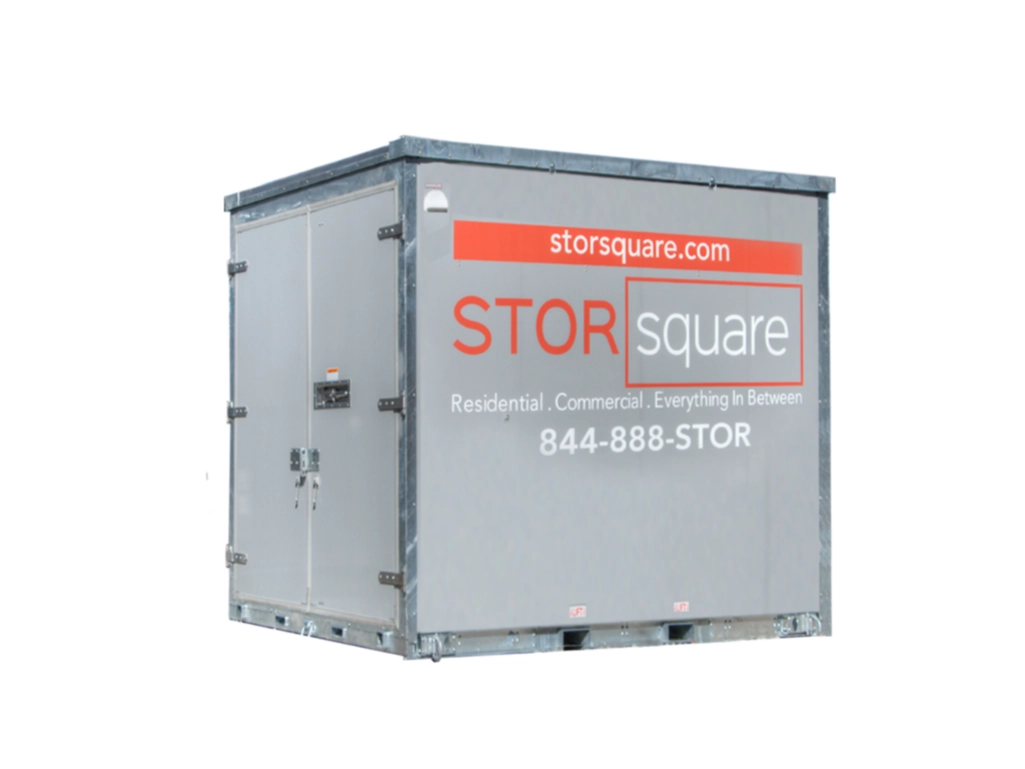
Storage container rentals come in a range of sizes, from smaller units for tools to larger containers for bulk materials or fixtures. The right size depends on project scope, available space, and how many trades need access.

Can portable storage units be moved during a project?

Yes. One of the main advantages of mobile storage units is flexibility. Containers can be relocated as the jobsite layout changes or as projects move from one phase to another.

Is portable storage useful for short-term projects or local moves?

Portable storage works well for short-term needs, including local moves within a construction site or between nearby projects. Moving containers allow materials to be loaded once and transported efficiently without repeated handling.

How do contractors choose the right portable storage provider?

Contractors should look for providers that understand construction timelines, offer flexible rental terms, and deliver reliable service. Platforms like STORsquare help connect teams with storage options that match jobsite needs without adding complexity.