
Construction projects run on schedules, coordination, and access to the right materials at the right time. However, even the best-planned job can slow down if tools go missing, supplies get damaged, or crews waste time tracking down equipment. That is exactly why onsite storage containers have become such an important part of modern construction operations.
For construction contractors, builders, and project managers, storage is no longer an afterthought. Instead, it is a strategic decision that directly affects productivity, safety, and profitability. When materials are stored properly onsite, work moves faster. When they are not, delays and frustrations follow.
Why Onsite Storage Containers Matter on Construction Sites
Construction sites are dynamic environments. Materials arrive daily. Crews rotate. Weather changes. Meanwhile, timelines keep moving forward. Because of this, contractors need storage that can adapt just as quickly.
Onsite storage containers solve several problems at once. First, they keep tools and materials close to where the work is happening. As a result, crews spend less time walking back and forth or waiting for deliveries. Second, they protect valuable assets from weather, theft, and accidental damage. Finally, they help contractors maintain an organized site, which improves safety and efficiency.
In contrast, relying on off-site storage or unsecured staging areas often creates bottlenecks. Even though it might seem manageable at first, the lost time adds up quickly over the course of a project.
Common Storage Challenges Contractors Face
Before looking at solutions, it helps to understand the most common storage issues on construction sites.
- Limited space for materials and equipment
- Exposure to rain, heat, or freezing temperatures
- Theft or vandalism after hours
- Disorganized tools slowing down daily tasks
- Frequent material deliveries disrupting workflows
Because these challenges appear on projects of all sizes, contractors increasingly turn to onsite storage containers as a flexible answer.
What Are Onsite Storage Containers?
Onsite storage containers are secure, portable units delivered directly to a job site. They can be used for tools, materials, equipment, or project supplies. Unlike permanent structures, these containers can be placed temporarily and moved as the project evolves.
Although they come in various sizes, most containers are designed to withstand heavy use, harsh weather, and frequent access. Therefore, they are well suited for construction environments where durability matters.
In many cases, contractors use storage container rentals rather than purchasing containers outright. This approach keeps overhead low while still providing reliable storage throughout the project lifecycle.
How Onsite Storage Containers Improve Efficiency
Efficiency is one of the biggest reasons contractors choose onsite storage. When materials are stored nearby, work flows more smoothly.
Reduced Downtime
First and foremost, crews spend less time waiting. Because tools and supplies are stored onsite, workers can access what they need immediately. Consequently, fewer hours are wasted searching for missing items or waiting for deliveries.
Better Workflow Planning
Additionally, onsite storage supports better planning. Contractors can stage materials by phase, trade, or task. As a result, each crew knows exactly where to find their supplies, which keeps the site organized.
Fewer Delivery Interruptions
Moreover, having storage containers onsite reduces the need for constant deliveries. Instead of scheduling multiple drop-offs, materials can be delivered in batches and stored securely. This not only saves time but also reduces congestion on busy job sites.
Supporting Job Site Safety and Organization
Safety is always a top priority in construction. Cluttered sites increase the risk of accidents. Loose materials, scattered tools, and exposed equipment can quickly become hazards.
Onsite storage containers help address these issues by providing a designated place for everything. When tools are returned to storage at the end of each day, walkways remain clear. Likewise, materials stay stacked properly and protected.
As a result, job sites look more professional and operate more safely. Inspectors, clients, and crews all benefit from a well-organized environment.
Security Benefits for Contractors
Theft is a serious concern on construction sites, especially during nights, weekends, or project downtime. Replacing stolen tools or materials can quickly eat into profits.
Because onsite storage containers are typically built from heavy-duty steel and equipped with secure locking systems, they offer a strong deterrent against theft. In addition, having a single secure storage point makes it easier to track inventory and notice missing items early.
Many contractors find that investing in secure storage reduces insurance claims and lowers overall risk. Over time, these savings add up.
Weather Protection for Materials and Equipment
Weather exposure can ruin materials long before they are installed. Lumber warps. Electrical components corrode. Finishes degrade. Unfortunately, tarps and temporary coverings rarely provide adequate protection.
Onsite storage containers create a controlled environment that shields materials from rain, wind, sun, and temperature swings. As a result, materials stay in better condition, and contractors avoid costly replacements or delays.
This is especially important for projects involving remodeling, where materials may need to be stored onsite for extended periods while work progresses in phases.
Flexible Storage for Different Project Phases
Construction projects rarely follow a straight line. Instead, they move through phases, each with different storage needs.
Early-Stage Construction
At the beginning of a project, containers may hold tools, safety equipment, and foundational materials. During this phase, easy access and durability matter most.
Mid-Project Build-Out
As the structure takes shape, storage needs shift. Containers might then store fixtures, mechanical components, or specialty materials that need protection until installation.
Finishing and Punch List Work
Toward the end of the project, containers often hold smaller tools, leftover materials, and cleanup supplies. Because of this flexibility, a single storage solution can support the entire project timeline.
Onsite Storage Containers vs. Traditional Storage Options
To understand the value of onsite storage, it helps to compare it with other options.
| Storage Option | Accessibility | Security | Flexibility | Best Use Case |
|---|---|---|---|---|
| Onsite storage containers | High | High | High | Active construction sites |
| Off-site self storage | Low | High | Medium | Long-term storage |
| Temporary sheds | Medium | Low | Low | Very short projects |
| Open staging areas | High | Low | Low | Minimal-value materials |
As shown above, onsite storage containers offer the best balance for active construction environments.
Cost Considerations for Contractors
Cost always matters. However, storage should be evaluated based on total impact rather than upfront price alone.
While storage rental containers come with a monthly fee, they often save money in other areas. For example:
- Reduced theft losses
- Less material damage
- Improved labor efficiency
- Fewer delivery charges
When these factors are considered together, onsite storage frequently pays for itself.
Using Mobile Storage Units for Multi-Site Projects
Contractors managing multiple projects often need storage that moves with them. In these cases, mobile storage units provide added value.
Because containers can be relocated, contractors can finish one project and then move the same container to the next site. This continuity simplifies logistics and reduces the need to reconfigure storage plans repeatedly.
For growing contractors, this flexibility supports scalability without adding unnecessary complexity.
When to Use Portable Self Storage During Construction
While onsite storage containers handle most daily needs, some projects require additional space. This is where portable self storage or self storage containers for rent can complement onsite solutions.
For example, during large remodels or staged builds, contractors may temporarily store excess materials off-site while keeping daily-use items on the job site. This hybrid approach balances accessibility and space constraints.
How Onsite Storage Fits Into Remodeling Projects
Remodeling projects present unique challenges. Unlike new builds, remodels often occur in occupied spaces or tight areas. Because of this, keeping materials organized and out of the way is essential.
Onsite storage containers allow contractors to remove materials from living or working areas, reducing disruption for occupants. At the same time, crews retain easy access to what they need.
This approach is particularly helpful for kitchen, office, or commercial remodels where space is limited and timelines are tight.
How STORsquare Fits Into Construction Storage
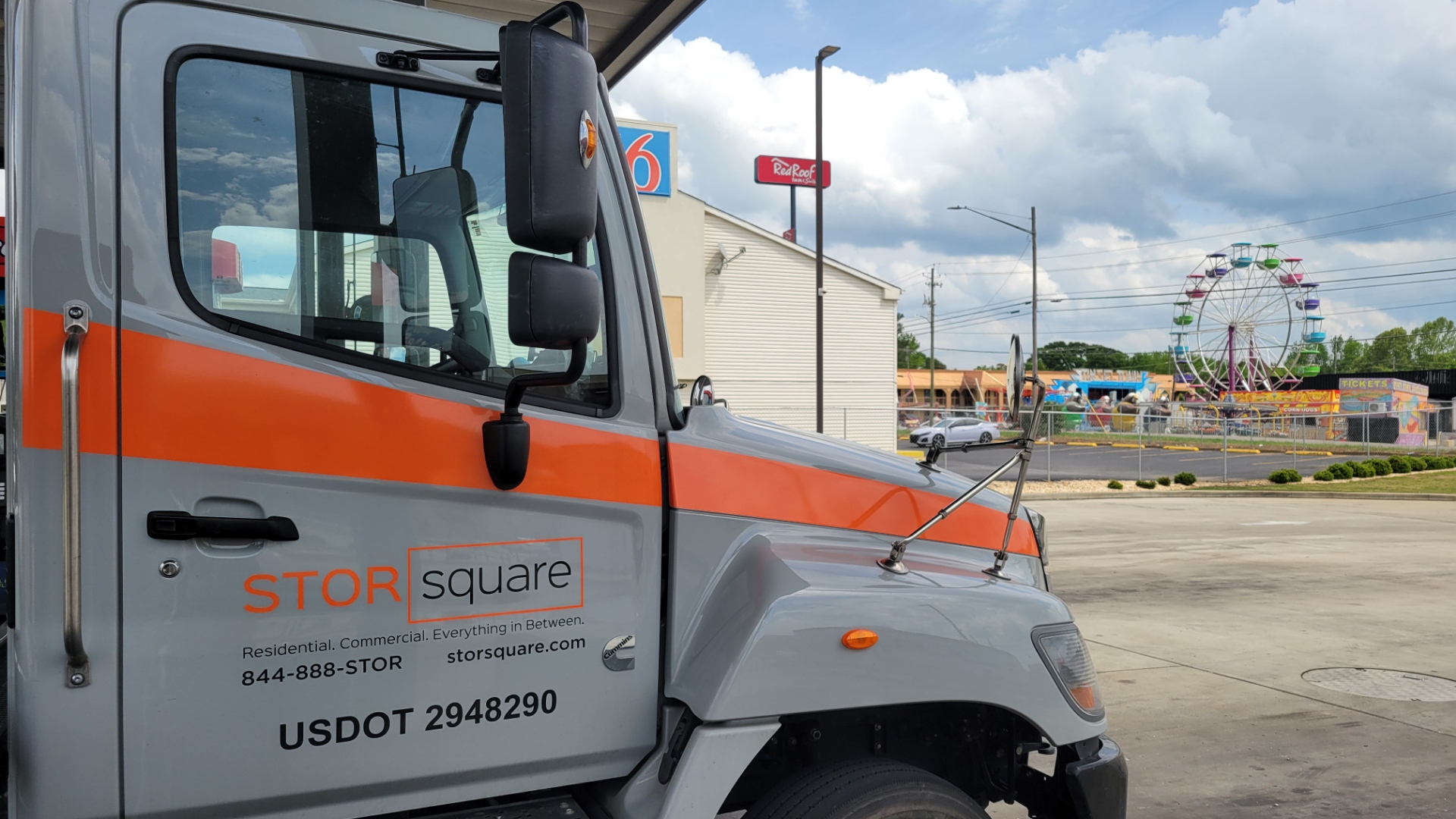
For contractors who need dependable storage without locking into long-term commitments, services like STORsquare offer a practical option. Having storage containers delivered directly to the job site, positioned where they’re needed, and removed when the project wraps up keeps operations moving without added complexity.
This kind of flexibility is especially valuable for contractors managing multiple jobs or working with changing timelines. Instead of adjusting workflows around storage limitations, crews can focus on the work itself, knowing materials and tools are secure and accessible when needed.
Planning Ahead for Storage Needs
One mistake contractors sometimes make is waiting too long to think about storage. However, storage should be part of the early planning process.
Questions to consider include:
- What materials will arrive first?
- How long will they need to be stored?
- How much access will crews need each day?
- Will storage needs change as the project progresses?
Answering these questions early ensures that onsite storage containers are sized and placed correctly from day one.
Environmental and Sustainability Considerations
More contractors are also thinking about sustainability. Reducing waste, preventing material damage, and minimizing unnecessary deliveries all support greener building practices.
Onsite storage containers contribute by protecting materials and reducing the need for replacements. Fewer damaged goods mean less waste and fewer emissions from additional deliveries.
Choosing the Right Storage Container Size
Not all projects need the same storage capacity. Choosing the right size prevents wasted space and unnecessary costs.
Small containers work well for tools and daily supplies. Larger containers are better for bulk materials or equipment. Some contractors even use multiple containers, each dedicated to a specific trade or phase.
Storage as a Competitive Advantage
In today’s construction industry, efficiency and reliability set contractors apart. While tools, crews, and planning matter, storage plays a surprisingly large role in overall success.
Onsite storage containers give contractors control over their materials, schedules, and workflows. They improve safety, reduce losses, and support smoother operations from start to finish.
For contractors looking to streamline projects and reduce friction, investing in smart storage solutions is not just practical. It is strategic. When storage works with you instead of against you, every project becomes easier to manage.