
Moving week has a way of sneaking up on you. One day your kitchen is fully stocked, and the next you are digging through boxes trying to find a single fork or a clean mug. It is usually not the big items that cause frustration. It is the small, everyday essentials that get packed too early or left out too long.
That is why more people are turning to a practical solution: setting up a last-week kitchen. Instead of shutting everything down at once, you keep a small, functional setup that allows you to eat, clean, and move through your final days without unnecessary stress.
For residents in and around Bowling Green, North Carolina, where many moves involve short drives toward Charlotte, Huntersville, or Concord, this approach is especially useful. When combined with portable storage during moving, it becomes much easier to stay organized while keeping your home livable right up until move-out day.
Why the Last Week of the Kitchen Is Always the Hardest
The kitchen is one of the last spaces to be packed because it is used constantly. Even when everything else is boxed, you still need to cook, eat, and clean. That creates a natural conflict. You want to pack early, but you also need to keep using the space.
Most people fall into one of two extremes. They either pack too early and rely heavily on takeout, or they wait too long and end up rushing through everything at the last minute. Both approaches create unnecessary stress.
A last-week kitchen solves this by creating a middle ground. You pack most of the kitchen early, then keep a minimal setup that supports daily routines without slowing down the move.
Start by Decluttering the Kitchen First
Before deciding what stays out, it helps to reduce what you actually need. Many kitchens contain duplicate tools, specialty appliances, and items that are rarely used. These can be packed weeks in advance without affecting your daily routine.
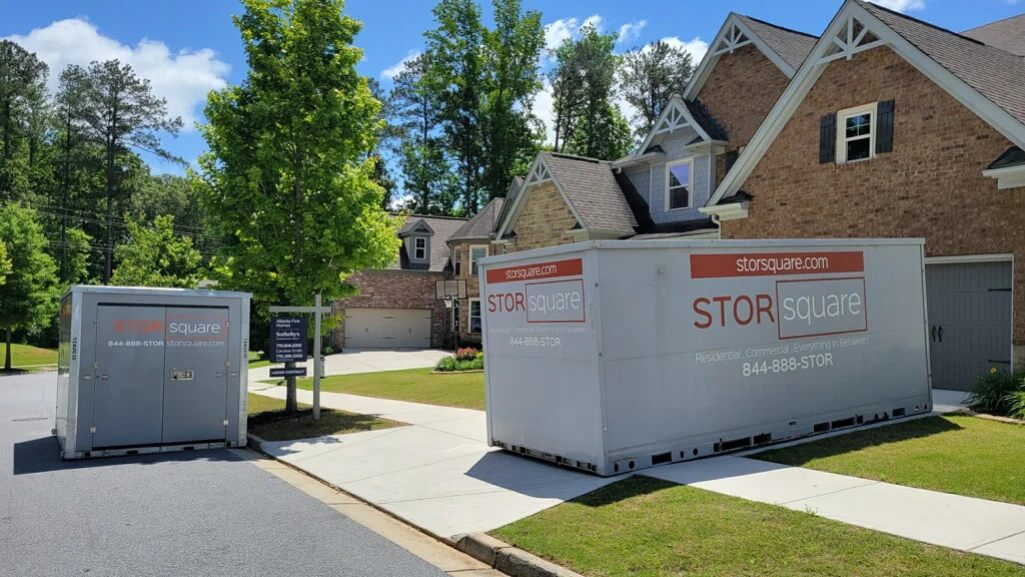
This is also the point where portable storage becomes especially helpful during a move. Instead of stacking boxes in your living space, you can move early-packed kitchen items into portable storage units. This keeps your home clear and reduces the feeling of living in a construction zone.
For people planning a local move, using storage container rentals allows you to pack gradually while keeping everything accessible and organized.
Define the Goal of Your Last-Week Kitchen
A last-week kitchen is not about convenience or variety. It is about keeping things simple and functional while the rest of your home is already packed.
When you are using portable storage during a move, this approach becomes even more effective. With most items already stored away, you rely on a small, dependable setup that supports your basic needs without creating extra work.
At this stage, your kitchen should focus on just a few priorities. It should allow you to prepare simple meals, keep cleanup quick, and make it easy to pack everything in a short amount of time when the move is complete.
If something adds complexity or slows you down, it does not belong in this phase.
What to Pack Early (And Not Look Back)
Packing early is one of the most effective ways to reduce stress during the final week, but it only works if you approach it with a clear plan. Instead of packing randomly, it helps to think about how often you actually use each item in your kitchen. Many things feel essential simply because they are there, not because you truly rely on them every day.
Most households can safely pack extra dishes, specialty appliances, and bulk pantry items weeks before moving day without noticing much of a difference. Items like stand mixers, extra baking tools, or duplicate utensils often take up valuable space while providing very little day-to-day value during the final stretch.
As those items are packed away, the kitchen begins to feel more manageable. Counters clear up, cabinets become easier to navigate, and the number of daily decisions decreases. Instead of constantly choosing between multiple tools or ingredients, you are working with a smaller, more intentional setup.
That shift may seem small, but it has a noticeable impact. By the time you reach the final week, you are not overwhelmed by clutter or unfinished packing. Instead, you are already operating within a simplified version of your kitchen, which makes the transition much smoother.
What to Keep in Your Last-Week Kitchen
At this stage, the focus shifts from packing to maintaining a workable space. Instead of trying to keep your entire kitchen functional, you narrow things down to only what you truly need for the final days. This is also where portable storage becomes especially useful, since most of your kitchen items have already been packed and moved out of the way.
A simple setup usually includes one pan, one pot, a cutting board, and a reliable knife. That is enough to prepare basic meals without overcomplicating things.
For dishes, limiting each person to one plate, one bowl, and one cup helps keep cleanup under control. It also prevents dishes from piling up, which can quickly become frustrating during a move.
Cleaning supplies should stay accessible as well. Dish soap, a sponge, and a towel are typically used until the very last day, so they should be packed last.
What makes this approach effective is not just the number of items you keep, but the simplicity it creates. With fewer tools and dishes available, there is less to manage, clean, and think about each day. That simplicity allows you to focus on the move itself rather than constantly adjusting your kitchen setup.
Managing Daily Routines Without Disrupting the Move
One of the biggest benefits of a last-week kitchen is that it creates a sense of normalcy. During a move, routines often disappear, and that can make the entire process feel more chaotic.
Keeping a small, functional kitchen allows you to prepare simple meals, stick to familiar habits, and avoid unnecessary stress. For families, this consistency is especially important. It keeps everyone more grounded even as everything else is changing.
When routines stay intact, the move feels more controlled and less overwhelming.
The Power of Disposable Items (Used Wisely)
Disposable plates and cups can be helpful, but they are best used in moderation. Relying on them too much can create unnecessary waste and clutter.
A balanced approach works better. Use your limited set of real dishes for most meals, and keep disposables available as a backup for particularly busy days. This keeps your kitchen functional without adding extra cleanup or frustration.
How to Label Kitchen Boxes So Unpacking Is Easier
Labeling is one of the most overlooked parts of moving, yet it has a major impact on how smoothly things go once you arrive at your new home.
Instead of labeling boxes simply as “kitchen,” it helps to be more specific. Identifying what is inside and when it will be needed makes unpacking far more efficient.
Clear labeling reduces confusion and allows you to set up your kitchen quickly without digging through multiple boxes.
Using Portable Storage to Simplify Kitchen Packing
Timing is one of the biggest challenges during a move. You want to pack early, but you also need space to live.
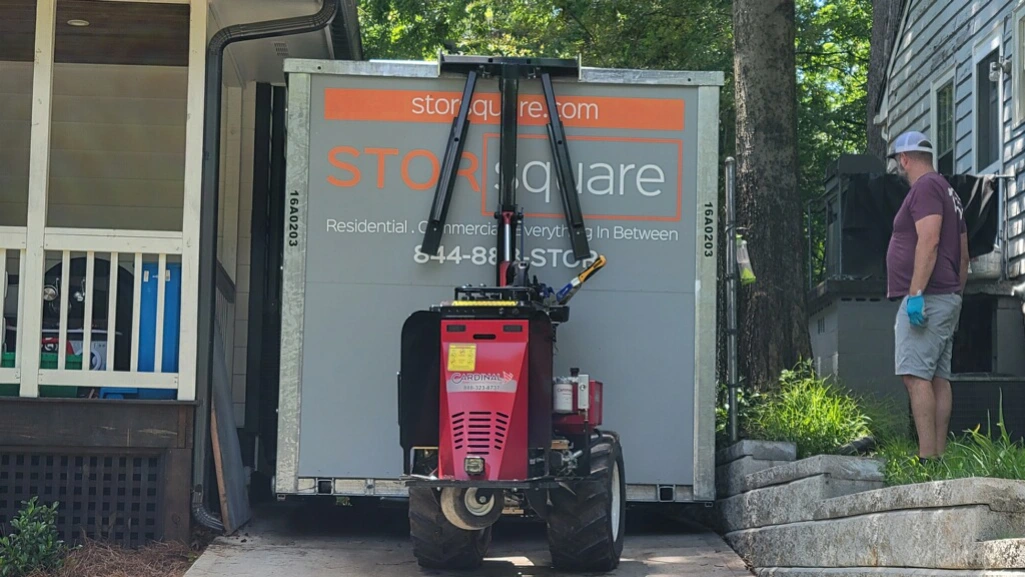
This is where portable storage during moving fits naturally into the process. By moving packed boxes into mobile storage units, you free up space inside your home while keeping everything secure.
In areas like Bowling Green and nearby Charlotte communities, many homeowners use portable self storage as a way to bridge the gap between packing and moving day. Instead of stacking boxes in every room, items are stored neatly and out of the way.
Companies like STORsquare provide solutions designed specifically for this kind of transition. Their storage rental containers allow you to pack at your own pace while keeping your home organized.
Want to make your move feel less overwhelming?
Portable storage lets you pack your kitchen and home in stages, so you are not surrounded by boxes or rushing at the last minute.
Explore Storage Options Near YouHow Portable Storage Creates Flexibility During the Final Week
The final week before a move rarely goes exactly as planned. Unexpected tasks come up, schedules shift, and timelines change.
Using portable storage during a move gives you the flexibility to adapt. As soon as boxes are packed, they can be moved out of your living space. This keeps your home functional and reduces the stress of navigating around unfinished work.
For people managing local moves, this flexibility often makes the difference between a chaotic experience and a manageable one.
A Sample Last-Week Kitchen Timeline
| Time Before Move | What to Do |
|---|---|
| 3–4 weeks | Pack specialty items and rarely used appliances |
| 2 weeks | Reduce dishes and pantry items |
| 1 week | Switch to last-week kitchen setup |
| Moving day | Pack final items and cleaning supplies |
Avoiding Takeout Fatigue During the Final Week
One of the biggest advantages of this approach is that it reduces the need for takeout. Simple meals like pasta, stir-fried vegetables, or sandwiches can be prepared easily with minimal cookware.
This keeps costs down and helps maintain a sense of routine, even during a busy move.
What to Do With the Refrigerator and Freezer
About a week before moving, it is a good idea to stop buying perishable items and focus on using what you already have.
Planning meals around existing food reduces waste and makes the final cleanout much easier. Frozen items can often be transported short distances, but timing is important to avoid spoilage.
The Final 48 Hours: Shutting the Kitchen Down
As moving day approaches, the last-week kitchen gradually transitions into a fully packed space.
At this stage, most items are boxed, leaving only the essentials. Cleaning supplies and a few final items are typically packed at the very end.
Having a clear plan for these final steps helps avoid last-minute confusion.
How This Approach Reduces Moving Stress
The last-week kitchen is not just about food. It is about control.
When you know exactly what is packed and what remains in use, you eliminate uncertainty. This reduces decision fatigue and allows you to focus on completing the move.
When combined with portable storage as part of the move, the process becomes even more manageable. You are not just packing. You are creating a system that supports you through the entire transition.
Why Kitchen Planning Matters More Than You Think
The kitchen often sets the tone for the entire move. When it feels chaotic, everything else tends to feel the same way.
By planning ahead and simplifying the space, you create a smoother experience from start to finish.
Creating the Right Conditions for a Smooth Move

Setting up a last-week kitchen is one of the simplest ways to reduce stress during a move. It allows you to maintain routines, avoid unnecessary expenses, and stay organized during a busy time.
For people in Bowling Green and surrounding North Carolina communities, combining this approach with portable storage during a move creates even more flexibility. It allows you to pack early, stay organized, and move at your own pace.
When the final box is sealed and the kitchen is officially closed, you will be glad you planned ahead.
Ready to simplify your move from start to finish?
With portable storage, you can pack once, stay organized, and avoid last-minute stress. It is a simple way to make your move more manageable.
Get a Free Quote