
When a fire or water emergency disrupts your home or business, the damage you see is only part of the problem. Just as important are the belongings inside the space. Furniture, documents, equipment, and personal items often need to be removed quickly so restoration work can begin. That is where temporary storage for contents becomes a critical part of the recovery process.
While restoration companies focus on drying, cleaning, and rebuilding, property owners are left with a pressing question: Where does everything go in the meantime? Choosing the right temporary storage solution can protect your belongings, speed up restoration timelines, and reduce stress during an already overwhelming situation.
This article explains how temporary storage fits into fire and water restoration, what options are available, and how choosing the right partner can make the entire process smoother. Along the way, you will see why modern, flexible storage solutions are becoming the preferred choice for homeowners, contractors, and insurance professionals alike.
Why Temporary Storage for Contents Is Essential After Damage
After a fire or flood, restoration crews need clear, open access to the affected areas. Walls may need to be opened, flooring removed, and industrial equipment installed. As a result, contents cannot safely remain on site.
When a fire or flood occurs, agencies like FEMA recommend securing personal belongings early to prevent further loss during recovery. Temporary storage for contents solves several problems at once. First, it protects items from further damage caused by moisture, soot, dust, or construction debris. Second, it creates space for restoration teams to work efficiently, which often shortens overall repair timelines. Finally, it helps homeowners and business owners stay organized during a chaotic period.
However, not all storage options are created equal. Traditional self storage facilities may be off site, difficult to access, or inconvenient during ongoing restoration. Because of that, many people now look toward portable and mobile solutions that adapt to the situation instead of adding friction.
Common Scenarios That Require Temporary Storage
Temporary storage for contents is not limited to large-scale disasters. It is often needed any time restoration work requires space, access, and protection for belongings. For example, fire damage involving smoke and soot can affect multiple rooms at once, making it unsafe to leave furniture and personal items in place during cleanup.
Water damage presents a different challenge. Burst pipes, flooding, or appliance failures often saturate flooring and walls, which means contents must be removed quickly so drying equipment can be installed properly. Mold remediation follows a similar pattern, since entire areas typically need to be cleared before treatment can begin.
Temporary storage is also commonly used during remodeling or structural repairs that follow fire or water damage. In commercial settings, the need is even more pronounced, as sensitive equipment, inventory, or records must be protected while restoration work continues.
How Temporary Storage Supports Faster Restoration
Speed matters during fire and water restoration, and small setbacks tend to compound quickly. When materials stay wet or exposed for too long, secondary damage becomes harder and more expensive to correct. Removing contents early and storing them properly gives restoration teams a clearer path forward and reduces avoidable setbacks.
When temporary storage for contents is readily available, restoration teams can begin work immediately. At the same time, property owners avoid the added coordination and costs that often come with transporting belongings to distant storage facilities.
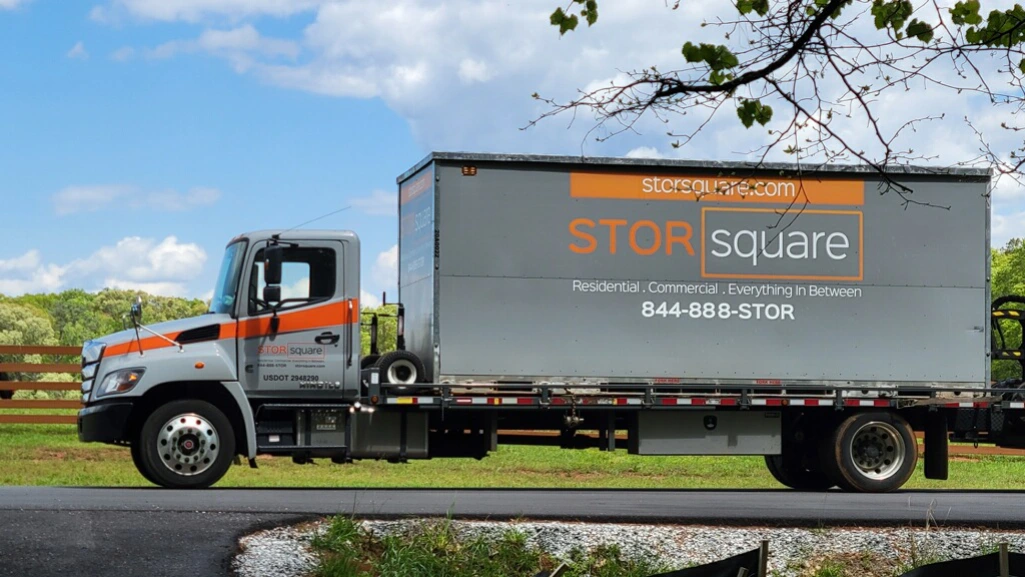
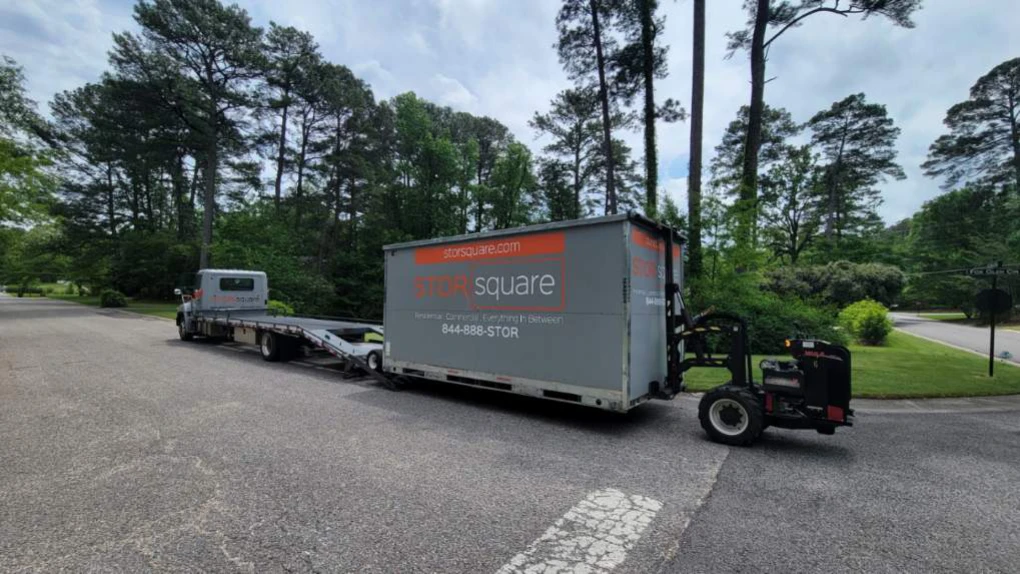
Portable storage units placed near the property allow contents to be removed quickly without introducing additional handling or transport delays. From a practical standpoint, this simplifies logistics for restoration crews. For homeowners and businesses, it also means rooms can be completed and put back into use gradually, without the disruption of moving everything at once.
Storage Options During Restoration: A Comparison
To understand why modern storage solutions are gaining popularity, it helps to compare the most common options side by side.
| Storage Option | Accessibility | Proximity | Flexibility | Best Use Case |
|---|---|---|---|---|
| Traditional Self Storage | Limited hours | Off site | Low | Long-term storage |
| Warehouse Storage | Restricted | Off site | Moderate | Large commercial jobs |
| Portable Storage Units | On demand | On site or nearby | High | Fire and water restoration |
| Mobile Storage Containers | Immediate | Delivered to location | High | Contents protection during repairs |
As the table shows, mobile storage units stand out for restoration projects. They combine security with convenience, which is especially valuable during unpredictable timelines.
The Role of Portable Storage in Fire Restoration
Fire damage creates unique challenges. Even items that appear untouched may be affected by smoke odor or soot particles. Because of this, contents often need to be removed for cleaning, deodorization, or specialized treatment.
Portable storage units allow these items to be packed carefully and kept isolated until cleaning is complete. Moreover, storing contents nearby ensures that restoration teams can easily coordinate cleaning and return without added transport costs.
In many cases, storage container rentals are used as temporary staging areas. Items are inventoried, protected, and moved back only when indoor air quality and structural conditions are safe. Handled this way, cleaned items don’t get dragged back into dusty, half-finished rooms, which lowers the risk of recontamination and keeps already-restored belongings from being damaged again.
Temporary Storage During Water Damage Restoration
Water damage often affects entire floors or buildings. The EPA notes that wet materials and belongings should be removed quickly to reduce the risk of mold growth. Drying equipment requires space, airflow, and access to surfaces. As a result, furniture and contents must be removed quickly.
This is where temporary storage for contents stops being a convenience and starts becoming a necessity. By relocating items into portable storage units, moisture exposure stops immediately. Additionally, contents can be dried, cleaned, or evaluated before being returned.
Control is another major factor, especially when multiple contractors or insurance timelines are involved. With storage rental containers, property owners maintain visibility into what is stored and when it will come back. This level of oversight is particularly helpful when working with insurance claims or coordinating with multiple contractors.
Security and Protection Matter More Than Ever
After a disaster, security concerns increase. Damaged properties may not lock properly, and contents left on site can be vulnerable. Therefore, choosing secure temporary storage is not optional.
Modern self storage containers for rent are built with durability and security in mind. Heavy-duty construction, lockable doors, and controlled access help ensure that items remain protected throughout the restoration process.
Equally important is environmental protection. Contents exposed to humidity or temperature swings may deteriorate further. High-quality portable storage units are designed to shield items from the elements, offering peace of mind during uncertain conditions.
Why Location and Access Are Critical
During restoration, plans often change. Unexpected repairs, extended drying times, or additional damage can shift timelines. That is why access to stored contents must remain flexible.
Unlike traditional self storage facilities, mobile storage solutions are designed to adapt to changing restoration timelines rather than locking owners into rigid access schedules. This flexibility allows restoration teams and owners to retrieve or add items without disrupting schedules.
Fewer transfers between locations also mean fewer opportunities for damage, loss, or confusion during an already complex process. In stressful situations, simplicity becomes a major advantage.
Temporary Storage for Contents and Insurance Coordination
Insurance claims often require detailed documentation. Contents may need to be inventoried, photographed, and tracked throughout the restoration process. Temporary storage solutions that support organization make this easier.
Clear documentation also makes it easier to resolve coverage questions and reduces delays when approvals or inspections are required. This approach not only helps during claims but also simplifies the return process once restoration is complete.
Insurance adjusters often appreciate solutions that minimize risk and streamline logistics. As a result, professional-grade storage options are frequently recommended during fire and water restoration projects.
Residential vs Commercial Restoration Storage Needs
While the principles are similar, residential and commercial projects often differ in scale and complexity.
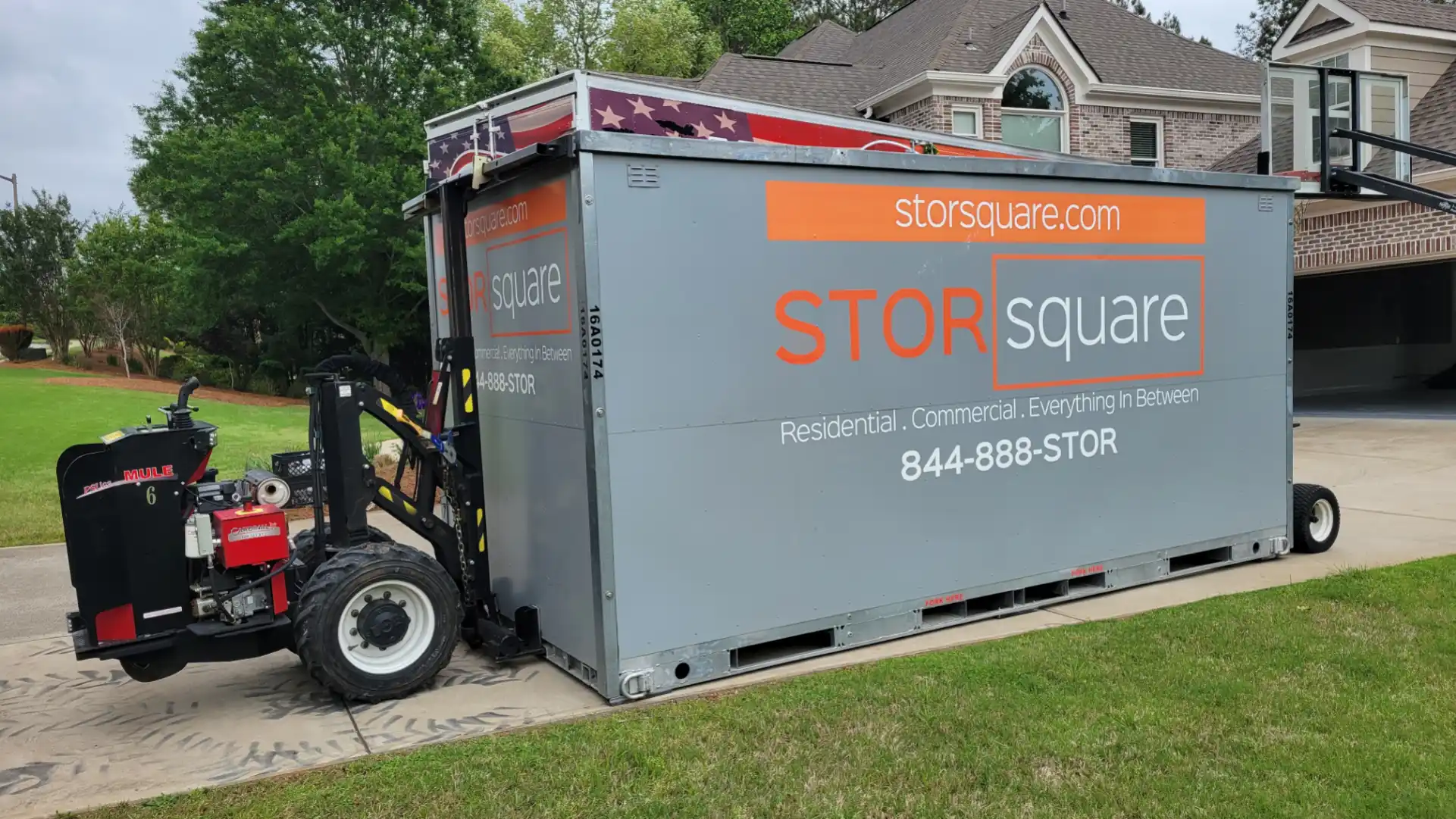
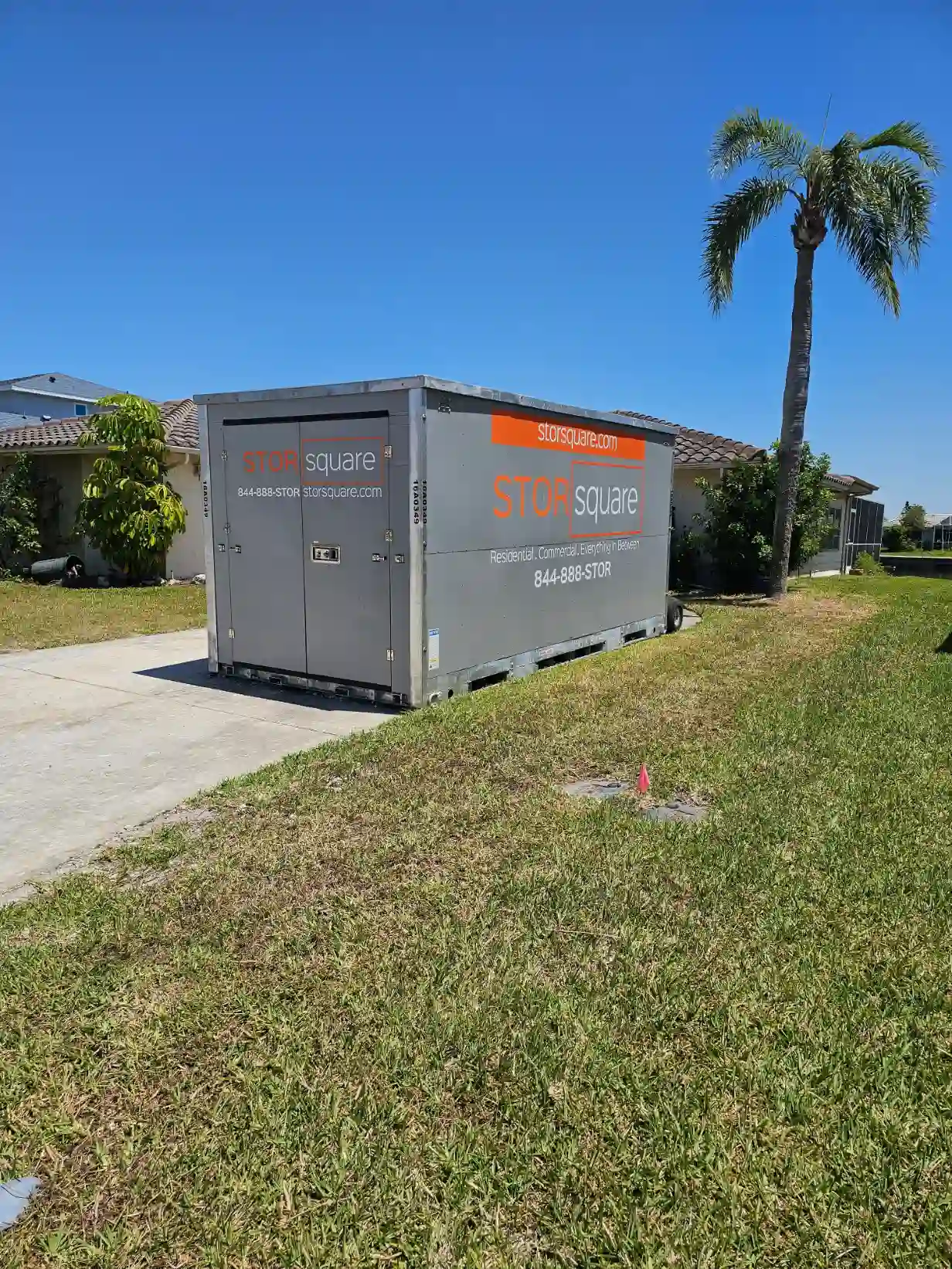
For homeowners, temporary storage for contents typically involves furniture, personal items, and household goods. Convenience and accessibility are top priorities. Portable storage units placed in a driveway or nearby location often work best.
For businesses, the focus shifts to continuity and asset protection. Equipment, inventory, and documents must be secured without disrupting operations more than necessary. In these cases, storage container rentals offer scalable solutions that can adapt as needs evolve.
What ties all of these situations together is the need to stay flexible, because restoration rarely follows a clean, predictable timeline.
How the Right Storage Partner Makes a Difference
Choosing temporary storage is not just about the container itself. Service, reliability, and responsiveness matter just as much.
A provider that understands restoration timelines can help coordinate delivery, placement, and pickup with minimal disruption. In addition, flexible rental terms ensure that you are not locked into unnecessary commitments if timelines change.
Companies like STORsquare focus on practical, user-friendly storage solutions that fit seamlessly into restoration projects. While storage should never overshadow restoration itself, having the right system in place quietly supports everything else.
Temporary Storage and Remodeling After Damage
Fire and water damage often lead to remodeling. Once walls are opened or layouts are adjusted, it may not make sense to return contents immediately. Temporary storage for contents bridges the gap between restoration and renovation.
During remodeling, having mobile storage units available allows for phased work. Contractors can complete sections without interference, while belongings stay protected.
This approach is especially helpful during local move or remodeling projects that extend beyond initial restoration. Instead of rushing to put items back, owners can wait until the space is truly ready.
What to Look for in a Temporary Storage Solution
When selecting temporary storage for contents during restoration, a few practical factors tend to matter more than anything else. Proximity to the property is one of the biggest considerations, since nearby storage reduces transportation time and makes it easier to access items as work progresses.
Security is equally important, especially when properties are partially damaged or left unattended. Storage units should be built to withstand weather exposure while also protecting contents from unauthorized access. Flexible rental terms also play a role, as restoration timelines often shift due to hidden damage or extended repairs.
Finally, ease of access should not be overlooked. Storage that allows items to be added or retrieved without disrupting restoration work can make a noticeable difference over the course of a long project.
The Human Side of Temporary Storage
Beyond logistics, temporary storage addresses emotional stress. After a fire or flood, people want reassurance that their belongings are safe. Knowing that items are protected, organized, and nearby provides a sense of control during uncertainty.
Portable storage solutions help restore order at a time when everything feels disrupted. That peace of mind is hard to quantify, but it’s something homeowners regularly point to once the dust settles and the restoration is finally behind them.
Why Temporary Storage for Contents Is Becoming the Standard
As restoration practices evolve, so do expectations. Today, efficient content handling is no longer optional. Restoration work has become more complex and time-sensitive. As a result, temporary storage for contents is now routinely built into professional fire and water restoration workflows.
With the rise of flexible storage rental containers, property owners now have more control than ever. Instead of adapting to rigid systems, storage adapts to the project.
That shift saves time, reduces risk, and supports better outcomes overall.
Take the Next Step Toward a Smoother Restoration
If you are facing fire or water damage, planning for temporary storage early can make a significant difference. By securing the right solution, you protect your belongings and help restoration teams work efficiently.
Whether you need short-term storage during drying or extended storage during remodeling, flexible portable options are designed to meet you where you are.
Temporary storage for contents is more than a convenience. It is a critical step toward recovery, organization, and peace of mind when it matters most.