
Active construction jobs rarely slow down because of one big problem. More often, delays come from small issues that pile up: materials are not where crews need them, tools go missing, weather damages supplies, delivery areas get crowded, or workers lose time walking back and forth across the site. Therefore, understanding how portable storage reduces delays is not just about finding a place to put extra materials. It is about building a smoother, more predictable jobsite workflow.
On a busy construction site, every hour matters. When framing crews, electricians, plumbers, roofers, flooring installers, and project managers all need access to different materials at different times, poor storage can quickly turn into a scheduling problem. As a result, a portable storage unit placed near the work area can help crews keep critical supplies close, protected, and organized. Instead of waiting on another delivery, searching through a crowded trailer, or moving materials several times before they are installed, teams can work from a more controlled setup.
Portable storage units are especially useful because construction schedules change constantly. Weather shifts. Inspections move. Subcontractors arrive early or late. Material deliveries do not always line up perfectly with the phase of work. However, when a contractor has a secure mobile storage solution on site, there is more room to adjust without stopping progress. That flexibility is one of the main reasons storage container rentals have become a practical tool for reducing downtime on residential, commercial, remodeling, and local move-related construction projects.
STORsquare, for example, offers job site storage solutions for construction trades and provides a quote form for portable storage needs, which makes it easier for contractors to plan storage around an active schedule instead of reacting after delays begin.
Need storage on an active jobsite?
Get a portable storage quote for your construction project and keep tools, materials, and supplies closer to where the work is happening.
Request a Portable Storage QuoteWhy Construction Delays Often Start With Storage Problems
Construction delays are usually discussed in terms of labor shortages, permit issues, bad weather, or supply chain problems. Those are real concerns. However, jobsite storage often plays a quieter role in the same delays. If materials arrive before the site is ready, they need a safe place to stay. If they arrive late, crews may lose momentum. If they arrive on time but are stored poorly, they can still slow the job down.
For example, lumber stacked in the wrong area may need to be moved twice before use. Fixtures stored inside an unfinished building may get in the way of drywall or painting crews. Tools kept in personal vehicles may not be available when another team needs them. Meanwhile, exposed materials can be damaged by rain, mud, dust, or theft. Each issue may seem small at first. Nevertheless, each one adds friction to the schedule.
This is where how portable storage reduces delays becomes clear. A storage container creates a defined place for tools, equipment, parts, and materials. More importantly, it gives the project manager more control over when and where those items are accessed. Instead of treating storage as an afterthought, contractors can use mobile storage units as part of the project plan.
A good storage setup also reduces confusion. When crews know that fasteners, fixtures, safety gear, and backup tools are kept in a specific container, they spend less time asking questions and more time working. In addition, when materials are organized by phase, subcontractors can get what they need without sorting through unrelated supplies.
How Portable Storage Reduces Delays Through Better Material Access
The biggest advantage of portable storage is simple: it keeps materials close to the point of use. On large or active jobsites, distance matters. If workers need to cross the site repeatedly to retrieve parts, small trips can consume a surprising amount of time. Consequently, placing portable self storage near the current work zone can reduce wasted movement and help crews stay focused.
Consider a remodeling project where cabinets, flooring, trim, and fixtures arrive before the rooms are ready. Without a secure container, those materials may be squeezed into garages, hallways, or unfinished rooms. That creates clutter and increases the chance of damage. However, with a portable storage unit outside the work area, materials can remain accessible without blocking the job.
The same logic applies to commercial projects. Storage rental containers can be placed near a loading area, staging zone, or trade-specific access point. Then, as the job moves from rough-in to finish work, the container can support the next phase. In addition, project managers can schedule deliveries earlier without worrying as much about where everything will go.
This is one of the most practical examples of how portable storage reduces delays. Instead of waiting until the exact installation date to receive supplies, contractors can bring in certain items when they are available, store them safely, and use them when the schedule reaches that phase. Therefore, portable storage helps bridge the gap between delivery timing and jobsite readiness.
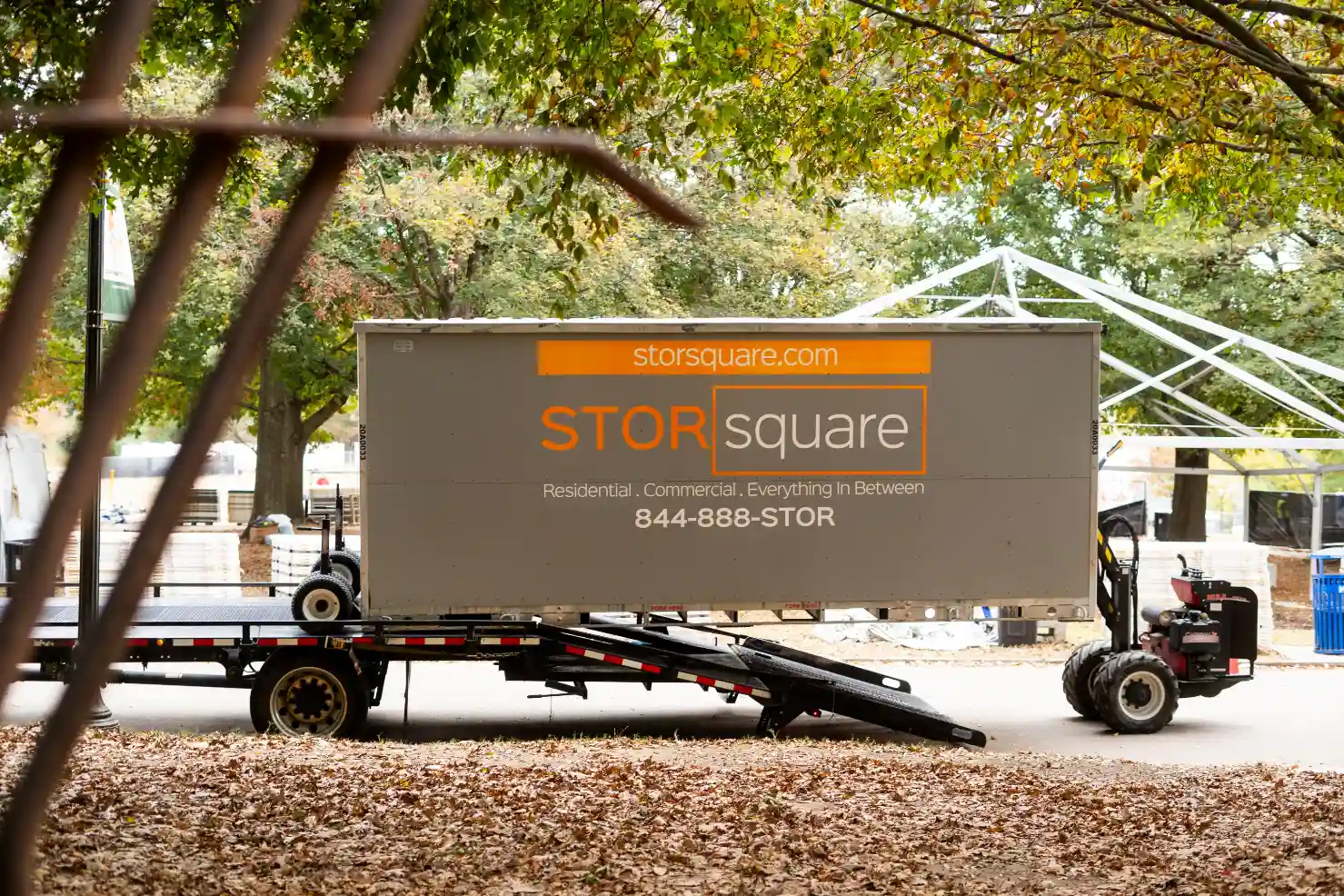
Reducing Rehandling and Double Work
Rehandling is one of the hidden time drains on construction sites. It happens when materials are moved, stored temporarily, moved again, and then finally installed. While some movement is unavoidable, too much rehandling wastes labor and increases the chance of damage.
Portable storage helps reduce this problem because it creates a central, intentional staging point. For instance, instead of unloading materials into a random corner and moving them later, crews can load them into self storage containers for rent and retrieve them when needed. As a result, the site stays cleaner, and workers avoid unnecessary steps.
This matters even more when multiple trades are working at once. If electrical supplies, plumbing parts, and finish materials are all mixed together, workers may need to move one trade’s materials to access another’s. However, a well-labeled container system can separate materials by trade, phase, or priority. That organization helps prevent one crew’s work from slowing another crew down.
In addition, portable containers can make end-of-day cleanup faster. Tools and materials do not need to be carried back to distant storage or loaded into trucks every night. Instead, crews can secure them nearby and return to work faster the next morning. Over several weeks, those saved minutes can become saved days.
Protecting Materials From Weather, Theft, and Site Damage
Weather is one of the most common causes of construction delays, but it does not only delay outdoor work. It can also damage materials before they are installed. Rain can affect flooring, trim, drywall, hardware boxes, and packaged fixtures. Wind can scatter lightweight materials. Mud can make staging areas difficult to use. Therefore, secure portable storage can help prevent weather-related setbacks by keeping important materials dry, organized, and ready for use.
STORsquare notes that its portable storage units are weather-resistant and available in several sizes, including 8-foot, 12-foot, 16-foot, and 20-foot options. Its container specs page also describes steel construction and weather-focused design features. These details matter for contractors because the right container can help keep supplies dry, secure, and ready for use.
Theft is another concern. Tools, copper, fixtures, and equipment can be expensive to replace. More importantly, stolen items can stop a crew from completing scheduled work. Even if replacement parts are available, the time spent filing reports, reordering supplies, and rearranging labor can push the project back. As a result, secure mobile storage can reduce the risk of schedule disruption.
Damage from normal site activity is also worth considering. Forklifts, trucks, ladders, and foot traffic can all create risk when materials are stored in open areas. However, when supplies are placed inside a designated container, they are less exposed to accidental impact, dust, and clutter. This kind of protection is not dramatic, but it is practical. It keeps projects moving because fewer materials need to be repaired, replaced, or reordered.
A Practical Look at Delay Sources and Portable Storage Solutions
The table below shows how portable storage can address common jobsite delay points. Although every project is different, these examples explain how portable storage reduces delays in everyday construction situations.
| Common delay source | What usually happens | How portable storage helps |
|---|---|---|
| Materials arrive before installation | Supplies crowd rooms, hallways, or outdoor areas. | A container creates a secure staging area until crews are ready. |
| Crews lose time searching for tools | Workers walk the site or check multiple vehicles. | Tools can be stored in one organized, accessible place. |
| Weather threatens materials | Rain, mud, or wind damages supplies. | Weather-resistant storage helps keep materials protected. |
| Deliveries disrupt active work | Trucks arrive when crews are using the space. | Containers allow earlier staging and smoother delivery planning. |
| Multiple trades overlap | Materials get mixed, moved, or blocked. | Storage can be organized by trade, phase, or priority. |
| Theft or loss occurs | Missing items delay installation or inspection. | Lockable storage reduces exposure and improves accountability. |
| Site cleanup takes too long | Crews spend extra time moving items at day’s end. | Tools and supplies can be secured quickly near the work area. |
Planning storage around your construction schedule?
STORsquare offers job site storage options that help contractors stage materials, protect supplies, and reduce unnecessary back-and-forth.
Explore Construction Storage SolutionsImproving Scheduling Flexibility
Construction schedules depend on coordination. However, even a well-planned schedule can change. A supplier may deliver early. An inspection may be delayed. A subcontractor may need to return for a small correction. Because of this, contractors need flexible systems that can absorb changes without creating more disruption.
Portable storage supports that flexibility. For example, if finish materials arrive before rough-in work is complete, they can be stored safely instead of rejected, rescheduled, or placed in the way. Likewise, if a project manager wants to order materials early to avoid availability problems, a portable container makes early delivery easier to manage.
This can be especially useful during remodeling work. Remodeling projects often happen in occupied homes, operating businesses, or tight neighborhoods where space is limited. Therefore, portable storage units can act as temporary staging areas that keep materials close without taking over the interior. In a local move, renovation, or remodeling project, that difference can make the work feel less chaotic for both the contractor and the customer.
Moreover, portable storage can help when project phases overlap. While one crew finishes exterior work, another crew may need to prepare interior materials. Instead of forcing everything into the building at once, a container allows the project manager to control what enters the work area and when.

Keeping Crews Productive and Focused
A construction crew’s productivity depends on flow. Once workers are set up, they need a steady rhythm: measure, cut, install, check, and move forward. However, that rhythm breaks when someone has to leave the work area to find a tool, wait for a material, or move clutter out of the way. Over time, those interruptions reduce output.
That is another reason how portable storage reduces delays is tied to daily jobsite habits. A container is not only a box for storage. Used well, it becomes part of the work system. Crews can start the day by pulling what they need from the container, work through planned tasks, and return items at the end of the shift. As a result, the site becomes more predictable.
Predictability also helps supervisors. When materials are stored in a known location, it is easier to check inventory before a phase begins. If something is missing, the project manager can catch the issue earlier. Consequently, the team has more time to reorder supplies or adjust the schedule before workers are standing around.
In addition, organized storage improves communication between trades. A superintendent can tell a subcontractor exactly where to find approved materials. A lead carpenter can separate finished trim from rough materials. A roofing crew can keep fasteners, underlayment, and tools together. These small systems help crews avoid confusion, and therefore, they help reduce downtime.
Supporting Safer, Cleaner Jobsites
Safety and scheduling are closely connected. A cluttered jobsite creates trip hazards, blocked access routes, and slower movement. When crews have to work around scattered materials, they may take longer to complete tasks. Worse, an incident can stop work entirely. CPWR and NIOSH also note that poor housekeeping can lead to production delays, property damage, and higher costs.
Portable storage helps by giving materials and tools a proper place to go. Instead of leaving items in walkways, stair areas, or active rooms, crews can store them in a container until needed. As a result, the work area stays cleaner and easier to navigate.
Cleaner jobsites also make inspections and walkthroughs smoother. Inspectors, owners, and project managers can see completed work more clearly when materials are not blocking access. In addition, punch list work becomes easier when replacement parts, touch-up materials, and tools are stored in one place.
This does not mean a container solves every safety issue. Still, it supports better site control. And better site control often leads to fewer interruptions, fewer mistakes, and fewer avoidable delays.
Using Portable Storage for Different Construction Phases
Portable storage can be helpful during nearly every stage of a project. However, its role changes as the job progresses.
During site prep and early construction, storage containers can hold tools, safety equipment, temporary power supplies, signage, and weather-sensitive materials. At this stage, crews often need fast access to basic equipment, so having storage nearby can reduce setup time.
During rough-in, mobile storage units can hold electrical materials, plumbing parts, HVAC components, and framing supplies. Since rough-in work often involves several trades working around each other, organized storage helps prevent mix-ups.
During finish work, portable containers become even more valuable. Finish materials are often more vulnerable to damage. Cabinets, flooring, doors, hardware, lighting, and trim need protection from moisture, dust, and jobsite traffic. Therefore, keeping these items in a secure container until installation can reduce rework.
Finally, during closeout, the container can hold punch list supplies, extra materials, cleaning equipment, and tools for final adjustments. This keeps small tasks from turning into larger delays because the right items are still on site when needed.
Choosing the Right Portable Storage Setup
Not every job needs the same storage plan. A small remodeling project may only need one compact container, while a larger commercial project may need multiple units organized by trade or phase. Therefore, contractors should think about storage before materials start arriving.
The first consideration is location. The container should be close enough to save time but not placed where it blocks deliveries, emergency access, or active work zones. In addition, the door should open toward a practical loading area so crews can move materials safely.
The second consideration is size. Too small, and the container becomes crowded. Too large, and it may take up valuable site space. STORsquare lists multiple portable storage sizes, which can help customers match the container to the job rather than forcing every project into the same setup.
The third consideration is organization. Contractors should avoid treating the container as a catch-all. Instead, it should be arranged with clear zones. High-use tools should be easy to reach. Fragile finish materials should be protected. Heavy items should be stored safely. Labels, shelving, pallets, and simple aisle space can make a major difference.
Finally, the storage plan should match the schedule. If the project has phases, the container should be loaded with those phases in mind. Materials needed first should not be buried behind items needed weeks later. This sounds obvious, but it is one of the most common ways storage becomes a delay instead of a solution.
When Portable Storage Makes the Biggest Difference
Portable storage is useful on many projects, but it makes the biggest difference when space, timing, or security is a concern. For example, urban jobsites often have limited staging areas. Residential remodels may need to protect the homeowner’s living space. Commercial renovations may require crews to work around business operations. In each case, portable storage gives the project team more control.
It also helps when delivery timing is uncertain. If a contractor is dealing with long lead times, ordering early can reduce risk. However, early ordering only works if there is a safe place to store materials. Portable storage solves that issue by creating temporary capacity on site.
Additionally, portable storage can support contractors who move between jobs. A moving container can hold tools and materials for a specific project, reducing the need to unload and reload trucks repeatedly. Some providers may also relocate containers depending on service options, which can be useful for contractors managing multiple nearby jobs.
For customers comparing storage container rentals, the question should go beyond “Where can I put things?” A better question is “How will this storage setup help the job stay on schedule?” That shift in thinking leads to better decisions.

Portable Storage and Cost Control
Delays are expensive. Labor costs continue even when productivity drops. Equipment may sit idle. Subcontractors may need to be rescheduled. Customers may become frustrated. Therefore, reducing delays often means protecting profit.
Portable storage helps control costs by reducing wasted labor, damaged materials, and emergency replacement orders. It can also reduce transportation time because tools and supplies stay on site instead of being hauled back and forth. Over the life of a project, these savings can be meaningful.
There is also a customer experience benefit. A cleaner, more organized project feels more professional. Homeowners and business owners may not see every scheduling challenge behind the scenes, but they do notice when a site looks controlled. They notice when crews arrive prepared. They notice when materials are protected instead of scattered. As a result, good storage can support both efficiency and trust.
This is why how portable storage reduces delays matters for contractors, remodelers, roofers, builders, and specialty trades. It is not just a storage question. It is a project management question.
Making Portable Storage Part of the Project Plan
To get the most value from portable storage, contractors should include it in the project plan from the beginning. That means deciding where the container will go, what will be stored inside, who will access it, and how it will be organized.
A simple storage plan might include the container location, delivery date, container size, primary contents, access rules, and removal date. While this does not need to be complicated, it should be clear. Otherwise, the container can quickly become cluttered.
Communication is also important. Crews should know what belongs in the container and what does not. Project managers should review stored materials before each major phase. In addition, someone should be responsible for keeping the container organized. Without accountability, even good storage can become messy.
However, when storage is managed well, it becomes a quiet advantage. It helps deliveries go smoother. It helps crews start faster. It helps protect materials. It helps reduce last-minute scrambling. Most importantly, it helps keep the job moving.
Keep your next project moving with on-site storage.
Tell STORsquare what you need, where the container should go, and when your project starts. The right storage setup can make the jobsite easier to manage.
Get a Storage QuoteSmall Storage Decisions Can Prevent Big Delays
Construction delays are not always caused by dramatic problems. Often, they come from ordinary jobsite friction: misplaced tools, crowded rooms, damaged materials, poor staging, and repeated handling. Therefore, one of the simplest ways to improve jobsite efficiency is to create a better storage system.
That is the practical answer to how portable storage reduces delays. It keeps materials closer to the work, protects supplies from damage, reduces rehandling, improves organization, supports cleaner jobsites, and gives project managers more flexibility when schedules change.
For active construction jobs, portable storage units are not just convenient. They can be part of a smarter workflow. Whether the project involves new construction, a commercial buildout, a local move, remodeling, or trade-specific work, the right mobile storage setup can help crews stay productive and keep the schedule under control.
Contractors looking for storage rental containers should choose a solution that fits the site, the schedule, and the way crews actually work. With the right planning, portable storage can help turn a crowded, unpredictable jobsite into a more organized and efficient one.