
Retail inventory can shift fast. One month, your back room feels organized and manageable. Then, almost overnight, a new shipment arrives, seasonal displays change, promotional products need staging, and return items begin taking up valuable space. Your sales floor may still look active, but your storage area can quickly become crowded, harder to manage, and less efficient.
That is exactly why many store owners and retail managers are looking for on-site storage solutions for retail operations. Instead of sending inventory across town or forcing employees to work around clutter, retailers can keep extra merchandise close, organized, and accessible. With the right storage setup, overflow inventory becomes easier to handle without disrupting daily sales.
For retailers, space is not just square footage. It affects customer experience, employee productivity, inventory accuracy, merchandising flexibility, and even safety. When products start piling up in hallways, offices, receiving areas, or fitting rooms, the issue is not only inconvenient. It can directly affect how smoothly the business runs.
On-site storage gives retailers a practical middle ground. It offers more breathing room without requiring a permanent warehouse lease, a larger storefront, or repeated trips to a traditional self storage facility. In many cases, portable storage units, mobile storage units, and storage rental containers can provide the extra capacity a store needs during busy seasons, remodels, local moves, or unexpected inventory surges.
Why Retail Inventory Overflow Happens
Inventory overflow is common in retail because demand is rarely perfectly predictable. Even when a store has strong systems in place, timing can create storage pressure. For example, holiday merchandise may arrive before current seasonal products have sold through. A vendor may also deliver early, a sale may be delayed, or a new product line may require temporary staging before launch.
In addition, retailers often need to hold more inventory than usual during peak seasons. Clothing boutiques may need extra sizes and colors before back-to-school shopping. Home goods stores may receive bulky seasonal décor before fall or winter displays are ready. Specialty retailers may stock up before local events, promotions, or tourism spikes. Even well-managed stores can quickly run out of room.
Returns can also create a storage challenge. While returns are part of normal retail operations, they still need to be inspected, sorted, processed, restocked, or held for vendor return. Damaged packaging, display materials, old fixtures, and marketing supplies can also reduce usable space.
Because of this, inventory overflow should not always be treated as a sign of poor planning. Instead, it is often a sign that the store is active, seasonal, or growing. What matters is how the store responds. If overflow is not managed properly, it can lead to misplaced stock, slower fulfillment, messy back rooms, and a less professional customer experience.

What On-Site Storage Solutions for Retail Actually Do
On-site storage solutions for retail give businesses temporary or flexible storage space at their own location. Rather than transporting extra inventory to a separate facility, a storage container is placed at or near the store, warehouse, shopping center, or job site, depending on available space and local rules.
This setup allows managers and staff to access items when they need them. For example, a store can keep seasonal inventory in a portable storage unit just outside the building, then bring products inside as floor space opens up. Likewise, a retailer can store fixtures, signage, supplies, or archived materials on-site during a remodeling project.
The main advantage is convenience. Since the storage stays close, employees do not have to leave the property, drive to a self storage facility, unlock a unit, load items into a vehicle, and drive back again. Instead, they can retrieve what they need during normal store operations. As a result, the process is faster and often easier to manage.
At the same time, on-site storage can help separate products currently being sold from overflow items. This makes the main stockroom easier to navigate. It also helps teams avoid stacking boxes in unsafe or inconvenient areas. This helps the store continue operating with less disruption.
When Retailers Need Extra Storage the Most
Retail storage needs often increase during specific business moments. Although every store is different, several situations commonly create the need for additional space.
Seasonal inventory is one of the biggest reasons retailers use on-site storage. Holiday merchandise, outdoor furniture, school supplies, summer apparel, gift sets, and décor often arrive early. Still, retailers need to sell through existing stock before changing displays. Because of this timing gap, mobile storage can help hold incoming products until the sales floor is ready.
Promotional events can also create temporary overflow. When a store prepares for a large sale, grand opening, anniversary event, or local market weekend, it may need more inventory on hand than usual. In these cases, storage container rentals can support the promotion without permanently changing the store layout.
Remodeling is another common reason. During renovations, retailers often need to move fixtures, shelves, racks, mannequins, displays, office supplies, and merchandise out of work areas. Sending everything off-site can slow the project down. On-site storage allows contractors and staff to work more efficiently while keeping important items nearby.
Retailers may also need storage during a local move. When relocating from one storefront to another, a moving container can simplify the transition. Products, displays, and supplies can be loaded in stages, stored temporarily, and then moved when the new location is ready. This can reduce pressure on the team and help avoid rushed packing.
Comparing Retail Storage Options
Not every storage option works the same way. It helps to compare the main choices before deciding what fits your store.
As the table shows, on-site storage is especially useful when access matters. If employees need to retrieve inventory regularly, keeping products nearby can save time. That said, if items are rarely needed, traditional self storage may still make sense.
That said, many retail overflow situations are active and time-sensitive. For instance, seasonal inventory may need to be pulled daily as products sell. In that case, on-site storage solutions for retail can be more practical than a distant unit.
Benefits of On-Site Storage for Retailers
The biggest benefit of on-site storage is operational flexibility. Retailers can increase storage space without signing a long-term warehouse lease or rearranging the entire store. Portable self storage can also be used only when needed, whether that means a few weeks during a remodel or several months during peak inventory season.
Another benefit is better organization. When overflow items are placed in a dedicated container, the main stockroom can be reserved for fast-moving products, employee supplies, and daily operations. Staff can find items more quickly and avoid wasting time searching through crowded shelves.
On-site storage can also support cleaner merchandising. Retailers often need room to prepare displays before products reach the sales floor. With extra storage nearby, teams can stage inventory, signage, and fixtures without blocking aisles or cluttering customer-facing areas.
Security is another important factor. Retail inventory has value, so it should not be left in unsecured corners, shared hallways, or makeshift storage areas. A lockable storage container can provide a more controlled place for overflow items. Of course, each business should still use proper locks, follow insurance requirements, and place containers in a suitable area.
Finally, on-site storage can reduce employee strain. Repeated trips to a storage facility take time and energy. They may also require extra vehicles or additional labor. By contrast, mobile storage keeps inventory close enough for planned access throughout the workday.
How to Use Portable Storage Units Without Creating More Clutter
A storage container is most helpful when it is organized from the beginning. Otherwise, it can quickly become another crowded space. Retailers should create a simple system before loading inventory.
First, separate items by category. Seasonal merchandise, extra fixtures, packaging supplies, returns, and marketing materials should each have their own section. Then, label boxes clearly on more than one side. This small step can prevent unnecessary searching later.
Next, create a path through the container. Even if the unit is mostly full, employees should be able to reach important products without unloading half the space. For that reason, faster-moving inventory should stay closer to the entrance, while slower-moving items can be placed farther back.
Retailers should also use shelving when appropriate. Although every container setup is different, sturdy shelving can help keep boxes off the floor and make better use of vertical space. Heavy products should remain low to reduce lifting risks and maintain balance.
It is also wise to track what goes into the unit. A simple spreadsheet, inventory app, or printed checklist can help employees know what is stored outside the main stockroom. Otherwise, products may be forgotten, duplicated, or reordered unnecessarily.
On-Site Storage During Retail Remodeling
Remodeling can be exciting for a retail business, yet it can also create a space problem. Contractors need room to work, employees need access to inventory, and customers may still be shopping during part of the project. A clear storage plan can make the remodel smoother.
During remodeling, portable storage units can hold shelving, fixtures, display tables, seasonal merchandise, décor, back-office files, and supplies. This keeps work areas cleaner and safer. It can also help protect merchandise from dust, paint, tools, and construction traffic.
For stores that stay open during renovations, on-site storage can be especially useful. Instead of closing large sections of the store or moving everything off-site, teams can shift inventory in stages. As one area is completed, items can be brought back in, while another section moves into storage.
This phased approach can reduce downtime. It can also help retailers continue selling during the project. The business may be able to maintain more revenue while improving the space.
Supporting Local Move and Store Expansion Plans
Retailers do not always move in one clean step. In many cases, there is a gap between leaving one space and opening another. New shelving may not be installed yet. Permits may take longer than expected. Deliveries may arrive early. Meanwhile, inventory still needs to be protected and organized.
A moving container can help bridge that gap. Retail teams can load products, fixtures, and equipment at their own pace. Then, depending on the service and location, the container can be stored or transported to the new site. This can make a local move feel less rushed and more controlled.
For growing retailers, on-site storage can also support expansion before a permanent warehouse decision is made. For example, a store may want to test higher inventory levels before committing to more commercial space. In that situation, on-site storage solutions for retail provide a flexible way to handle growth while preserving cash flow.
Choosing the Right Storage Container Rental
Before choosing storage rental containers, retailers should think carefully about access, size, placement, and duration. A container that is too small may lead to disorganized stacking, while one that is too large may take up more space than necessary. It is helpful to estimate inventory volume before ordering.
Start by reviewing what needs to be stored. Are you storing boxed merchandise, fixtures, displays, returns, or supplies? Then, consider how often employees will need access. If the container will be used daily, the layout should prioritize easy entry and clear aisles. If items will stay stored for several weeks, the setup can be more compact.
Placement is also important. Retailers should choose an area that is convenient but does not block customers, deliveries, emergency access, neighboring businesses, or required walkways. Before placing a container on-site, store owners should also confirm any local rules, lease requirements, landlord approval, property manager guidelines, or shopping center restrictions that may apply.
Duration matters as well. Some needs are short-term, such as remodeling or a promotional event. Others are seasonal and may last several months. Flexible rental terms can be valuable for that reason.
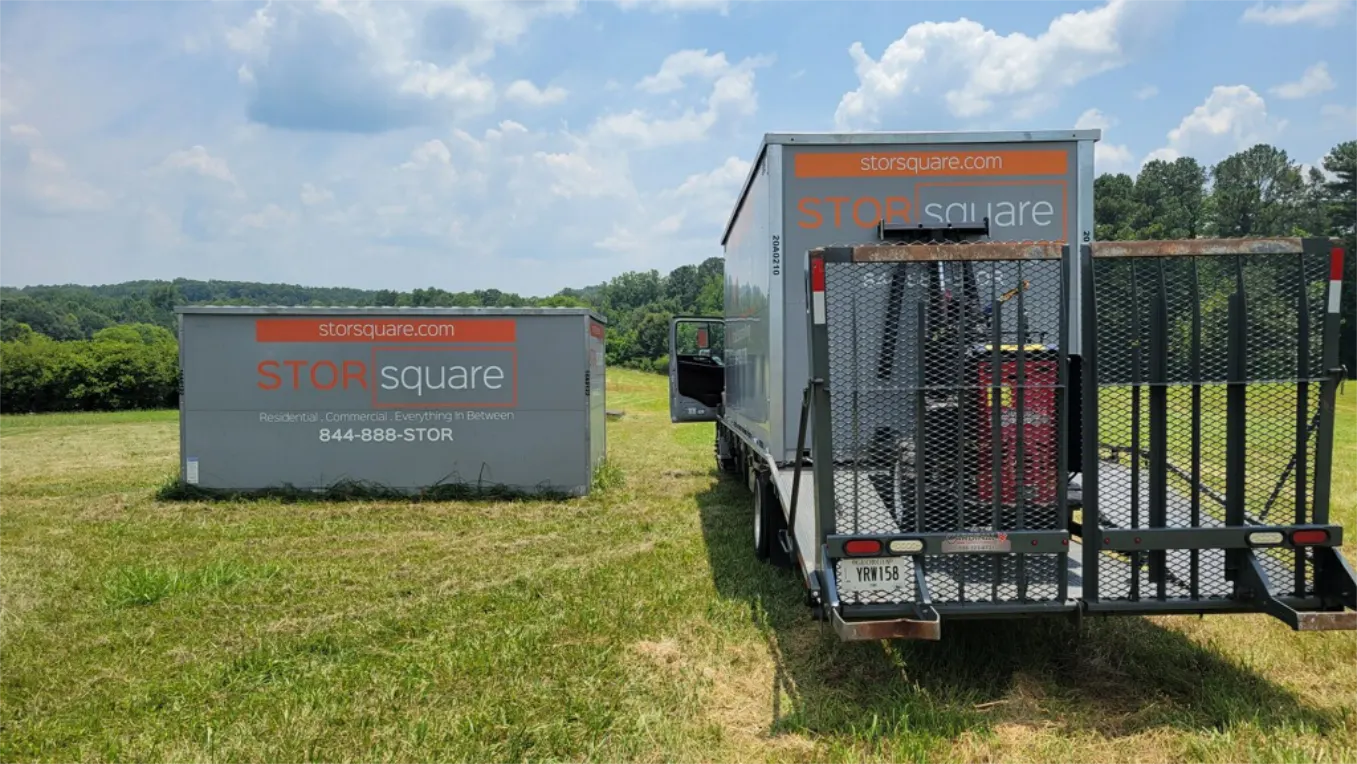
Companies such as STORsquare offer portable storage containers that can be delivered to a home or business, with options for storage and moving. When a retailer needs a practical solution without overcomplicating the process, this type of service can be worth exploring.
Need extra retail storage space without sending inventory off-site?
STORsquare can help you choose a portable storage container for overflow inventory, seasonal stock, remodeling, or a local store move.
What to Store On-Site and What to Keep Inside
Not every item belongs in the same place. To make on-site storage work well, retailers should decide which inventory stays in the main stockroom and which items move into the container.
Fast-moving products should usually stay inside the store. These are items employees need to replenish often throughout the day. Customer service supplies, register materials, and daily operational tools should also remain close at hand.
Meanwhile, slower-moving overflow items can often move to on-site storage. This might include extra seasonal stock, upcoming promotional products, display materials, backstock for larger items, and fixtures not currently in use. Packaging supplies and event materials can often be stored outside the main retail area too.
This separation creates a cleaner workflow. Employees can focus on the products that matter most during daily sales while still having access to overflow inventory when needed. The store feels less crowded, and the back room becomes easier to manage.
Safety and Access Considerations
Retailers should treat on-site storage as part of their larger operations plan. That means safety, access, and accountability matter. Boxes should be stacked securely, heavy items should be placed low, and walkways should remain clear. Employees should also know where items are stored and how to access them safely.
Access control is also important. Managers should decide who can open the container, who tracks inventory movement, and how often the unit should be checked. This helps prevent confusion and reduces the risk of misplaced products.
Weather is another consideration. Retailers should use appropriate packaging for items that need extra protection. Although many portable storage units are designed for outdoor use, inventory should still be packed carefully. For example, products in cardboard packaging may benefit from plastic bins, pallets, or shelving to improve organization and protection.
In addition, retailers should confirm insurance coverage. Inventory stored outside the main building may need to be documented. Business owners should check with their insurance provider and follow any required security steps.
How On-Site Storage Can Improve the Customer Experience
Customers may never see your storage system, but they can feel its effects. When inventory overflow is handled well, the sales floor looks cleaner, employees move faster, and products are easier to restock. Customers are less likely to encounter empty shelves, blocked aisles, or cluttered displays.
A cleaner back-of-house operation also supports better service. If employees can quickly locate products, they can answer customer questions with more confidence. They can also restock popular items sooner, which may help prevent lost sales.
Retail is often about small moments. A customer asks for another size. A display needs to be refreshed. A product sells faster than expected. When the extra inventory is nearby and organized, the team can respond more easily.
That is why on-site storage solutions for retail are not just about storing boxes. They are about keeping the store ready, flexible, and easier to operate.
Keep overflow inventory close and your sales floor clear.
Portable storage can give your team convenient access to extra stock while helping your retail space stay organized during busy periods.
Cost Considerations for Retail Storage
Cost is always part of the decision, but the cheapest option is not always the most efficient. Retailers should compare storage costs against labor time, lost sales, delivery delays, clutter, and operational disruption.
For example, a traditional self storage unit may seem affordable. Yet, if employees spend hours each week driving back and forth, the real cost increases. Similarly, overcrowding the stockroom may appear free, but it can slow down restocking, create safety concerns, and make inventory harder to track.
On-site storage can help reduce some of those hidden costs. Since the storage is nearby, employees may spend less time traveling and more time supporting the store. Additionally, flexible rentals can help retailers avoid taking on unnecessary long-term space.
Before deciding, retailers should estimate how often inventory will be accessed, how much labor off-site storage would require, and how long the overflow issue will last. Then, they can choose the option that best fits the business need.
Streamlining Retail Inventory With Mobile Storage
Mobile storage works best when it supports a clear process. Retailers should connect the storage plan to receiving, restocking, returns, and seasonal resets.
For incoming shipments, the container can serve as a temporary receiving overflow area. Products can be sorted before moving into the store. For seasonal resets, items can be staged in the order they will be displayed. For returns, the container can hold items awaiting inspection or vendor pickup, as long as the products are suitable for that environment.
This kind of structure helps the storage unit become part of the workflow rather than a dumping ground. It also gives managers better visibility into what is stored, what is needed, and what should be moved next.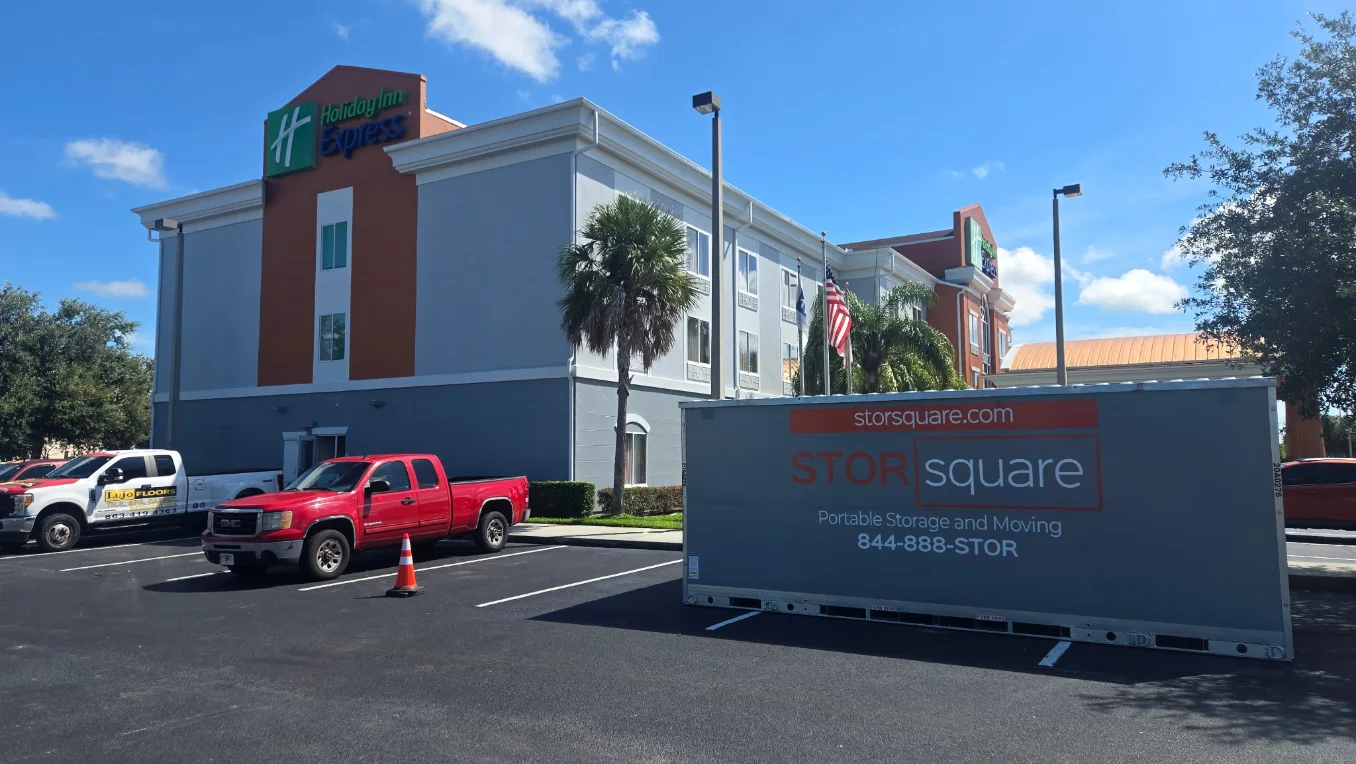
Why Flexibility Matters in Retail Storage
Retail businesses need room to adapt. Inventory levels rise and fall. Promotions change. Vendors adjust delivery schedules. A renovation may run longer than expected. A local move may require extra time. Because of this, rigid storage plans often create frustration.
Flexible on-site storage solutions for retail help businesses respond without making permanent commitments too quickly. A store can use portable storage units during busy periods and scale back when the need passes. Likewise, a retailer can use storage container rentals for remodeling, expansion, moving, or seasonal overflow without changing the entire operation.
This flexibility is especially helpful for small and mid-sized retailers. Many do not have unlimited back-room space or a dedicated warehouse. Even so, they still need to compete with larger businesses that can carry deeper inventory.
On-site storage can help close that gap by giving stores more room when it matters most.
Getting Started With On-Site Storage
The best time to plan for overflow is before the stockroom becomes unmanageable. Start by reviewing your upcoming calendar. Look at seasonal deliveries, promotions, store resets, remodeling plans, local move timelines, and vendor schedules. Then, identify the weeks or months when storage pressure is likely to increase.
Next, estimate what needs to move out of the main store area. Focus on items that are important but not needed every hour. After that, decide where a portable storage unit could be placed safely and conveniently.
Once you have a rough plan, it becomes easier to request the right size and rental setup. STORsquare, for example, offers a simple quote form for people who need storage, moving, or both. For retailers dealing with overflow, that can be a practical next step when extra space is needed at the business location.
Ready to make room for your next shipment, remodel, or busy season?
Tell STORsquare what you need to store, where you need the container, and how long you expect to use it. The team can help you find a practical setup for your retail location.
Keep Retail Inventory Organized and Accessible
Inventory overflow is a normal part of retail, especially during busy seasons, promotions, remodeling projects, and store moves. Still, it should not take over your sales floor, slow your team down, or make your back room harder to manage.
On-site storage solutions for retail give businesses a practical way to create extra room while keeping important products within reach. They are especially useful for seasonal stock, remodeling projects, local moves, overflow merchandise, and temporary retail expansion.
The real value is control. Instead of reacting once the stockroom is already crowded, retailers can plan ahead, separate overflow items from daily inventory, and keep the store easier to run. With the right placement and a simple organization system, extra inventory can stay close without getting in the way.
When your store needs more room, on-site storage can help your retail space stay focused on what it was built for: serving customers and selling products.