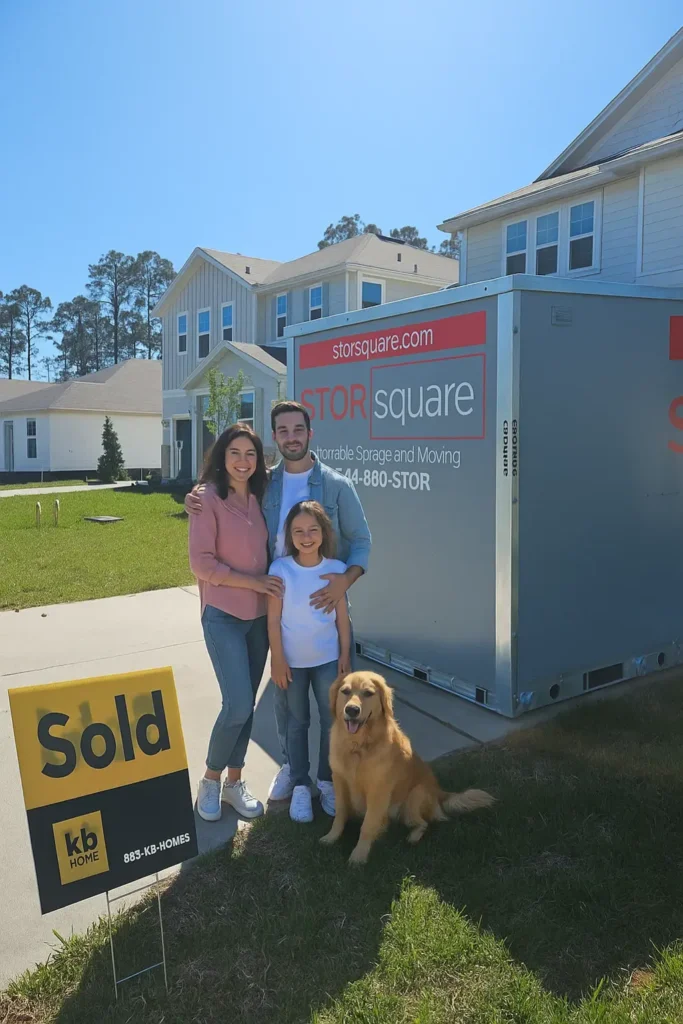
Moving out of Georgia can be exciting, but the logistics often become complicated before the trip even begins. Your current home may sell before the new one is ready. A job may require you to relocate quickly. You may also need time to sort through years of furniture, boxes, garage equipment, and household items without packing everything in a single weekend.
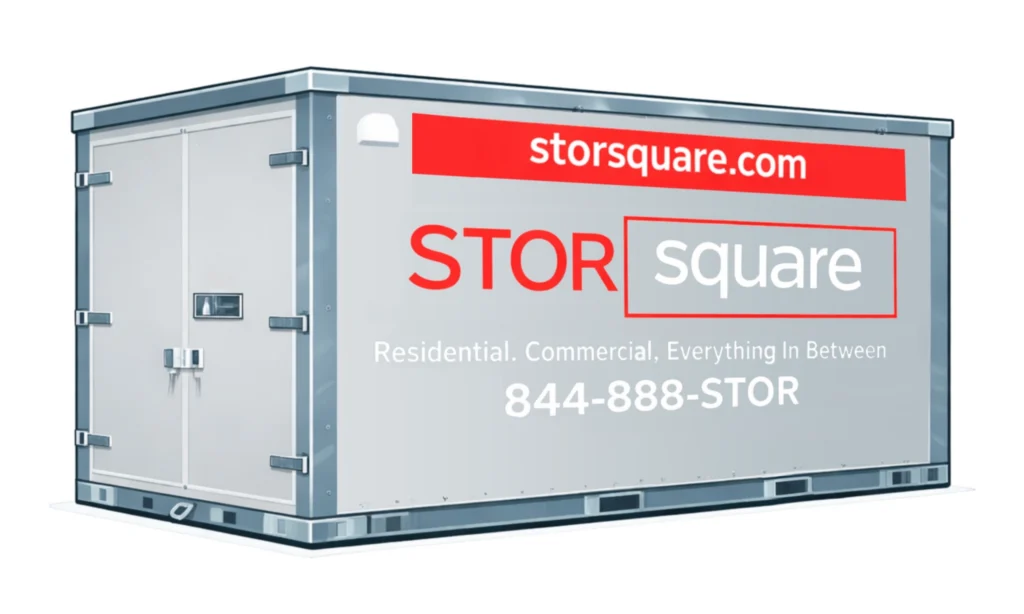
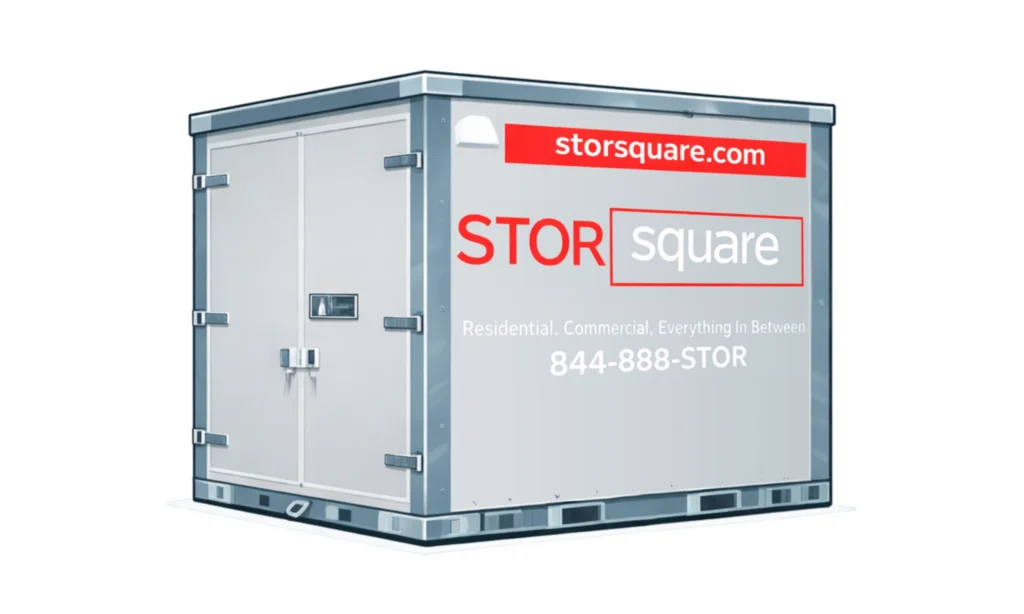
Portable storage gives you another way to manage the process. Rather than renting a truck, loading it in one day, and driving it across state lines, you can have a container delivered to your property and pack it over time. Once it is ready, STORsquare picks it up and transports it on an available long-distance route. Storage may also be added when there is a gap between homes.
That flexibility is one reason people consider portable containers for long distance moving from Georgia. The process can be especially helpful when closing dates change, renovations are still underway, or temporary housing is part of the plan.
Service availability depends on the origin and destination ZIP codes, container availability, and property access. Confirm those details with STORsquare before making final moving arrangements.
Planning a move out of Georgia?
Share your origin, destination, and expected timeline to find out whether STORsquare can support your long-distance route.
Check Your Moving RouteHow Long Distance Moving From Georgia Works
A portable container move separates packing, transportation, storage, and unloading into distinct stages. That makes it easier to build the move around your household rather than forcing every task into one high-pressure day.
1. Share your route and expected timeline
Start with your current Georgia address, destination ZIP code, preferred dates, and an estimate of how much you plan to move. Mention any uncertainty as well. For example, your closing date may still be tentative, or your new home may not be ready when you leave Georgia.
These details help determine whether the route is available and how storage might fit into the plan. They also give STORsquare a clearer picture of your container needs, delivery conditions, and pickup timing.
It helps to think beyond the travel date. Consider when you can begin packing, how long you may need the container at your home, and whether you expect to unload immediately after delivery. The Federal Motor Carrier Safety Administration’s interstate moving checklist can also help you organize tasks before departure, on moving day, and after arrival.
2. Choose a container size
STORsquare offers 8-foot, 12-foot, 16-foot, and 20-foot containers. The right size depends on more than the number of bedrooms in your home. A lightly furnished three-bedroom property may contain less than a two-bedroom home with a full garage, patio furniture, tools, and years of stored belongings.
Before requesting a recommendation, make a rough inventory of the larger items you plan to bring. Include sofas, beds, tables, appliances, bicycles, outdoor equipment, shelving, and bulky storage bins. You do not need to count every box, but a realistic overview will make the size estimate more useful.
This is also a good time to decide what should not make the trip. Moving unwanted furniture hundreds of miles only to donate or discard it after arrival adds work and takes up valuable container space.
3. Prepare the delivery area
Once the route and container size are confirmed, choose an appropriate placement area at your Georgia property. A level, accessible driveway is often the simplest option, but every property is different.
Look for low branches, narrow entrances, gates, soft ground, steep slopes, utility access, and limited turning space. The container should not block sidewalks, shared driveways, parked vehicles, or areas that neighbors need to use.
Local rules matter too. Homeowners associations, apartment communities, municipalities, and property managers may limit where a portable container can sit or how long it can remain on-site. Checking those rules before delivery can prevent delays or last-minute placement changes.
4. Pack in manageable stages
Once the container arrives, you can spread the work across the rental period instead of trying to load an entire household in one day. Start with items you use less often, such as books, seasonal decorations, guest-room furniture, and stored clothing. Save daily essentials for the final stage.
Packing this way makes it easier to stay organized. You can label boxes carefully, protect furniture properly, and decide what to keep as you go. It also allows you to work around jobs, school schedules, and family responsibilities.
Good loading technique still matters. Place heavier items near the bottom, distribute weight throughout the container, and secure furniture and boxes to reduce movement. Fill empty spaces where practical, but do not force fragile items into gaps where they may be damaged.
5. Schedule pickup and transportation
After the container is loaded, STORsquare picks it up and arranges transportation on a supported route. You can then travel in your own vehicle or make other arrangements for your household.
Avoiding a long rental-truck drive can remove a major source of stress. Driving a large vehicle for hundreds of miles is tiring, especially through heavy traffic, unfamiliar roads, or changing weather. It can also complicate travel when children, pets, or multiple vehicles are involved.
With a portable container, you still control the packing and loading, while STORsquare handles the loaded container’s transportation.
6. Store or deliver the container
If your new home is ready, delivery can be scheduled based on the agreed moving plan. If it is not ready, storage may be available until you are prepared to receive the container.
This can be useful when a home sale closes before the purchase of the next property, when a new construction date changes, or when repairs are still in progress. Instead of unloading into a separate self-storage unit and moving everything again later, your belongings may be able to remain in the same container.
Storage options and access vary by location, so ask how stored containers are handled and how much notice is needed before delivery.
7. Unload and arrange pickup
After the container reaches the destination, you unload it during the rental period. You do not have to empty the entire household the moment it arrives, although you should confirm the rental term and final pickup process in advance.
Once the container is empty, STORsquare returns to collect it.
Portable Containers Compared With Other Moving Options
No moving method works equally well for every household. Your choice may depend on budget, timing, physical ability, driving comfort, and the amount of help you need.
| Moving consideration | Portable storage container | Rental moving truck | Traditional moving company |
|---|---|---|---|
| Packing schedule | Packing can usually be spread across the container rental period. | Packing and unloading must fit within the truck rental terms. | Timing depends on crew availability and the selected service. |
| Long-distance driving | STORsquare transports the container on supported routes. | The customer typically drives the truck. | The moving company transports the shipment. |
| Loading and unloading | The customer handles the work or hires labor independently. | The customer handles the work or hires help. | Labor may be included, depending on the service selected. |
| Storage during delays | Storage may be added when available. | Storage may require a separate or affiliated service. | Storage-in-transit may be available. |
| Handling of belongings | Items can remain in the same container through transport and storage. | Items generally remain in the truck until unloading. | Handling depends on the mover’s service model. |
| Best suited for | Staged moves, flexible packing, and possible storage needs. | Firm schedules and customers comfortable driving a large truck. | Customers who want more professional labor. |
A rental truck may be practical for a smaller move with fixed dates. A full-service mover may be better for someone who cannot manage the lifting or packing. Portable storage sits between those options. You remain involved in preparing the shipment, but you do not have to drive the loaded vehicle yourself.
Why Portable Storage Can Make Timing Easier
The hardest part of an interstate move is often the gap between leaving one home and entering the next. A closing date can shift with little notice, and a new apartment or house may not be available when expected.
Imagine that your Georgia home closes on the 10th, but you cannot enter the new property until the 20th. With a rental truck, you may need to unload into storage, return the vehicle, rent another one later, and move everything a second time.
A portable container may reduce that extra handling. When the route and storage arrangements are available, the loaded container can remain stored until delivery is possible. Your furniture and boxes stay together instead of moving through several temporary locations.
The same approach can help before the move. Homeowners preparing to list a property may use the container to remove excess furniture and personal items for staging. Families can also pack gradually, keeping everyday belongings available until the final days.
The main benefit is not simply having more time. It is having more control over when each part of the move happens.
Moving From Georgia to Florida
A move from Georgia to Florida may cover a relatively direct route, but that does not mean the schedule will be simple. Different closing dates, apartment rules, condominium restrictions, and reserved parking requirements can all affect delivery.
Before the container arrives, confirm that the destination has enough room for placement. Gated communities and managed buildings may require advance approval. Some may also ask for reserved parking or documentation before allowing a container on the property.
Florida weather deserves attention as well. Rain and humidity can affect items while you are packing and unloading. Furniture, mattresses, electronics, and boxed belongings should be dry before they go into the container. Recently cleaned rugs, damp fabrics, and wet outdoor items should be allowed to dry completely.
Moving From Georgia to Tennessee
The distance and delivery conditions for a Georgia-to-Tennessee move depend on the exact addresses. A move from a North Georgia community to Chattanooga may involve fewer miles than a move from Savannah to Nashville, but both require interstate transportation planning.
Property access can vary widely. A suburban driveway may be simple to reach, while a hillside property, cabin, or rural home may have narrow roads, gates, low branches, or limited turning space.
Share those details before booking. Photos may help STORsquare review the location, but they do not guarantee that container placement will be possible. You should also check any neighborhood or local restrictions that apply at the destination.
Moving From Georgia to North Carolina
A move from Georgia to North Carolina may end at a city apartment, suburban home, smaller community, or mountain property. Each setting brings different access considerations.
A level driveway with clear street access is generally easier to serve than a property with steep grades, limited parking, narrow roads, or low overhead clearance. Apartment buildings and managed communities may also limit container placement or require advance permission.
Provide the exact address and access details early, then check with the property owner or building manager about parking and placement rules. Handling those questions before transportation is scheduled can prevent avoidable changes later.
Portable storage may also be useful when the new home is undergoing repairs. Keeping furniture in the container for a limited period can leave contractors more room to replace flooring, paint walls, or complete other work.
Moving From Georgia to Texas
Some Georgia-to-Texas moves involve considerably more mileage than routes to neighboring states. That makes early planning especially important.
Begin by confirming that both ZIP codes are included in STORsquare’s service area. From there, create an honest inventory and remove items that are not worth transporting. Garages, storage rooms, closets, and outdoor areas often contain belongings that have not been used in years.
Keep essential items with you rather than placing them in the container. Important documents, medications, chargers, work equipment, pet supplies, valuables, and several days of clothing should travel separately. That way, you will still have what you need if your travel plans or delivery schedule change.
It is also worth asking how communication works during the move. Know when pickup will be scheduled, how delivery is arranged, and what options are available if the new property is not ready.
Need a moving plan built around your route?
Get a personalized quote based on your Georgia pickup address, destination, container size, timing, and storage needs.
Request a Long-Distance QuoteUsing Storage During the Transition
Temporary storage can solve more than a closing-date problem. You may need to stay in an apartment while searching for a permanent home, relocate for work before your family follows, or keep furniture out of the way during renovations.
In those situations, moving every item into temporary housing creates extra work. A furnished apartment may not have room for dining furniture, garage equipment, seasonal items, or boxes that you will not need for several months. Keeping those belongings stored can make the temporary space easier to live in.
Pack the container with access in mind. Documents, prescriptions, work supplies, valuables, and daily necessities should remain with you. Furniture, books, décor, seasonal clothing, and other nonessential items are generally better candidates for storage.
Mail also needs a plan. When you have a valid temporary or permanent forwarding address, review the USPS change-of-address and mail-forwarding options before leaving Georgia. If you do not yet have an address where you can receive mail, look into alternatives such as holding eligible mail, opening a PO Box, or using an approved temporary address.
How to Prepare Belongings for Interstate Transportation
Careful packing helps protect your belongings and makes better use of the container.
Use sturdy boxes that are not too large to lift safely. Smaller boxes work well for books, dishes, and tools, while larger boxes are better for lightweight items such as bedding, pillows, and lampshades.
Disassemble furniture when practical. Removing table legs, shelves, bed frames, and other detachable parts can save space and make pieces easier to secure. Put screws and small hardware in labeled bags, then attach each bag to the matching item.
Furniture pads and moving blankets can protect wood surfaces and upholstery. Mirrors, televisions, framed art, and other delicate items need additional support rather than a loose layer of plastic wrap.
Build a stable load as you work. Place heavy items near the bottom, distribute weight across the container, and secure sections before they become difficult to reach. Waiting until the container is full can make it harder to prevent shifting.
Certain materials should be set aside rather than packed. Paint, pesticides, automotive fluids, some strong household cleaners, and other hazardous products may be restricted. Battery recycling and disposal also depend on battery type, so alkaline, rechargeable, lithium, and automotive batteries should not be treated as one category. Review STORsquare’s prohibited-item rules and use local or EPA household hazardous waste guidance when you are unsure how to handle an item.
Before closing the container, take photos or create a simple inventory. You do not need a detailed spreadsheet. A few labeled photos can help you remember what was loaded and where important items were placed.
Questions to Ask Before Booking
A useful moving quote should explain more than the starting price. Before booking, ask what is included and how changes will be handled.
Important pricing factors may include:
- Container size and quantity
- Transportation distance
- Rental duration
- Temporary storage
- Delivery and pickup
- Extensions or date changes
Use those points to guide a conversation rather than treating them as a checklist. Ask what happens if your closing date moves after pickup, how much notice is needed for delivery, and whether storage access is available while the container is at a facility.
You should also confirm responsibility for packing and loading. STORsquare does not provide that labor, so customers handle the work themselves or independently hire a moving-labor company. Any outside labor service is separate from STORsquare and should be researched, booked, and managed directly.
Container construction is another reasonable topic. STORsquare describes its containers as all-steel and weather-resistant, but careful packing is still necessary. Weather resistance does not replace furniture protection, secure loading, or proper handling of moisture-sensitive items.
Finally, describe both properties accurately. Mention steep driveways, narrow streets, gates, parking restrictions, low branches, soft ground, and limited turning room. A complete picture makes it easier to determine whether the planned placement is practical.
Is Portable Storage Right for Your Move?
Portable storage can work well when you want to pack gradually, avoid driving a large truck, or keep belongings stored between homes. It gives you more control over the packing process without requiring you to manage interstate transportation yourself.
It may not be the best choice for every move. Someone who needs a crew to pack and carry every item may prefer a full-service mover. A person relocating with only a few boxes may find shipping services more practical.
Think about which part of the move is likely to cause the most stress. If it is the long drive, container transportation may help. If the problem is a gap between homes, storage may be the deciding factor. If you simply need more time to pack, having the container at home can make the workload feel more manageable.
Compare the full cost of each option, not only the first quoted number. A rental truck may also involve fuel, mileage, tolls, insurance, equipment, lodging, and separate storage. A traditional mover may include labor but charge for additional services or storage. The best choice is the one that fits your actual timeline, workload, and budget.
Make Your Move Out of Georgia More Manageable
Long-distance moving involves more than transporting boxes. You need to coordinate packing, property access, storage, travel, delivery, and the realities of two different homes.
Portable storage can make those steps easier to separate. STORsquare delivers a container to an eligible property, gives you time to load it, transports it on a supported route, and may provide storage when the destination is not ready.
Whether you are moving from Georgia to Florida, Tennessee, North Carolina, or Texas, start by confirming your ZIP codes, container needs, property conditions, and expected timeline. Once those details are clear, you can build a moving plan that fits your household instead of trying to force everything into one day.
Ready to start planning your move?
Talk with STORsquare about container sizes, route availability, temporary storage, and the timing of your move from Georgia.
Start Your Moving QuoteHow does long distance moving from Georgia with STORsquare work?
STORsquare delivers a portable storage container to your Georgia property, giving you time to pack and load your belongings. Once the container is ready, STORsquare picks it up and transports it on a supported long-distance route. If your new home is not ready, temporary storage may also be available before final delivery.
How much does long distance moving from Georgia cost?
The cost of long distance moving from Georgia depends on several factors, including the origin and destination ZIP codes, container size, transportation distance, rental period, and whether temporary storage is needed. Because every move is different, the most accurate way to estimate the price is to request a customized quote from STORsquare.
Can STORsquare move a container from Georgia to another state?
STORsquare provides long-distance portable container moving on supported routes from Georgia to other states. Availability depends on the pickup location, destination ZIP code, container availability, and property access. Customers should confirm their exact route with STORsquare before making final moving plans.
Can I store my belongings between moving out and moving in?
Yes, temporary storage may be available when there is a gap between homes. This can be useful if your Georgia home closes before your new property is ready, you are staying in temporary housing, or renovations are still underway. Your belongings may be able to remain inside the same container until delivery is scheduled.
What size container do I need for a move from Georgia?
The right container size depends on the amount and type of belongings you plan to move. STORsquare offers several container sizes, including 8-foot, 12-foot, 16-foot, and 20-foot options. Before requesting a recommendation, make a rough inventory of your furniture, appliances, boxes, garage items, and outdoor equipment.
How do I get a quote from STORsquare?
You can request a quote by providing your Georgia pickup address, destination ZIP code, estimated moving dates, container needs, and any temporary storage requirements. Sharing accurate information about both properties will help STORsquare prepare a more relevant moving estimate.