
Planning a long distance move feels straightforward at first. You get a quote from a moving company, choose your dates, and start packing. On paper, it looks manageable.
That’s usually when the unexpected costs begin to surface.
Fuel surcharges appear on your final bill. The truck needs to be extended for an extra day. You end up paying for a hotel because the closing date changed. Your belongings sit in storage longer than expected. Suddenly, your carefully planned budget has stretched far beyond what you anticipated.
Long distance moves almost always cost more than people expect, and not because they planned poorly. It’s usually because of hidden costs that weren’t obvious at the start.
In this guide, we’ll break down those hidden expenses and show you practical ways to avoid them. You’ll also see how flexible options like portable self storage and moving containers can help streamline the entire process. When planned correctly, mobile storage reduces moving costs by cutting out double handling, extra truck time, and unnecessary stress.
Why Long Distance Moves Go Over Budget
A local move usually involves a short drive and a few hours of labor. A long distance relocation is different in almost every way. It stretches across state lines, depends on fuel prices, involves delivery windows instead of exact dates, and often overlaps with closing schedules or lease agreements that don’t line up perfectly.
When more variables enter the picture, more expenses quietly follow. Even a detailed quote can miss secondary costs that only show up once the move is underway. Fuel adjustments after booking, limited access to your new home, temporary housing, unexpected storage time, or last-minute packing help can all add up quickly. None of these are unusual. In fact, they’re common.
Understanding where these costs come from makes it easier to avoid them instead of reacting to them after the fact.
Fuel Surcharges: The Cost You Can’t Predict
Fuel is one of the biggest variables in long distance moving. Most moving companies base quotes on current fuel averages. But if fuel prices increase before your moving date, many contracts allow for a surcharge adjustment.
This is especially common for cross-country or multi-state moves.
You might book your move months in advance to secure a good rate. Then, weeks before the move, you receive notice of a fuel adjustment fee. It’s permitted under most contracts and typically outlined in the agreement details.
How to Avoid Fuel Shock
You can’t control fuel prices, but you can reduce exposure to fluctuating transport costs.
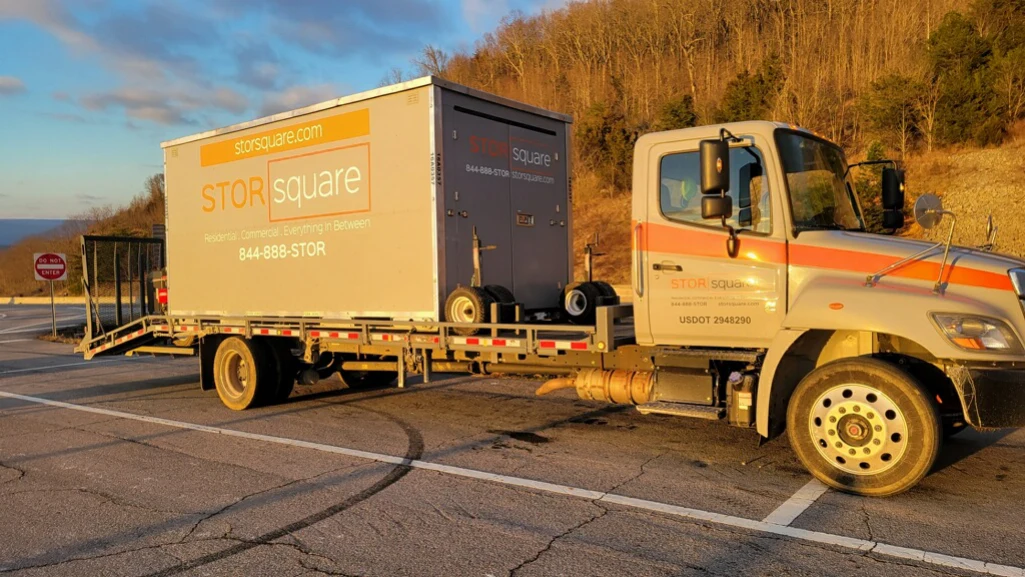
One strategy is to reduce reliance on dedicated long-haul trucks. Instead of paying for a full-service moving truck that drives your items directly across the country on a fixed timeline, many homeowners choose flexible options like storage container rentals. With this approach, your belongings are loaded once, secured, and transported as part of a coordinated route. When mobile storage reduces moving costs, it often does so by minimizing fuel-heavy, rush-based logistics and last-minute rescheduling.
Storage Fees You Didn’t Plan For
Real estate timelines rarely align perfectly. Your new home might not be ready. A buyer may need extra time. You might start a new job before your family relocates. These situations are normal, but they create a transition period that many moving quotes don’t fully address.
When belongings can’t be delivered immediately, traditional movers typically unload them into a warehouse. From there, daily storage fees begin accumulating. What many people don’t realize is that you’re often paying not just for storage, but also for additional labor. Your items are unloaded into storage, then reloaded later for final delivery. That double handling increases both cost and risk.
Flexible storage options approach this differently. Your belongings stay inside the same secured container from the moment they’re loaded until they reach your new home. Because there’s no warehouse transfer in between, you avoid extra labor charges and reduce the chance of damage. This is one of the practical ways mobile storage reduces moving costs without cutting corners on safety.
Want to avoid paying for double handling and surprise storage fees?
Our long-distance mobile storage solutions keep your belongings in one secure container from pickup to delivery — reducing extra labor charges and timeline stress.
Hotel Stays and Delivery Windows
Long distance moves rarely operate on exact delivery times. Instead, many companies provide a delivery window that may span several days. If your arrival doesn’t line up with that window, you may find yourself booking hotel rooms while waiting for your belongings to arrive.
Two or three unexpected nights in a hotel might not sound dramatic at first, but for families, the total climbs quickly. Add meals, parking, and time off work, and the cost becomes noticeable.
Container delivery that works around your schedule helps you avoid unnecessary waiting and added lodging expenses. Instead of racing to match your travel schedule to a truck’s route, your container can arrive when you’re ready for it, giving you breathing room and greater control over your arrival timeline.
Temporary Housing Costs
Sometimes the transition lasts longer than planned. New construction may be delayed. Renovations can extend past their expected timeline. Employment start dates shift. When housing and moving schedules don’t align, families often turn to short-term rentals or extended-stay hotels.
What makes this expensive isn’t just the temporary housing itself. The real strain comes from covering both housing and storage at the same time, which can stretch even a well-planned relocation budget thinner than expected.
Using a mobile storage solution creates breathing room. Instead of forcing delivery into an unfinished space or rushing into an expensive short-term lease, you can secure your belongings until permanent housing is ready. Keeping housing and delivery on separate tracks allows you to make decisions thoughtfully instead of under financial pressure.

Rushed Packing and Labor Overtime
Packing always seems manageable until the final week. Work schedules, school responsibilities, and closing details take priority. Suddenly, time runs out.
At that point, many families hire emergency packing crews or extend moving truck time beyond the original estimate. Both options solve the immediate problem but increase the final bill.
When a storage container is delivered in advance, you can load gradually. You can declutter thoughtfully, pack properly, and avoid the pressure of an hourly crew waiting in your driveway. With more control over timing, you’re far less likely to pay for overtime labor or rushed loading.
Last-Minute Truck Extensions
It’s more common than you think. A moving truck is scheduled for loading between 8 a.m. and noon. The crew arrives late. The home takes longer to empty than estimated. Access to the new property is delayed.
In some cases, the truck must be held overnight or extended for an additional day, and those extra hours can add significant fees to your final bill.
If the driver’s schedule is tight, you may also face redelivery charges or rescheduling penalties.
Avoiding Extension Fees
With self storage containers for rent, your schedule becomes more flexible. You’re not trying to load everything into a truck in a single compressed window.
Your belongings remain in the container. Transportation can be coordinated without the pressure of a crew waiting on-site.
For long distance moving, this flexibility often prevents the snowball effect of hourly labor overruns and truck extension charges.
A Clear Breakdown of Hidden Moving Costs
Below is a simplified overview of where unexpected expenses typically appear and how flexible storage options help mitigate them.
Double Handling: The Cost Multiplier
One of the least discussed cost drivers in long distance moving is how many times your belongings are physically handled. In a traditional model, items may be loaded onto a truck, unloaded into a warehouse, stored temporarily, reloaded onto another truck, and then delivered.
Each transfer adds labor hours and increases the risk of damage. It also increases the likelihood of scheduling conflicts that lead to additional fees.
A single-container approach simplifies that chain. Your items are loaded once and remain secured inside the same unit until delivery. Fewer transfers mean fewer opportunities for cost escalation. This is where the financial advantage becomes clear. Mobile storage reduces moving costs not through discounts, but by removing unnecessary steps in the process.

Planning a long-distance move?
See how mobile storage reduces moving costs by eliminating warehouse transfers and unnecessary truck extensions.
Remodeling and Relocation Overlap
Many long distance moves involve remodeling at the destination. Maybe you purchased a home that needs updates before move-in, or you’re coordinating improvements while relocating. Managing both projects at once adds another layer of coordination to an already complex schedule.
Instead of forcing your belongings into an unfinished home, mobile storage allows you to:
- Store securely offsite
- Move in stages
- Avoid clutter during remodeling
This applies whether you’re planning a long distance move or even a large local move tied to renovation. The flexibility keeps your items protected and your project organized.
Why Flexibility Matters More Than Discounts
When people compare moving quotes, they often focus only on the base price. That number matters, but it rarely reflects the total cost once variables enter the picture.
The structure of your moving plan often determines the final bill more than the initial quote does. When your moving plan allows for timing adjustments without triggering new labor fees or storage transfers, you avoid the cascade of small charges that quietly inflate expenses.
That’s why many families exploring long distance services now look for solutions that combine transportation and storage into one coordinated system. The goal isn’t simply to move belongings from point A to point B. It’s to reduce friction along the way.
Choosing a Long Distance Service That Protects Your Budget
Not all moving solutions are equal, and comparing providers carefully can prevent costly surprises later. As you review your options, use the following criteria as a practical checklist rather than focusing only on the base quote:
- Transparent pricing
- Flexible delivery windows
- Options for storage without warehouse transfers
- Clear communication about fuel adjustments
- Scalable solutions if timelines shift
Taking a few minutes to evaluate these details upfront can save far more time and money once the move is underway.
Some platforms specialize in connecting customers with flexible moving and storage solutions designed specifically for long distance relocations. For example, services like STORsquare offer coordinated mobile storage options that reduce unnecessary transfers and give customers more control over timing.
The key is not to rush your decision. The lowest initial quote is rarely the lowest final cost.
Plan for the Gaps, Not Just the Move
Most long distance moving stress comes from gaps.
The gap between closing dates.
The gap between arrival and delivery.
The gap between remodeling and occupancy.
If you plan for those gaps in advance, you eliminate most surprise expenses.
Portable storage builds in a cushion between moving dates and occupancy timelines.
Having extra time built in gives you financial margin instead of forcing quick, expensive decisions.
Ready to Move Without the Hidden Costs?
Long distance relocation doesn’t have to spiral financially. With the right structure, it can be predictable and manageable.
If you’re planning a cross-state or cross-country move, take time to evaluate options that eliminate double handling, reduce schedule pressure, and offer true flexibility.
When mobile storage reduces moving costs, it does so by simplifying the entire process from start to finish.
Ready to move without the hidden costs?
Get a personalized long-distance moving quote and see how a flexible mobile storage plan can protect your budget from fuel surcharges, storage transfers, and last-minute fees.
Start planning smarter now.
Your future self will thank you.