
Relocating for a new job can feel like a big step forward and a logistical puzzle at the same time. There’s excitement about the opportunity, but also a long list of decisions to make quickly. One of the most important factors in how smooth your transition will be is your relocation package.
A well-structured package can save you thousands of dollars. A poorly understood one can leave you covering unexpected costs out of pocket. The difference often comes down to how well you understand your options and use them strategically.
This guide breaks down the essentials of relocation packages, including lump-sum vs. reimbursement structures, tax implications, and practical budgeting strategies. It also explains how choosing the right moving container for work relocation can stretch your budget further without sacrificing convenience.
Understanding Relocation Packages: What You’re Really Getting
Relocation packages are designed to offset the costs of moving for work, but they vary widely depending on the company, role, and distance involved.
The two most common structures are lump-sum relocation packages and reimbursement-based relocation packages.
Some employers offer hybrid options, but understanding these two core structures will help you evaluate your situation clearly.

Lump-Sum Relocation Packages: Flexibility With Responsibility
A lump-sum relocation package provides a fixed amount of money upfront. Once you receive it, you decide how to spend it.
One reason this approach works well is its simplicity. There’s no need to submit receipts or wait for approval. You can allocate funds where they matter most to you.
Advantages of Lump-Sum Packages
The biggest benefit is flexibility. You can prioritize what matters most, whether that’s a faster move, better housing, or temporary storage.
You also have the opportunity to save money. If you manage your move efficiently, any unused portion of the lump sum is yours to keep.
For example, choosing a moving container for work relocation instead of a full-service moving company can significantly reduce costs while still offering convenience.
Challenges to Watch For
The downside is that all risk falls on you. If expenses exceed the lump sum, you’re responsible for the difference.
It also requires careful planning. Without a clear budget, it’s easy to overspend early and come up short later in the process.
Reimbursement Packages: Structure and Security
Reimbursement packages work differently. Instead of receiving money upfront, you pay for relocation expenses and submit receipts to your employer for reimbursement.
These packages often come with strict guidelines about what qualifies as an approved expense.
Advantages of Reimbursement Packages
It reduces financial risk by keeping expenses within approved limits. As long as your expenses are approved, you’re less likely to pay out of pocket.
It also simplifies decision-making. You follow company-approved vendors or guidelines, which can streamline the process.
Potential Downsides
The biggest drawback is limited flexibility. You may be required to use specific services or stay within strict spending categories.
There’s also a timing issue. You often need to cover costs upfront before being reimbursed, which can strain cash flow during the move.
Lump-Sum vs. Reimbursement: A Side-by-Side Comparison
To better understand which option works best for you, here’s a direct comparison:
| Feature | Lump-Sum Package | Reimbursement Package |
|---|---|---|
| Payment Timing | Upfront | After expenses |
| Flexibility | High | Limited |
| Financial Risk | On employee | On employer (within limits) |
| Documentation | Minimal | Required |
| Cost-Saving Potential | High | Moderate |
| Vendor Choice | Open choice | Restricted vendors |
For many professionals, the lump-sum option offers more opportunities to save, especially when using cost-effective solutions like portable storage units.
Tax Considerations: The Often Overlooked Factor
One of the most misunderstood aspects of relocation packages is taxation.
In many cases, relocation benefits are considered taxable income under current federal tax rules, with limited exceptions. This applies to both lump-sum payments and reimbursements, depending on local regulations and company policies.
What This Means for You
If your employer offers a $10,000 relocation package, you may not actually receive the full amount after taxes. A portion could be withheld or owed when you file your return.
Some companies provide a “gross-up” to cover taxes, but not all do. It’s important to clarify this early.
Practical Tip
Before accepting your offer, it’s worth asking whether the relocation package is taxable, whether the company will gross up the payment, and how reimbursements will be reported.
Understanding this upfront helps you avoid surprises and plan your budget more accurately.
Budgeting for a Long-Distance Move
A realistic relocation budget should include several key areas. Transportation of belongings is often the largest expense, especially for long-distance moves. Temporary housing may also be necessary if your move-in dates don’t align perfectly. Storage needs, travel expenses, and utility setup costs can add up quickly, along with packing materials and labor if you’re not handling everything yourself.
Rather than treating your relocation package as a lump sum to spend freely, it’s better to break it into categories and assign limits.
A Smarter Way to Allocate Funds
Instead of defaulting to the most expensive option, it’s worth stepping back and looking for flexible alternatives that give you more control.
For example, using mobile storage units allows you to pack on your own schedule, avoid rush fees, and reduce labor costs. This approach can free up funds for other priorities like housing, travel, or even covering unexpected costs that tend to come up during a move.
Why Storage Flexibility Matters More Than You Think
Timing rarely aligns perfectly during a long-distance move, and that’s where storage becomes a critical part of your relocation strategy.
You might need to leave your current home before your new one is ready, which is more common than most people expect during job relocations. Or your start date might require you to relocate quickly while your belongings arrive later.
Traditional Moving vs. Flexible Storage
To see how this plays out in real situations, it helps to compare traditional moving with more flexible storage options.
Traditional moving services often require tight coordination. Everything must be packed, transported, and delivered on a fixed timeline.
Flexible storage options, such as portable self storage, allow you to control the pace of your move.
With this approach, you can pack gradually instead of rushing everything into a single day. You also have the option to store items temporarily without juggling separate contracts, and you can schedule delivery when you’re actually ready to receive your belongings.
That kind of flexibility reduces stress and can also lower overall costs.

How a Moving Container for Work Relocation Saves Money
A moving container for work relocation combines transportation and storage into one solution. Instead of hiring separate services, you use a single system that adapts to your timeline.
Cost Efficiency in Practice
Here’s how this approach helps you maximize your relocation package. It can help reduce or avoid double handling fees while lowering labor costs if you handle packing yourself. You also eliminate the need for multiple service providers, which simplifies the process and gives you more control over scheduling.
For professionals working within a lump-sum package, this can make a significant difference.
Instead of spending most of your budget on a full-service move, you can allocate funds more strategically.
Want to see how much you could save on your move?
Compare flexible moving and storage options based on your timeline, distance, and budget to find the best fit for your relocation.
Compare Moving & Storage OptionsReal-World Scenario: Stretching a Lump-Sum Budget
Imagine you receive an $8,000 lump-sum relocation package.
A traditional full-service move might cost around $6,500, depending on distance, home size, and services included, leaving little room for other expenses.
You might choose to use a moving container for work relocation, pack gradually over a few days, and store items temporarily if needed to keep everything flexible.
This could reduce moving costs to around $4,000–$4,500, though actual costs vary based on distance and volume.
That difference can be used for temporary housing, travel upgrades, or even set aside as emergency savings.
The key is not just saving money, but reallocating it where it adds more value.
Choosing the Right Storage and Moving Solution
Once you understand how different moving approaches work, the next step is choosing the right storage and moving solution for your situation.
It’s also important to understand your rights and responsibilities when hiring moving services (see federal moving guidelines). When comparing options, look beyond price and consider flexibility, convenience, and reliability.
What to Look For
A good solution should offer:
- Door-to-door delivery
- Flexible scheduling
- Secure storage options
- Transparent pricing
- Coverage across long-distance routes
Solutions that combine storage container rentals with transportation tend to offer the best balance between cost and convenience.
This is especially true for long-distance work relocations, where timing and coordination are more complex.
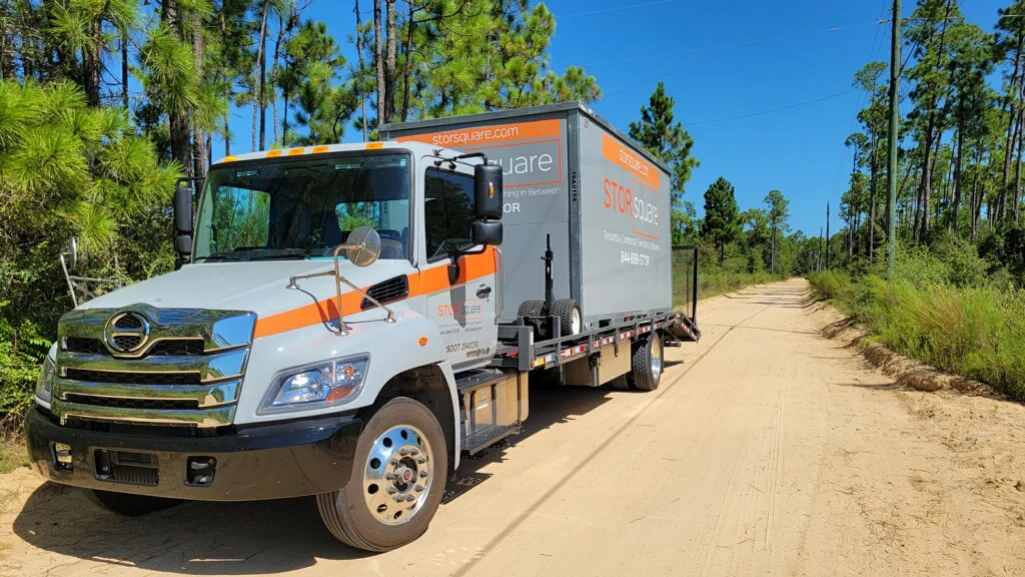
A Subtle Advantage: Simplifying the Entire Move
One of the most overlooked benefits of using a flexible storage solution is how much simpler it makes the process.
Instead of juggling multiple vendors, timelines, and contracts, you’re working with a single system, which makes the entire process feel much more manageable.
That simplicity can reduce mistakes, delays, and unexpected costs.
Many professionals find that using a platform like STORsquare helps them compare options and find solutions that fit their relocation needs without overcomplicating the process.Long Distance Moves and Career Transitions
Relocating for work is not just about logistics. It’s part of a larger life transition, and how you handle the move can shape how smoothly you settle into your new role.
The last thing you want is to start a new job feeling stressed, financially stretched, or disorganized after an already demanding move.
By understanding your relocation package and making strategic decisions, you can start your new role with confidence.
Common Mistakes to Avoid
Even experienced professionals make avoidable mistakes during relocation.
One common issue is underestimating costs. Small expenses like packing supplies, fuel, and temporary lodging can add up quickly.
Another mistake is choosing convenience over value without comparing options. A premium service may not always be necessary.
Finally, many people overlook storage needs until the last minute, leading to rushed decisions and higher costs.
Planning ahead and considering flexible options like portable storage units can prevent these issues.
Making the Most of Your Relocation Opportunity
Relocation packages are more than just financial support. They’re an opportunity to optimize how you move.
By choosing efficient solutions, you can:
- Reduce stress
- Save money
- Gain more control over your timeline
A moving container for work relocation is one of the most practical tools for achieving this balance.
Take the Next Step
If you’re planning a long-distance move for work, now is the time to explore your options and make a plan that works for you.
Planning a long-distance move for work?
Find flexible storage and moving solutions that fit your schedule and help you stay within your relocation budget.
Get Your Moving QuoteMoving long distance for work doesn’t have to be overwhelming or expensive. With the right approach, you can turn your relocation package into a strategic advantage.
Understand your package structure. Plan for taxes. Build a realistic budget. And most importantly, choose solutions that give you flexibility.
A well-planned move isn’t just about getting from point A to point B. It’s about setting yourself up for success in your next chapter.