
Long-distance driving mistakes don’t just wear you out. They quietly drain your wallet in ways many drivers never notice until it’s too late. From higher fuel costs to unexpected repairs, small habits add up fast. For drivers in Woodstock, Georgia and the surrounding metro area, these mistakes often show up during moves, renovations, or extended trips across North Georgia and beyond. Understanding how mobile storage saves money can help reduce those costs before you even hit the road.
Whether you’re heading toward Atlanta, Marietta, or Gainesville, or navigating busy corridors like Canton Road or I-575, the financial impact of long-distance driving deserves a closer look.
Long-Distance Driving Mistakes That Cost You Money Start Before You Leave
Most costly driving mistakes happen long before the engine turns over. Overpacking, poor planning, and unrealistic timelines often create pressure before a trip even begins. When drivers feel rushed, they’re more likely to overload their vehicles, skip breaks, or try to complete long drives too quickly. Many Woodstock residents underestimate how much weight they’re carrying or how fatigue will affect their reaction time, and those small miscalculations can quickly lead to higher fuel costs, increased vehicle wear, and unnecessary stress during the trip.
This is where planning differently matters. In many cases, separating your belongings from your travel plans is the first step toward saving money.
Speeding and Aggressive Driving Burn More Fuel Than You Think
Many drivers believe speeding will shorten a trip enough to justify the extra fuel. In reality, the opposite usually happens. Driving faster than necessary forces the engine to work harder against wind resistance, which increases fuel consumption significantly, something the U.S. Department of Energy also explains in its guide to efficient driving habits. Over a long-distance drive, even a small increase in speed can translate into noticeably higher gas costs.
At highway speeds above about 65 mph, fuel efficiency begins to decline more quickly. The engine burns more fuel to maintain speed, especially when combined with aggressive driving habits like sudden acceleration or frequent lane changes. These behaviors may seem minor in the moment, but over the course of several hours on the road they can dramatically increase your total travel costs.
Why this hits Woodstock drivers especially hard
Anyone who has driven through metro Atlanta during rush hour knows how unpredictable the traffic can be. One moment traffic slows to a crawl, and the next it opens up again. Drivers leaving Woodstock toward areas like Sandy Springs or Dunwoody often accelerate aggressively to make up for lost time. Unfortunately, that pattern of braking and speeding increases fuel consumption while also putting extra wear on brakes and tires.
How to avoid it
A few small adjustments in driving habits can make a noticeable difference in both fuel efficiency and vehicle wear during long trips. Drivers who maintain a steady pace and avoid sudden acceleration often see better mileage and less strain on their vehicles.
Some simple habits that help reduce fuel consumption include:
- Maintain a steady speed whenever traffic allows
- Use cruise control on open highways
- Accelerate gradually instead of rapidly
These habits reduce strain on your engine and improve fuel efficiency. Over the course of a long trip, slowing down slightly can save more money than most drivers expect.
Ignoring Rest Leads to Accidents and Expensive Repairs
Driver fatigue is one of the most underestimated risks during long-distance travel. When people feel pressure to reach their destination quickly, they often push through tiredness rather than stopping to rest. The problem is that fatigue quietly affects concentration, reaction time, and decision-making.
When a driver is tired, even routine situations become harder to manage. Lane drifting, delayed braking, and missed exits are common signs of fatigue. While these mistakes may seem minor, they can lead to fender benders, damaged tires, or suspension problems that cost far more than the time saved by skipping a break.
The real cost of skipping rest
Fatigue-related mistakes often lead to avoidable expenses such as minor accidents, increased insurance premiums, or wheel alignment damage from hitting curbs or potholes. In more serious cases, a momentary lapse in attention can lead to major vehicle damage or even total loss.
Drivers traveling through areas like Roswell, East Cobb, or along the Canton Road Corridor often underestimate how mentally exhausting heavy traffic can be. Even when the distance is relatively short, navigating dense suburban traffic requires constant focus.
A smarter approach to long drives
Instead of trying to power through exhaustion, it’s far more effective to plan breaks in advance. Taking a short stop every couple of hours allows drivers to reset mentally and physically before continuing the trip.
In situations where you’re moving belongings or transporting large loads, reducing the pressure to complete the trip quickly can make an even bigger difference. This is one of the situations where mobile storage saves money, because it allows drivers to avoid exhausting marathon drives while carrying heavy loads.
Overloading Your Vehicle Quietly Destroys Fuel Efficiency
Overloading is one of the most common and costly mistakes people make when preparing for a long drive. Many drivers assume their vehicle can handle a fully packed trunk, back seat, and roof rack without much consequence. In reality, excess weight forces the vehicle to work harder, which increases fuel consumption and accelerates wear on critical components.
Common ways vehicles become overloaded
Overloading often happens gradually while packing. A few additional boxes in the trunk or a roof carrier filled beyond its recommended capacity can quickly push a vehicle past its ideal weight range. Towing equipment without properly accounting for the total load can create similar problems.
These situations place additional stress on several parts of the vehicle, including the suspension system, braking components, and tires. Over time, this extra strain leads to higher fuel usage and an increased likelihood of mechanical issues.
The financial consequences
Drivers frequently underestimate the long-term cost of carrying excessive weight. Overloaded vehicles burn more fuel, require tire replacements sooner, and experience more brake wear.
| Vehicle Load Level | Estimated Fuel Cost Increase |
|---|---|
| Light load | 2–5% |
| Heavy load | 10–15% |
| Overloaded | 20%+ |
Even small increases in fuel consumption become expensive during long trips, particularly when gas prices fluctuate. For drivers moving between Woodstock and nearby communities like Marietta or Norcross, repeated trips with overloaded vehicles can quietly add hundreds of dollars to overall moving costs.
Skipping Breaks Leads to Costly Errors
Skipping breaks doesn’t just affect comfort. It directly affects your finances.
Fatigue-related driving mistakes often show up in small but costly ways. Drivers who skip breaks are far more likely to make errors that increase fuel usage or damage their vehicles.
Common fatigue-related mistakes include:
- Missed routes that lead to unnecessary fuel consumption
- Sudden braking that accelerates wear on brake pads and rotors
- Minor collisions in parking lots or rest stops
This is especially common on longer drives toward Gainesville or along I-985, where stretches of highway can feel deceptively easy until fatigue begins to affect concentration.
Money-saving habit
Take breaks every two hours. Even a 10-minute stop reduces mental fatigue and lowers the chance of expensive mistakes.
How Stress and Rushed Driving Decisions Drain Your Budget
Stress plays a larger role in driving costs than most people realize. When drivers feel rushed or overwhelmed, they often make decisions that increase both risk and expenses. Trying to stay on a tight schedule while managing heavy traffic or long travel times creates the perfect conditions for costly mistakes.
Drivers under pressure tend to speed, skip meals, ignore warning lights, or take unfamiliar routes in an attempt to save time. Each of these decisions increases the chances of higher fuel consumption or unexpected vehicle problems. Even something as simple as missing an exit can lead to unnecessary miles and wasted fuel.
For drivers leaving Woodstock during peak traffic hours, especially when heading toward Atlanta or Sandy Springs, stress can escalate quickly. Congested interchanges and constant stop-and-go traffic demand a high level of concentration. When fatigue and pressure combine, drivers are far more likely to make expensive mistakes.
Reducing stress during long drives isn’t just about comfort. It’s about maintaining focus, making better decisions, and protecting your vehicle from unnecessary wear.
The Hidden Cost of Doing Everything in One Trip
Many people assume that completing a move or long drive in a single trip will save money. While that approach may seem efficient, it often creates the opposite effect. Packing everything into one vehicle increases weight, which raises fuel consumption and puts additional strain on the car’s mechanical systems.
Trying to move everything at once also increases the likelihood of rushed decisions. Drivers may skip rest stops, drive longer than planned, or ignore signs of fatigue in order to complete the trip quickly.
These factors combine to create several avoidable expenses. Increased fuel usage, higher vehicle wear, and stress-related mistakes all contribute to higher overall costs. In many cases, spreading the process out over multiple stages turns out to be the more economical option.
Why Fewer Trips Often Cost Less Than One Overloaded Drive
It may seem counterintuitive, but making several lighter trips can sometimes be more efficient than attempting one overloaded drive. Vehicles operate more efficiently when they carry moderate loads rather than operating near their maximum capacity.
Heavy loads increase braking distance and place additional pressure on suspension components, which can raise maintenance costs over time. This is one of the practical reasons mobile storage saves money. Instead of forcing everything into a single trip, storage containers allow people to move items gradually without overloading their vehicles.
This is one of the practical reasons mobile storage saves money. Instead of forcing everything into a single trip, storage containers allow people to move items gradually without overloading their vehicles.
Using storage rental containers allows you to load belongings at your own pace while keeping your personal vehicle lighter and easier to drive. This approach reduces fuel costs, minimizes vehicle strain, and lowers the chances of damaging valuable items during transport.
Why Mobile Storage Saves Money for Long-Distance Drives
Mobile storage solutions give drivers more flexibility during moves or long-distance transitions. Instead of rushing to load everything into a single vehicle, storage containers allow you to separate transportation from hauling belongings.
Using storage container rentals allows you to:
- Load belongings at your own pace
- Keep vehicle weight lower during long drives
- Avoid repeated long-distance hauling
This approach not only reduces fuel costs but also minimizes wear on your vehicle. For Woodstock homeowners who are moving, remodeling, or downsizing, portable storage units can simplify the entire process while protecting both belongings and budgets.
Planning a move around Woodstock or the Atlanta area?
Portable storage can help you avoid multiple long drives, reduce fuel costs, and keep your belongings secure while you move at your own pace.
Moving and Remodeling Without Financial Burnout
Many long drives aren’t vacations. They’re tied to life changes like moving or remodeling.
Residents in neighborhoods such as Indian Hills, Brookfield Country Club, or Lakeshore Heights often face tight schedules during home projects. Rushing back and forth with overloaded vehicles only increases expenses.
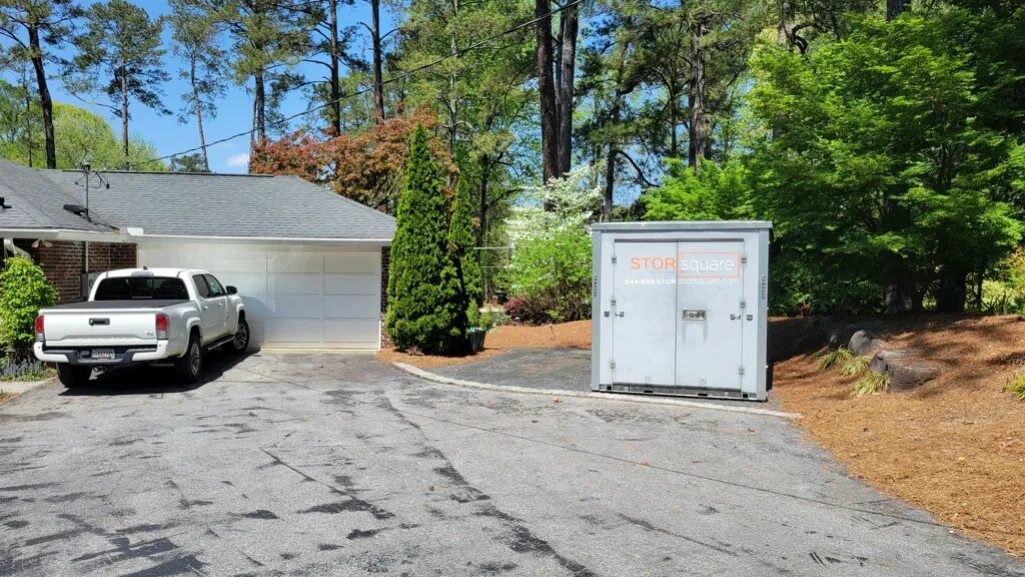
Using self storage containers for rent during remodeling projects provides several practical advantages. Instead of constantly transporting belongings back and forth across town, homeowners can keep items safely stored nearby while work is completed.
Some of the biggest benefits include:
- Keeping belongings secure on-site
- Avoiding repeated trips across town
- Reducing fuel costs and travel time
This approach allows homeowners to focus on their projects without the added stress of managing multiple transportation trips.
Local Driving Realities Around Woodstock, GA
Driving conditions around Woodstock present their own set of challenges, especially during busy travel periods. While distances between nearby communities may seem manageable, traffic patterns often make these trips more demanding than expected.
Drivers frequently encounter congestion when heading toward Atlanta, an issue regularly highlighted in federal reports on traffic congestion trends. Construction zones can also create sudden delays, forcing drivers to navigate unfamiliar detours.
These conditions make planning even more important. When drivers account for traffic, reduce vehicle weight, and schedule reasonable travel times, they significantly lower the risk of costly mistakes during longer drives.
How Mobile Storage Fits Into Smarter Travel Planning
For many North Georgia residents, portable storage units provide flexibility without forcing rushed decisions.
Instead of cramming everything into your car:
- Store items securely nearby
- Travel light
- Schedule pickups and drop-offs around your timeline
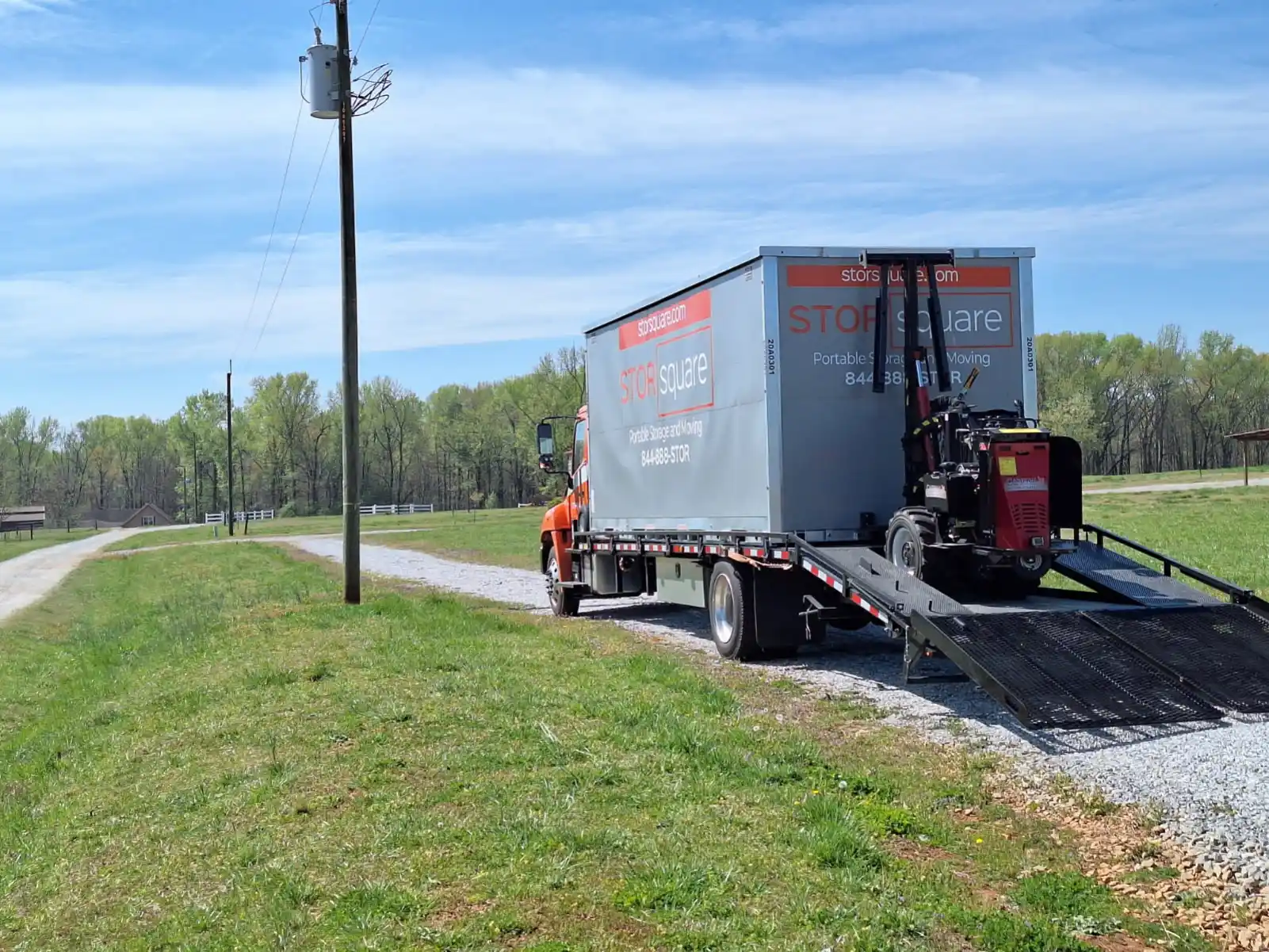
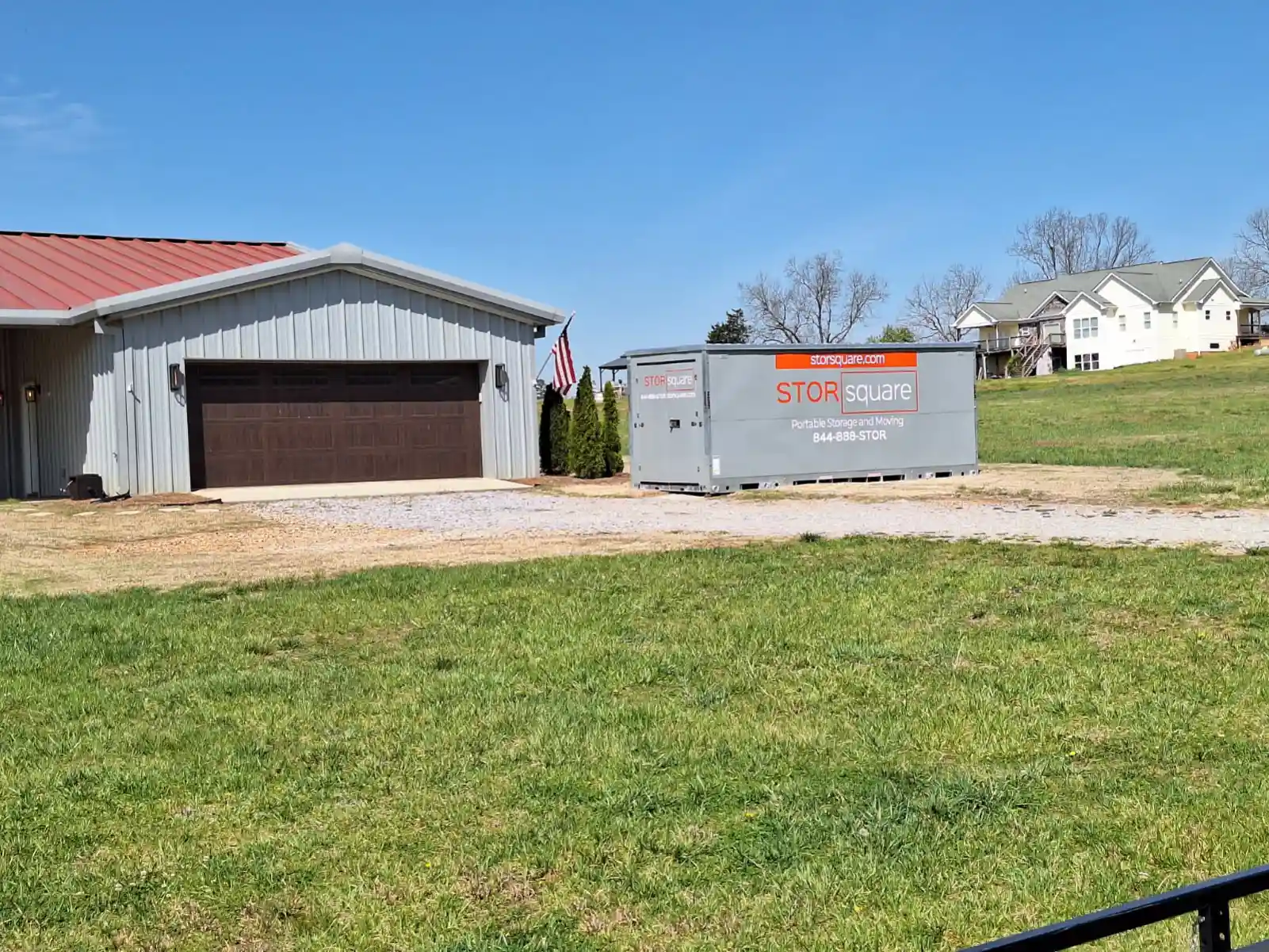
For many Woodstock-area residents, this is where local providers like STORsquare come into play. Instead of forcing everything into one rushed drive, having a portable storage container delivered to your driveway gives you time to load gradually, travel lighter, and avoid the fuel and repair costs that come with overloading a vehicle. It’s a practical option for moves, remodeling projects, or transitions that don’t fit neatly into a single weekend.
This approach aligns with how mobile storage saves money by reducing indirect costs like fuel, repairs, and time off work.
When used strategically, storage rental containers turn chaotic moves into controlled transitions.
Need a storage container delivered to your driveway?
STORsquare delivers portable storage containers directly to your home so you can load gradually and avoid stressful long-distance hauling.
Small Changes That Add Up to Big Savings
Avoiding costly long-distance driving mistakes does not require dramatic changes. Instead, it comes down to a series of small decisions that gradually reduce stress on both the driver and the vehicle.
Drivers who focus on maintaining steady speeds, keeping their vehicles lightly loaded, and taking regular breaks tend to experience fewer mechanical issues and lower fuel expenses. Separating travel from hauling heavy belongings can also make a noticeable difference.
For many people, the biggest realization is that trying to do everything themselves often leads to higher costs. When drivers simplify their travel plans and reduce the amount of cargo they carry, they create a smoother and more affordable driving experience.
Long-Distance Driving During Local Moves in North Georgia
Not all long-distance driving crosses state lines. Many costly driving mistakes happen during local moves that still involve extended driving time.
In North Georgia, moving between communities like Canton, East Cobb, and Woodstock often involves driving conditions that make short trips feel longer than expected. Drivers frequently encounter challenges such as:
- Long detours caused by construction
- Stop-and-go suburban traffic
- Limited parking or narrow residential streets
Because these moves appear shorter on paper, many drivers underestimate the impact of repeated trips. However, these local driving habits often lead to several hidden expenses, including:
- Excess fuel consumption
- Increased vehicle wear and tear
- A higher risk of minor accidents
Using mobile storage during a local move allows drivers to reduce travel frequency altogether. Instead of making multiple back-and-forth trips across busy corridors, homeowners can load a container once and focus on the move itself.
This is another clear example of how mobile storage saves money, especially for local moves where people underestimate the impact of repeated driving.
Spend Less, Drive Smarter
Long-distance driving mistakes rarely feel expensive in the moment. The costs show up later in fuel bills, repair invoices, and lost time.
For Woodstock residents navigating moves, renovations, or extended trips, the smartest financial decision often happens before the drive begins.
By rethinking how you transport your belongings and understanding why mobile storage saves money, you protect both your vehicle and your budget.
Driving smarter isn’t about cutting corners. It’s about avoiding the mistakes that quietly cost you more than you realize.
Ready to make your move easier and more affordable?
See how mobile storage saves money by reducing long drives, fuel costs, and vehicle wear during moves around Woodstock and metro Atlanta.