
Running a business often means managing more physical items than the workplace can comfortably hold. Retailers need room for seasonal inventory. Contractors need a dedicated place for tools and building materials. Offices may need temporary storage during renovations, while growing companies often need extra space before they are ready to expand into a larger property.
For these situations, commercial storage containers offer a practical alternative to leasing more warehouse space or transporting items back and forth to a distant storage facility. Because a container can be delivered directly to a business location or job site, companies can keep important materials close without giving up valuable indoor workspace.
Just as importantly, portable storage can adapt as business needs change. A company might use a container for several weeks during a remodel, several months during a busy season, or longer while managing ongoing inventory needs. This gives businesses room to respond to an immediate need without making a permanent real estate decision too soon.
Contractors may use job site storage containers because construction work requires flexibility. Tools, materials, safety equipment, and supplies often need to remain accessible throughout a project. A suitable container placed near the work area can help keep appropriate items enclosed and organized while limiting their exposure to routine job site activity. However, businesses should not assume that a standard container provides climate-controlled or moisture-free storage.
So, are portable storage containers good for businesses and contractors? In many cases, yes. They may be especially useful when a company needs accessible, flexible storage but is not ready to construct additional space or commit to a larger long-term lease.
Need more room at your business or job site?
Review portable storage options for inventory, equipment, renovations, and commercial projects.
Why Commercial Storage Containers Are Becoming a Business Essential
Space problems do not always appear gradually. Sometimes a large order arrives earlier than expected. In other cases, equipment must be moved out of a building before renovations can begin. A contractor may start a project with limited room for materials, while a retailer may suddenly need to prepare for a major sales period.
Traditionally, a business facing these challenges might rent warehouse space, rearrange its existing workplace, or use a self-storage unit. However, each of those choices can create additional work. Warehouse leases may require longer commitments. Rearranging a workplace can disrupt employees and customers. Meanwhile, using an off-site unit means staff must travel whenever they need to retrieve something.
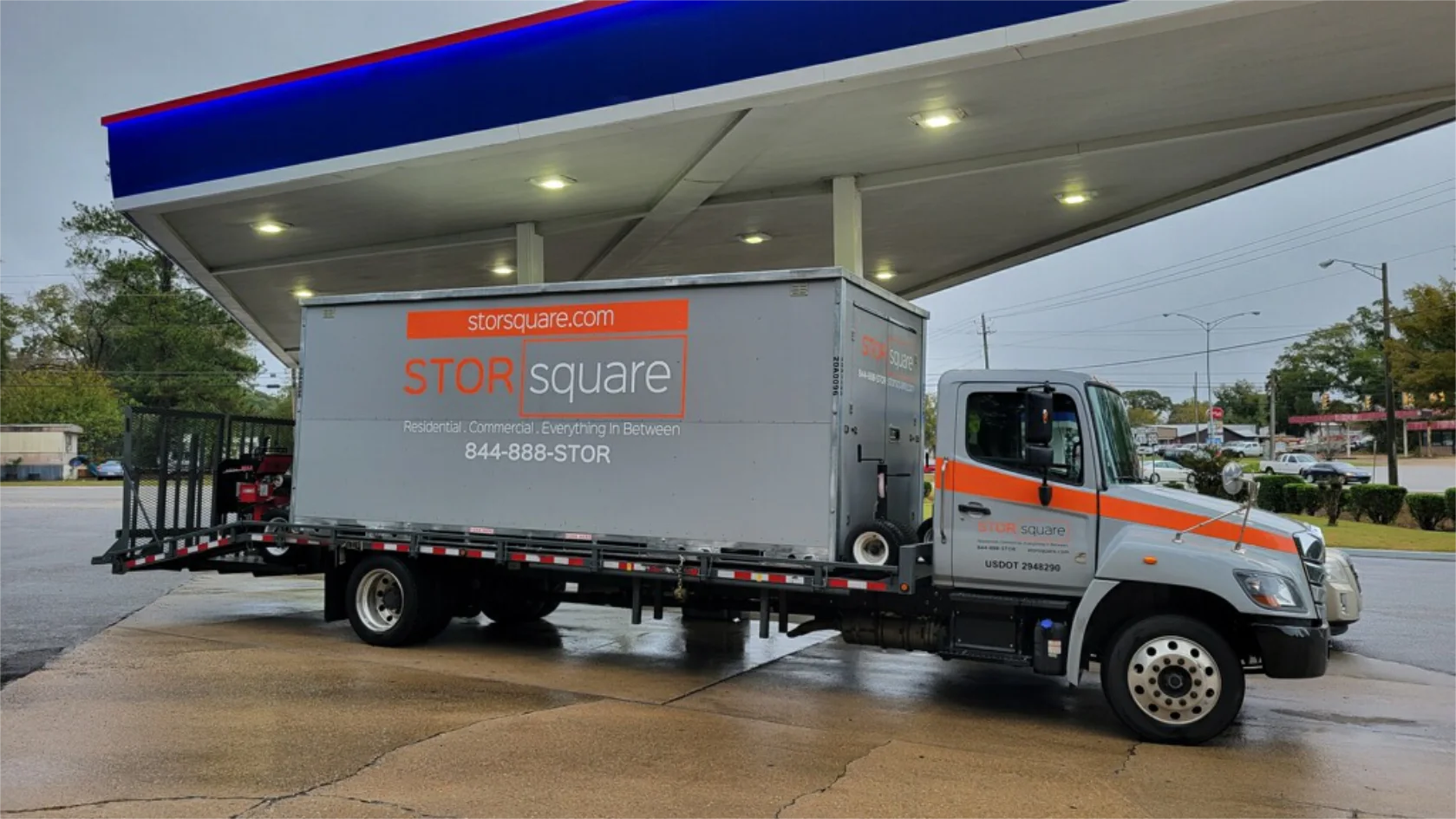
Commercial portable storage changes that process. A container can be delivered directly to the business, where employees can load it at their own pace. Depending on the service arrangement and the company’s needs, the loaded container may remain on-site for convenient access or be transported to an off-site storage location.
This convenience matters because storage is not only about finding empty space. It is also about protecting productivity. When inventory blocks walkways, equipment takes over work areas, or employees cannot quickly locate supplies, routine tasks may take longer and the workplace can become harder to manage. By moving less frequently used items into a nearby container, a business can create a cleaner and more efficient working environment.
Business Use Cases for Commercial Storage Containers
Different industries use storage containers in different ways, but the goal is usually similar: create more usable space while keeping appropriate items organized and within reach.
Retail businesses often experience major changes in inventory throughout the year. Holiday merchandise, promotional displays, patio products, school supplies, and clearance stock can take up more room than the store can comfortably handle. A commercial storage container can provide a dedicated place for excess merchandise, store fixtures, signs, displays, and packaging materials, helping keep aisles, offices, and receiving areas from becoming crowded.
Restaurants and hospitality businesses may face similar space pressures. Outdoor furniture, event supplies, decorations, extra tables, maintenance equipment, and nonperishable materials may not need to remain inside the building every day, but managers still need access when demand changes. Keeping suitable items in a nearby container can free up indoor space without moving everything to a distant facility.
Offices may also need temporary storage during renovations, relocations, or furniture replacements. Desks, filing cabinets, technology equipment, archived materials, and supplies can quickly fill conference rooms and hallways. A container placed at or near the property can give the business a designated place for those items until the project is complete.
Commercial storage may also support:
- Property management companies, which often need space for maintenance tools, replacement fixtures, appliances, landscaping supplies, and renovation materials.
- Schools and community organizations, which may store event equipment, furniture, sports supplies, records, or seasonal materials.
- Service businesses, including cleaning companies, restoration teams, landscapers, and event providers that manage equipment across multiple jobs.
- Manufacturing and distribution operations, which may need temporary space for packaging materials, finished goods, replacement parts, or excess stock.
In each of these settings, the container serves a specific operational purpose rather than simply becoming a place for miscellaneous overflow. Although these businesses have different priorities, portable storage gives each one more control over when, where, and how items are stored.
How Contractors Use Job Site Storage Containers
Construction sites change from one day to the next as materials arrive, crews move between work areas, and new equipment is introduced. Without a clear storage plan, tools and supplies can quickly become difficult to track.
Without designated storage, tools and materials may be spread across trailers, vehicles, unfinished rooms, or exposed sections of the site. Items can become harder to find, and repeated handling may increase the chance of damage, loss, or unnecessary replacement.
Job site storage containers give contractors a central location for frequently used supplies. Instead of sending workers back to a warehouse or relying on multiple trucks for storage, a contractor can keep equipment near the active work area.
Depending on the project, a container may hold power tools, hand tools, extension cords, ladders, protective equipment, fasteners, boxed fixtures, flooring products, plumbing supplies, electrical materials, and other job-specific items. As a result, crews can spend less time looking for equipment and more time completing the work.
Portable containers can be particularly helpful for general contractors overseeing several trades. When multiple crews share a job site, storage areas can quickly become disorganized. A container provides a clear boundary between stored materials and active construction space. In addition, contractors can organize the interior by project stage, trade, or frequency of use.
For example, materials needed later in the project can be placed toward the back, while frequently used tools and supplies can remain closer to the entrance. This simple approach makes retrieval easier and helps prevent crews from repeatedly moving the same items.
For contractors who would otherwise transport tools between a separate facility and the job site each day, on-site storage may reduce some of those trips. In that situation, employees may be able to leave suitable tools and supplies near the project between workdays rather than repeatedly loading and unloading them. The actual benefit will depend on the contractor’s workflow, security procedures, and project requirements.
Contractors should follow applicable safety procedures, review OSHA’s construction material-storage requirements, and confirm that each item is suitable for container storage. Portable containers may work well for many nonhazardous tools, fixtures, equipment, and properly packaged materials. Hazardous, regulated, or temperature-sensitive items may require specialized handling or storage. Retailers, manufacturers, offices, and other employers should also review the OSHA standards that apply to their workplaces.

Managing Inventory Overflow Without Leasing More Space
Inventory growth is usually a positive sign, but it can create immediate operational challenges when a stockroom, warehouse, or receiving area is already close to capacity. Products that do not fit in their usual location often spill into spaces meant for employees, deliveries, or customers, making the workplace harder to organize.
When a business receives more products than its stockroom can hold, the overflow often moves into areas designed for something else. Boxes may end up in offices, break rooms, receiving areas, or customer-facing spaces, leaving less room for employees, deliveries, and day-to-day operations.
Leasing additional warehouse space may seem like the obvious solution. Yet a traditional lease may not make sense when the storage need is temporary, seasonal, or difficult to predict. A business might need extra room for three months, only to have that need disappear after a promotion or busy season ends.
Commercial storage containers allow companies to add capacity without immediately committing to a larger building. Because the container is delivered where it is needed, businesses can load inventory directly from their existing location. This can simplify handling and reduce the number of times products are moved.
Seasonal businesses may find this especially valuable. For instance, a retailer preparing for the holidays can store displays, packaging materials, and reserve stock near the store. Likewise, a landscaping company can keep certain equipment available during the active season and reorganize its storage plan when demand slows.
Portable storage can also support product launches. A company may receive promotional materials, new merchandise, signage, or packaging before a launch date. Instead of allowing those materials to interrupt daily operations, the business can keep them together in a designated container until they are needed.
Along with creating more physical space, businesses should maintain an effective inventory management process so they know what is being stored, how quickly products are moving, and when stock needs to be replenished. If the need for extra capacity continues beyond a seasonal rush or product launch, the company can then evaluate a longer-term solution using real operating data rather than making a rushed decision.
On-Site vs. Off-Site Commercial Storage
Choosing between on-site and off-site storage depends on how often items are needed, how much room is available at the property, and how the business operates. The comparison below highlights the main practical differences.
| Consideration | On-Site Storage | Off-Site Storage |
|---|---|---|
| Access to stored items | Can provide convenient access when the container remains at the business or job site. | Access may require transportation, scheduling, or travel, depending on the facility. |
| Workplace use | May suit tools, inventory, or supplies that employees need regularly. | May suit items that do not require frequent access. |
| Property requirements | Requires an appropriate placement area and may be subject to property or local rules. | Does not require long-term container placement at the business location. |
| Loading process | Items can often be loaded close to the point of use. | Items may need to be transported, or the loaded container may be moved off-site. |
| Job site use | Can keep suitable equipment and materials near active crews. | May be useful when the job site lacks adequate placement space. |
| Visibility | The container remains visible while stored on the property. | Stored items remain away from the primary business or job site. |
| Situations to consider | Regular access, temporary projects, renovations, or short-term inventory overflow. | Limited on-site space, infrequent access, or storage needs that extend beyond the active project. |
On-site storage may make more sense when employees need frequent access and the property has a suitable placement area. Off-site storage may be more practical when outdoor space is limited, stored items are needed only occasionally, or the business prefers to keep the property clear. Some companies use both, keeping active inventory or tools nearby while placing archived or long-term items at another location.
Before placing a container on commercial property, businesses should review site access, surface conditions, available clearance, and any applicable property rules or local requirements. Planning these details in advance can make delivery and use more straightforward.
Portable Storage Containers Compared With Other Commercial Options
Businesses have several ways to create more storage capacity. However, each solution offers a different balance of flexibility, access, cost, and commitment.
A warehouse lease can provide substantial space, but it may also involve a longer contract and ongoing overhead. Additionally, a warehouse may be located far from the main business, which means inventory and equipment must be transported between locations.
A self-storage unit may work for smaller quantities of items, especially when access is infrequent. However, employees may still need to load a vehicle, travel to the facility, and repeat the process whenever something is needed. The rental price may not reflect the additional time and labor involved.
Permanent building expansion can solve a long-term space shortage, but it is rarely a quick answer. Construction may require planning, permits, financing, and operational disruptions, and a permanent addition may be unnecessary when the need for space is temporary.
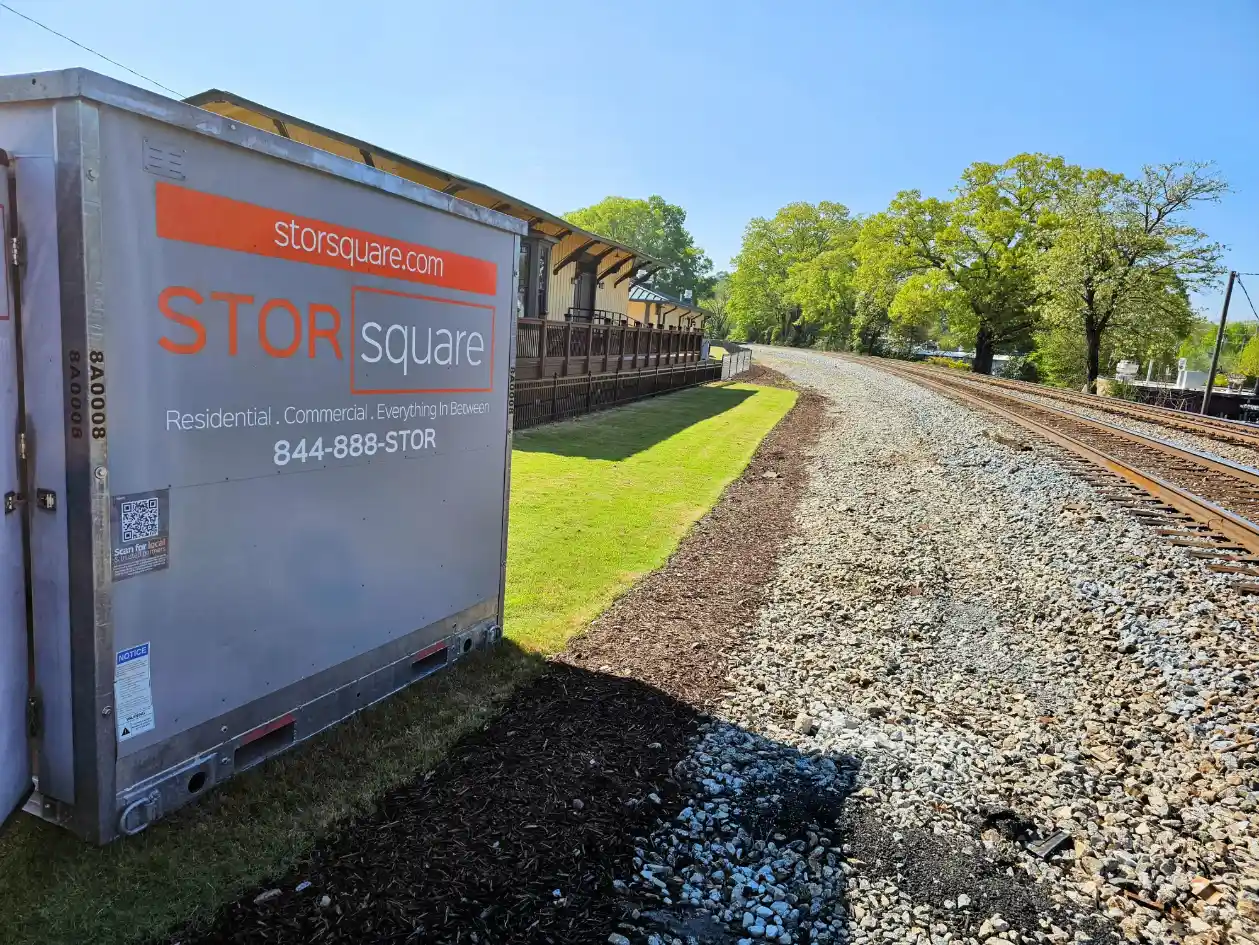
Commercial portable storage offers a middle ground. It can provide dedicated space without requiring permanent construction, while also allowing suitable inventory, tools, or equipment to remain closer to the business than they would at many traditional storage facilities.
How Commercial Storage Containers Improve Daily Operations
The value of additional storage goes beyond square footage. When overflow inventory, tools, or supplies are moved out of active work areas, employees have more room to carry out routine tasks and the business becomes easier to organize. Hallways, receiving areas, garages, and workrooms can remain clearer, although the container and its contents must still be placed and maintained according to applicable safety requirements.
A dedicated storage area also gives businesses a more consistent way to organize what they have. Rather than placing extra products wherever room happens to be available, managers can group items by category, project, delivery date, or frequency of use. Frequently needed supplies can stay near the entrance, while reserve stock and materials for later project stages can be placed farther inside.
That organization can also support planning. Contractors may stage materials according to the next phase of a job, while retailers can separate current merchandise from seasonal displays or promotional stock. A service company might keep everyday equipment in its main workspace and use the container for replacement parts, backup supplies, and tools that are needed less often.
When stored items are kept close to the point of use, employees may also spend less time traveling to another location to retrieve them. The benefit will vary by business, but for teams that need regular access to tools, fixtures, or inventory, having an organized storage area nearby can make day-to-day work more efficient.
When Commercial Storage Containers Make the Most Sense
Portable storage can be especially useful when a business clearly needs more space but does not yet know how long that need will last. A short renovation, seasonal rush, large delivery, or temporary project may create pressure for several weeks or months without justifying a permanent expansion.
A growing business may know that its current building is becoming crowded. However, management may not yet know whether the company needs a larger permanent location. A commercial container can provide breathing room while the business evaluates its next move.
Renovations often create temporary storage problems because furniture, equipment, supplies, and inventory may need to be moved out of active work areas. Keeping suitable items near the property can make it easier to return them as each section is completed.
Commercial containers also make sense for temporary projects, seasonal demand, disaster recovery, store resets, office moves, construction work, and large deliveries. In each situation, the business needs more space, but that space may not be needed forever.
Commercial storage containers may be a practical fit when a business needs extra capacity for a limited period and employees need regular access to the stored items. They can also help when inventory, equipment, or project materials are taking over work areas, but renting a larger building would provide more space than the company currently needs.
The property must still have a suitable placement area, and the business should consider delivery access, security, local requirements, and how often employees will enter the container. If frequent trips to an off-site facility would interrupt work, keeping suitable items nearby may be more convenient.
These points should be considered together rather than separately. For example, a container may be highly convenient, but the site still needs enough room for safe delivery and placement. Similarly, the business should think about how stored items will be arranged so that employees can access them efficiently.
Not sure which storage setup fits your business?
Tell StorSquare about your location, timeline, and storage needs. The team can help you plan a practical container solution.
What Businesses Should Consider Before Renting a Container
Before choosing commercial storage, companies should estimate how much space they actually need. Renting a container that is too small may lead to poor organization, while selecting more capacity than necessary may not be cost-effective.
Businesses should begin by identifying what will be stored. Large equipment, boxed inventory, furniture, and building materials use space differently. Therefore, a simple item count may not be enough. Approximate dimensions and stacking limitations should also be considered.
Next, the company should decide how often employees will need access. Items that are used daily should remain near the entrance. In contrast, long-term or reserve materials can be placed farther inside. Leaving a narrow access path may also make it easier to reach multiple sections of the container.
The delivery location is another important factor. The surface should be appropriate for placement, and the delivery area should have adequate access and clearance. Additionally, the company may need approval from a property owner, manager, or local authority depending on the site.
Businesses should also consider the storage period. Although portable containers are flexible, having a general timeline helps the company plan inventory movement, project milestones, and costs.
Finally, the business should choose a provider that can explain delivery, placement, access, and container options clearly. Good planning at the beginning helps prevent delays and makes the storage space more useful once it arrives.
Choose Storage That Works Around Your Business
Commercial storage containers can give businesses and contractors more room for suitable inventory, tools, equipment, and project materials without requiring an immediate building expansion. They are especially useful when access matters, space needs are temporary, or a job site or workplace has become difficult to organize.
The right setup depends on the property, the items being stored, and how often employees need access. StorSquare can help businesses evaluate container options and plan a delivery arrangement that fits their location and schedule.