
Moving across state lines is not simply a longer version of a local move. The boxes may look the same, and the furniture still needs to reach a new front door, but the administrative side of the move becomes more complicated. A new state can mean different licensing rules, insurance requirements, registration deadlines, tax obligations, and utility providers. Those details often compete for attention at the exact moment you are also trying to pack an entire household.
That is why a predictable moving method matters. Mobile storage for moving gives you one steady process while everything else is changing: a container is delivered, loaded on a practical schedule, transported, and unloaded at the destination. Distance still affects routing, timing, and cost, but it does not have to change the way you organize your belongings.
The best interstate moves separate the work into two categories. First, identify the rules that change when you cross a state line. Second, protect the parts of the process that can remain simple and familiar. This guide covers both, so you can plan the move without treating every task like an emergency.
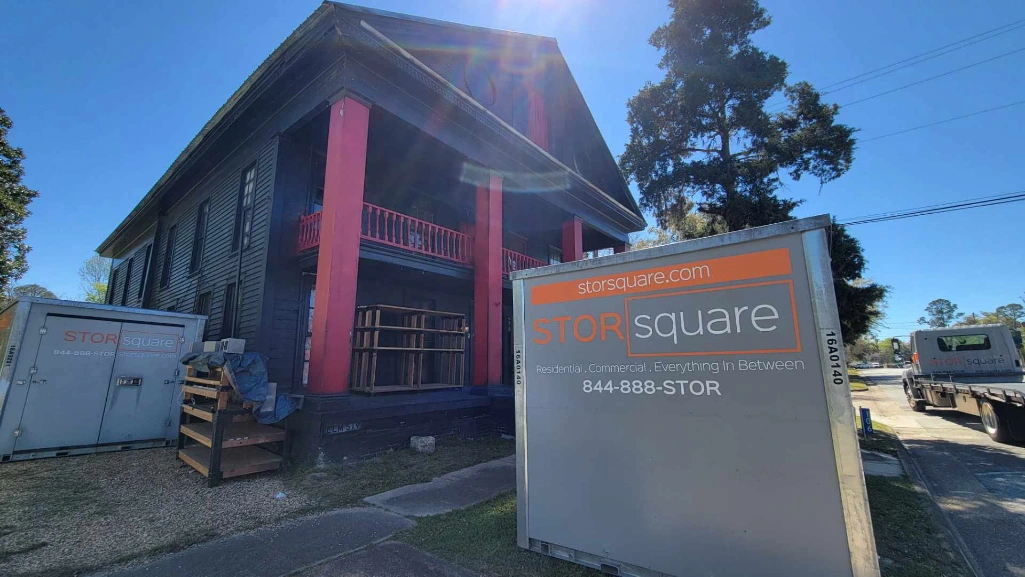
Interstate Moving at a Glance: What Changes and What Stays the Same
The table below offers a practical overview. Exact requirements differ by state, county, city, insurer, employer, and utility provider, so use it as a planning framework rather than a substitute for agency-specific instructions.
| Moving Task | What May Change Across State Lines | What Can Stay Consistent |
|---|---|---|
| Driver’s license | Application deadlines, required documents, testing rules, fees, and REAL ID procedures | Gather identity, residency, and vehicle documents before the move |
| Professional license | Reciprocity, endorsement, background checks, continuing education, and processing times | Contact both licensing boards early and keep digital copies of your credentials |
| Auto insurance | Minimum liability limits, available coverage, rates, and insurer eligibility | Keep coverage active without a gap and update the vehicle’s garaging address |
| Homeowners or renters insurance | Premiums, covered risks, deductibles, and policy availability | Review coverage before packing and document valuable belongings |
| Vehicle registration | Registration deadlines, title procedures, inspections, emissions testing, taxes, and fees | Keep the title, current registration, lien details, and proof of insurance together |
| State taxes | Residency rules, withholding, part-year returns, local taxes, and vehicle or property taxes | Save moving records and update your address with employers and financial institutions |
| Utilities | Providers, deposits, connection fees, equipment, and available service options | Schedule shutoff and activation dates around possession of each home |
| Physical move | Distance, route, transit time, and access at the destination | Use a consistent container-based process for loading, transport, optional storage, and unloading |
Driver’s Licenses and State Identification
One of the first administrative changes after an interstate move is usually your driver’s license or state identification card. States set their own deadlines and document requirements. Some ask new residents to update their license soon after establishing residency, while others allow a different window. The definition of residency may also depend on actions such as signing a lease, purchasing a home, starting a job, registering to vote, or enrolling a child in school.
Do not assume your current license remains sufficient simply because it has not expired. Before moving day, visit the official motor vehicle agency website for your destination state and create a document checklist. Commonly requested records include proof of identity, Social Security documentation, proof of lawful presence, and one or more documents showing the new residential address. A lease, mortgage statement, utility bill, bank statement, or insurance document may be accepted, but the exact list varies.
It helps to place these records in a travel folder that stays with you rather than inside a moving container. The same rule applies to passports, birth certificates, court documents, medication records, closing papers, and employment paperwork. Portable storage units are useful for household goods, but critical documents should remain under your direct control throughout the trip.
Professional and Occupational Licensing May Require More Lead Time
Licensing does not stop with the DMV. Nurses, teachers, real estate professionals, contractors, cosmetologists, therapists, attorneys, accountants, and people in other regulated occupations may need authorization from a new state before they can legally work there.
Some states have reciprocity agreements, interstate compacts, or licensing by endorsement. Others require a new application, background check, fingerprinting, examination, verification from the previous board, or state-specific coursework. Even when your experience is accepted, processing can take time.
Start with the licensing board in the destination state, then confirm what the board in your current state must send. Ask your employer whether you can begin work while an application is pending, but do not rely on an informal answer when the occupation is regulated. A delayed professional license can affect income, insurance enrollment, childcare plans, and the date you feel financially settled, so it belongs near the top of the long-distance moving checklist.
Insurance Differences Can Affect More Than Your Premium
Insurance is closely tied to location. Your ZIP code, traffic patterns, weather risks, repair costs, commute, and state coverage rules may affect both pricing and policy options. Contact your insurers before the move so they can explain what must change and when the new coverage should begin.
For auto insurance, provide the address where the vehicle will be kept and confirm whether your current company writes policies in the destination state. Minimum liability requirements and available coverage can differ, so an existing policy may need to be replaced rather than simply updated. Keep the old policy active until the new one is confirmed to avoid a coverage gap during the move.
Homeowners and renters insurance also need attention. Confirm when coverage ends at the old address, when it starts at the new one, and how your belongings are protected while packed, stored, or transported. Standard policies and optional protection plans may cover different causes of loss and use different methods to calculate value.
Before packing, photograph higher-value belongings and save useful records such as receipts and serial numbers. For state-specific questions, the National Association of Insurance Commissioners can help you find the insurance department in your destination state.
Vehicle Registration, Title, Inspections, and Local Fees
After reviewing the destination state’s insurance and licensing requirements, vehicle registration is another important early task. Each state controls its own process, and the order of operations can matter. You may need destination-state insurance before registration, a vehicle identification number inspection, emissions testing, a safety inspection, proof of paid taxes, lienholder information, or an updated title application.
Do not pack your title, current registration, proof of insurance, purchase documents, or lien information deep inside a portable storage container. Keep them with your travel paperwork. If the title is held electronically or by a lender, research the destination process early because coordination can add time.
The total cost may include more than a basic registration fee. Depending on the destination, you could encounter title fees, plate fees, inspections, local wheel taxes, personal property taxes, excise taxes, or charges based on the vehicle’s age or value. Some states may provide credits for certain taxes paid elsewhere, while others use a different structure entirely.
Parking rules can change too. If the new home has a homeowners association, narrow driveway, shared access, permit-controlled street, or municipal restrictions, confirm where vehicles and moving equipment may be placed.
This is especially important when planning moving container delivery. Ask whether placement in the driveway is permitted, whether the container may extend onto a sidewalk, and whether a temporary street permit is required. A little access research can prevent a delivery-day scramble.
State Taxes and Payroll Changes
An interstate move can affect residency, withholding, and the returns you file for the year. The move date matters, but it may not be the only factor. States may also consider where you lived, where you worked, where income was earned, and whether you kept property or other ties in the previous state.
Tell your employer when the move and new work location are confirmed, then review the first pay statement after the change. Remote and hybrid workers should be especially careful because withholding may depend on where the work is performed, not only where the employer is based.
Keep lease dates, closing statements, employer relocation documents, and other records that show when you established the new home. A tax professional may be useful if you own a business, work in multiple states, keep property in the former state, or receive relocation assistance. USA.gov can also direct you to the appropriate state tax agency for current filing guidance.
Utility Transfers Are Often New Service Setups
Moving across state lines usually means closing existing utility accounts and opening new ones. Electricity, gas, water, sewer, trash, internet, and home security may be handled by different companies or local authorities, so ask the seller, landlord, property manager, or real estate agent which providers serve the exact address.
Schedule essential services around the dates you will have possession of each home. Keeping electricity and water active through the final cleaning and walkthrough can prevent unnecessary problems, while activating service at the new home before arrival is especially important during very hot or cold weather.
Internet service deserves extra lead time if you work from home. Coverage and speed can vary by street, even within the same city, and installation may require an appointment. The FCC’s broadband resources can help you check which providers report service at the new address.
Return rented routers, modems, and security equipment on time, and keep the receipts. When appropriate, take final meter photos and review closing bills so you can resolve unexpected charges with a record of the service date and reading.
Address Changes Extend Beyond Mail Forwarding
Mail forwarding is useful, but it should be treated as a temporary safety net rather than the entire address-change process. Update your address directly with banks, credit card companies, lenders, insurance providers, employers, investment accounts, subscription services, medical offices, schools, and government agencies.
You may also need to update voter registration after establishing residency in the new state. Families should contact schools about enrollment records, immunization requirements, and proof-of-address documents. Pet owners may need to update microchip details, veterinarian records, licenses, and local vaccination documentation.
Keep a running list of every account you update. When forwarded mail arrives with the old address several weeks after the move, add that sender to the list. This simple habit catches accounts that are easy to overlook.
What Stays the Same During a Long-Distance Move
State rules may change, but the basic goals of the move do not. You still need to protect your belongings, keep the schedule manageable, and leave room for changes in closing dates, lease start dates, weather, or work commitments.
Mobile storage for moving can provide that consistency. A container gives you one place to load and organize household items at the old home, with the option to keep them stored between addresses when the route and service area allow. This can reduce extra handling when temporary storage is needed and make the physical move easier to coordinate alongside licensing, insurance, utility, and registration tasks.
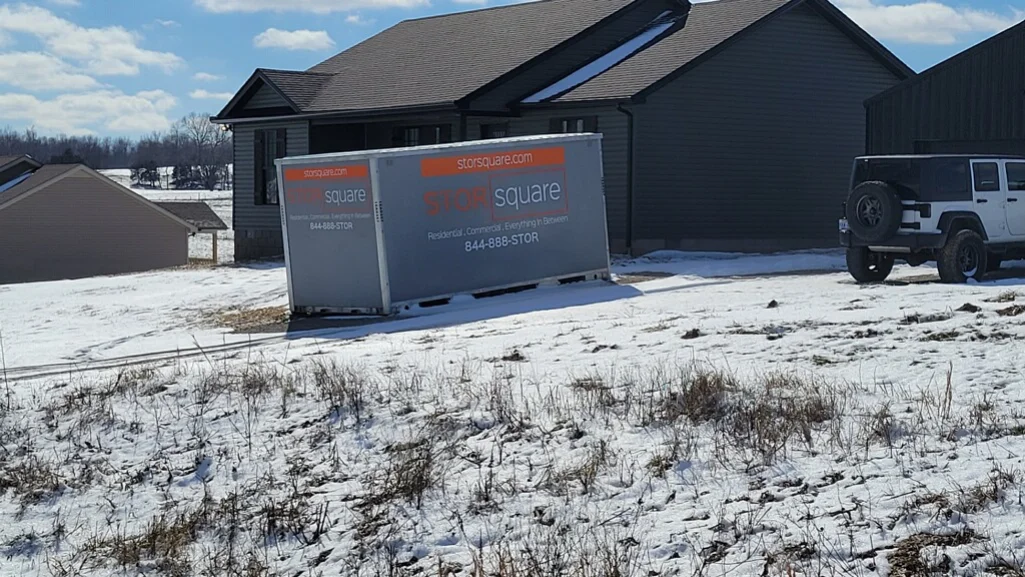
Why Mobile Storage for Moving Feels Predictable Across State Lines
Portable storage does not remove every variable. Distance, route availability, transit time, and property access still affect the plan. What stays consistent is the process: the container is delivered to the origin, loaded on a practical schedule, transported, and delivered to the destination.
Having the container at the property also reduces repeated trips to a traditional self-storage facility. You can pack by room, keep an inventory, and secure the load in sections as items leave the house. With a rental truck, those same tasks may need to fit within a tighter pickup and return schedule.
The storage option can be especially helpful when move-out and move-in dates do not align. When the provider serves both locations and storage is included in the agreement, the loaded container can remain stored until the new home is ready. That gives families time to handle school enrollment, professionals time to complete licensing steps, and remote workers time to arrange internet service without moving everything into a separate unit.
STORsquare offers long-distance moving services built around this container-based process. Customers can choose a container, load their belongings on an agreed schedule, and coordinate transportation based on the route and destination.
Check whether long-distance service is available for your origin and destination before choosing a container size or setting a delivery date.
Is STORsquare available for your interstate move?
Check long-distance service options for your starting point and destination, then estimate the container size and schedule your move may require.
Building a Practical Interstate Moving Timeline
A useful timeline combines paperwork deadlines with packing milestones. Treat it as a working plan that can adjust when a closing date, lease start, or travel schedule changes.
Six to Eight Weeks Before Moving
Research licensing, registration, insurance, and tax requirements in the destination state. Request long-distance moving quotes, estimate the container size you need, and confirm that both addresses are within the provider’s service area. This is also the time to gather professional license records and schedule appointments that tend to fill up early.
Three to Four Weeks Before Moving
Arrange utilities, notify your employer, begin direct address changes, and pack items you will not need right away. Label each box by room and general contents so it can go directly to the correct area at the new home. Check the driveway for gates, slopes, low branches, overhead wires, or other conditions that could affect container placement.
The Final Week
Set aside everything that must travel with you, including medication, identification, chargers, work equipment, pet supplies, basic tools, and several days of clothing. Reconfirm pickup, destination access, travel plans, and utility activation so everyone involved is working from the same schedule.
After Arrival
Set up the essentials first, then complete licensing, registration, insurance, voter registration, and other address-dependent tasks within the destination state’s deadlines. When the rental period and local placement rules allow, unload in stages rather than opening every box at once.
Packing a Moving Container for Interstate Transportation
Long-distance packing should account for road vibration, turns, and sudden stops. Use sturdy boxes, place heavier items on the bottom, distribute weight across the container, and fill open spaces so boxes and furniture cannot shift. Moving blankets, mattress covers, and straps can help protect larger items and keep the load stable.
Create a simple inventory as you pack, and mark a few boxes as “open first” for bedding, basic kitchen supplies, and other arrival-day needs. Keep medication, identification, financial records, jewelry, keys, and essential electronics with you rather than placing them in the container.
Before loading, review the provider’s prohibited-items policy. For more detailed guidance on supplies and loading support, visit STORsquare’s packing and moving help page.
Choosing the Right Storage Container Rental for a Long-Distance Move
The lowest advertised price is not always the lowest total cost. Compare quotes based on the complete move, including container delivery, pickup, transportation, storage time, redelivery, taxes, access, and possible schedule changes.
Before choosing between storage container rentals, review these five areas:
- Route availability: Confirm that both ZIP codes are served and ask whether the move requires special coordination.
- Container size: Choose enough capacity without paying for a large amount of unused space.
- Storage between homes: Find out where the container will be kept and how access works if you need an item.
- Delivery conditions: Discuss driveway width, slope, surface, overhead clearance, gates, permits, and homeowners association rules.
- Schedule changes: Understand how much notice is required if a closing date or move-in date shifts.
These questions are not meant to make the move feel more complicated. They help you compare storage rental containers on equal terms and reduce surprises. A clear quote and realistic schedule are especially valuable when coordinating across two states.
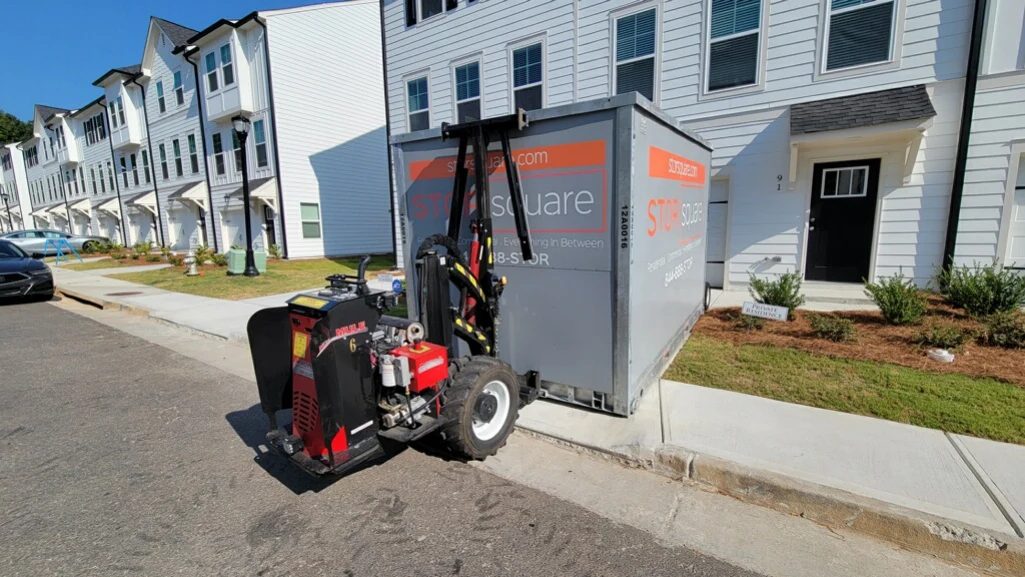
STORsquare offers 8-, 12-, 16-, and 20-foot mobile storage units, allowing households to select capacity based on the size of the move. A personalized quote based on the origin, destination, timing, and storage needs will be more useful than a generic price estimate.
Need pricing based on your actual moving plans?
Share your origin, destination, preferred timing, and storage needs to receive a quote tailored to your long-distance move.
Portable Storage Compared With a Rental Truck
A rental truck can work well when you are comfortable driving a large vehicle, can follow a firm rental schedule, and have immediate access to the new home. It also makes you responsible for fuel stops, tolls, parking, overnight security, highway driving, and unloading within the agreed period.
Portable storage separates the driving from the packing. Customers can load the container themselves or arrange professional help where available, while the provider handles transportation. If the new home is not ready, storage may also be coordinated without transferring everything into a separate unit.
Compare the full workload and total cost, not only the starting price. Consider the route, time available, temporary storage needs, and whether you want to drive a moving truck across state lines.
Make the Rules Change, Not Your Entire Moving Process
Moving to another state brings a new set of deadlines and requirements, but it does not have to make every part of the move feel unfamiliar. Start early by gathering identification and vehicle documents, checking official licensing and registration guidance, keeping insurance active, arranging utilities around possession dates, and saving records that may be useful at tax time.
The physical move should support that planning rather than compete with it. Mobile storage for moving gives you a clear sequence for loading, transportation, temporary storage when needed, and delivery to the new home. Availability, timing, and access still need to be confirmed, but the basic process remains easy to understand across short and long distances.
A well-organized interstate move is less about eliminating every surprise and more about creating room to handle one when it happens. With the paperwork planned and the moving method in place, you can focus on settling into the new home instead of reacting to every change along the way.