
When clutter takes over a room, it usually does not happen all at once. It starts with one package by the door, one laundry basket in the hallway, one stack of mail on the counter, and one box you meant to unpack last weekend. Before long, the house feels harder to clean, harder to relax in, and harder to manage. That is why many homeowners eventually realize that portable storage units reduce clutter not only by adding space, but also by making it easier to reset the habits that caused the mess in the first place.
For residents in Stallings, North Carolina, this can feel especially familiar. Many homes in the area sit close to busy Charlotte-area routines, with work, school, errands, remodeling projects, and local moves all competing for time. Stallings has grown into a larger town with residential neighborhoods, businesses, and easy access to the Charlotte region, which means many households are balancing suburban space with full schedules.
The real problem is not that people are lazy or disorganized. More often, clutter builds because daily systems are missing. Therefore, the goal is not to become perfectly tidy overnight. Instead, the goal is to make small decisions easier, create better drop zones, and use the right storage tools before clutter becomes a bigger project.
Portable storage units, smarter routines, and simple weekly audits can work together to keep your home from sliding back into the same mess.
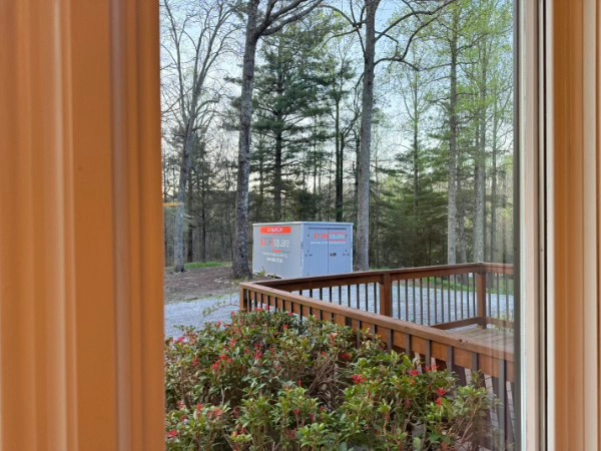
Need extra space while you get clutter under control?
A portable storage unit can give you room to sort furniture, boxes, seasonal items, or remodeling supplies without taking over your living space.
Request a Storage QuoteHow Portable Storage Units Reduce Clutter Before It Starts
The best clutter system is not the one that looks perfect on day one. Rather, it is the one you can keep using on a normal Tuesday when you are tired, carrying groceries, answering texts, and trying to get dinner started. That is where portable storage can help during bigger transitions. When a home is packed too tightly, every small organizing task takes longer. You move one thing to reach another. Then, because there is nowhere obvious to put it, the item lands on a chair, counter, or floor.
Portable storage units reduce clutter by creating temporary breathing room. Instead of trying to organize around extra furniture, holiday bins, donation piles, or renovation materials, you can move those items out of the main living areas while you rebuild better systems. In other words, the storage unit is not the whole solution. However, it can give you the space to make the solution actually stick.
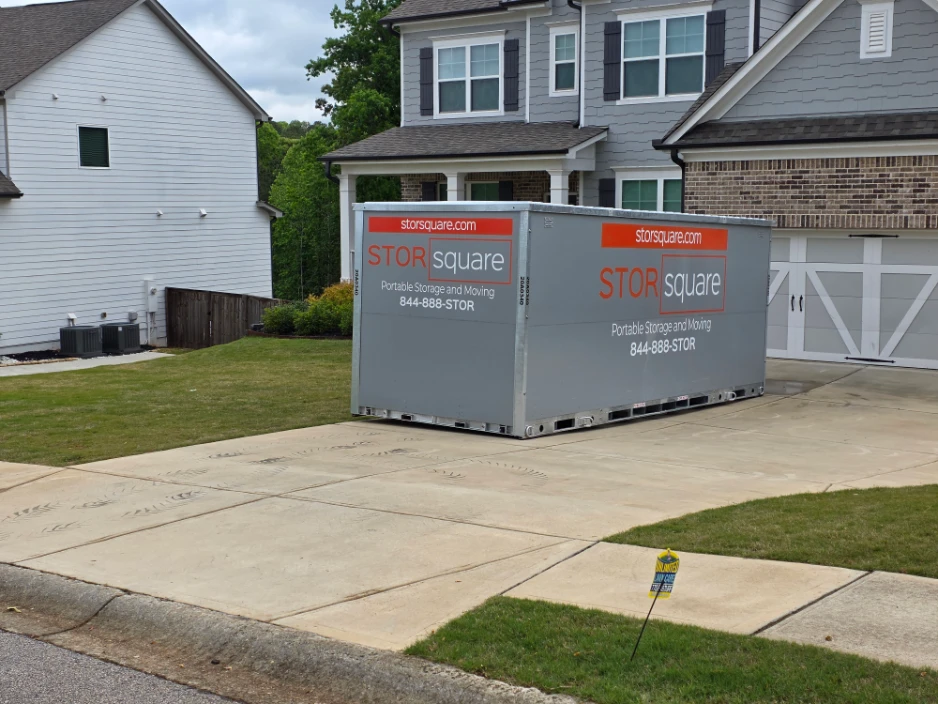
For example, a family in Stallings preparing for a local move may not want to pack everything in one weekend. A homeowner near Matthews or Indian Trail may be remodeling a kitchen and need the dining room back. Meanwhile, someone clearing out a garage may need a place for tools, sports gear, or storage totes while deciding what stays. In each case, a mobile storage option can separate “temporary project clutter” from daily household clutter.
STORsquare offers mobile storage units in several sizes, including 8-foot, 12-foot, 16-foot, and 20-foot options, which makes it easier to choose space based on the project instead of guessing.
The Small Habits That Create Big Messes
Clutter usually begins with harmless choices. Unfortunately, those choices repeat. Then, once they repeat often enough, they become the house’s default system. The shoes always land by the back door. The mail always lands on the kitchen island. The clean laundry always waits in the basket. Eventually, the home is not messy because one major thing went wrong. It is messy because several small things never got finished.
Here is a simple way to think about it:
| Habit That Creates Clutter | Why It Happens | Simple Fix |
|---|---|---|
| Dropping items by the door | There is no clear landing spot | Create a small drop zone with hooks, trays, or baskets |
| Letting mail pile up | Sorting feels like a separate task | Sort mail over the trash or recycling bin immediately |
| Keeping “maybe” items | Decisions feel tiring | Use a weekly donation box or temporary storage area |
| Buying before checking | Storage areas are hard to see | Do a five-minute shelf audit before shopping |
| Leaving projects half-finished | Supplies do not have a home | Store active project items together in one labeled bin |
| Overfilling closets | Too many items are stored in daily-use spaces | Move seasonal or low-use items out of prime storage areas |
This table is simple, but it explains why clutter sneaks up on people. Most clutter is delayed decision-making. Consequently, the fix is not only to buy bins or clean for a full weekend. The better fix is to reduce the number of decisions you have to make later.
The “I’ll Put It Away Later” Habit
This habit is the root of many messy rooms. You set something down because you plan to deal with it soon. However, “soon” turns into tomorrow, and tomorrow turns into a pile. After that, the pile starts to feel normal, so you stop noticing it.
A better approach is the one-minute reset. If something takes less than a minute to put away, do it now. Hang up the jacket. Put the shoes in the basket. Toss the junk mail. Return the screwdriver to the garage. At first, this sounds too small to matter. However, over a week, one-minute resets can prevent dozens of items from becoming visual noise.
Drop Zones Without Rules
A drop zone is not the problem. In fact, every busy home needs one. The problem is an undefined drop zone. A bench by the door can work well for bags and shoes. However, if it also becomes the place for returns, sports gear, tools, unopened packages, and paperwork, it turns into a clutter magnet.
Instead, give each drop zone a job. The entryway might hold keys, shoes, and bags. The kitchen counter might hold only today’s mail and school forms. The garage shelf might hold returns and outgoing donations. Once the zone has a rule, it becomes easier to clear because you know what belongs there and what does not.
Too Much Storage in the Wrong Places
Sometimes clutter builds because a home has storage, but not the right kind of storage. A full attic does not help if your living room is crowded. A packed garage does not help if the holiday decorations are blocking the lawn equipment. Likewise, a closet full of rarely used items does not help if there is no space for everyday coats and shoes.
This is where a temporary storage container rental can be useful during a reset. By moving low-use or project-related items out of the way, you can make your everyday storage areas work again. Then, once the home is organized, you can decide what returns, what gets donated, and what should stay stored longer.
A Simple Clutter Prevention System for Stallings Homes
A good clutter system should fit real life in Stallings. It should work when you are commuting toward Charlotte, picking up kids, heading to weekend plans, or trying to keep the house ready for guests. Therefore, instead of building a complicated organizing routine, start with three repeatable habits: one-minute resets, smarter drop zones, and weekly audits.
Use One-Minute Resets Throughout the Day
The one-minute reset works because it removes friction. Rather than waiting for a full cleaning day, you clean the small thing before it becomes a bigger thing. After breakfast, clear the counter. After work, empty the car of cups, receipts, and bags. Before bed, reset the main room you use in the morning.
The trick is to attach the reset to something you already do. For example, when coffee brews, clear the kitchen island. When the washer finishes, fold the small load before starting another one. When you walk in from the garage, put shoes in the same spot every time. As a result, tidying stops feeling like a separate chore and starts becoming part of the rhythm of the day.
Build Smarter Drop Zones
A smarter drop zone is not necessarily bigger. Often, it is smaller and more specific. Near the front door, use one basket for shoes, one hook per person, and one tray for keys. In the kitchen, use a small file holder for school papers or bills that need action. In the garage, use a labeled bin for donations so unwanted items do not creep back into closets.
However, do not create too many drop zones. If every surface becomes a landing place, the system falls apart. Instead, choose the areas where clutter already lands and give those areas structure. This makes the habit easier because you are working with your family’s natural patterns rather than fighting them.
Do a Weekly Audit Before Clutter Spreads
A weekly audit is a short check-in, not a full cleaning day. Walk through the house with one question in mind: what is starting to pile up? Maybe the laundry room has extra cleaning supplies. Maybe the garage has boxes from a recent delivery. Maybe the guest room has become the “for now” room again.
Then, pick one area and reset it before moving on. This matters because clutter spreads when small piles become accepted. A weekly audit catches them while they are still manageable.
The EPA’s guidance on reducing household waste also encourages reducing, reusing, and recycling materials at home, which pairs well with regular audits and donation decisions.
Clearing space for a remodel, move, or garage reset?
Compare container sizes so you can choose the right amount of temporary storage for furniture, boxes, tools, or household overflow.
Compare Container SizesWhen Mobile Storage Helps Decluttering Feel Less Overwhelming
Most people can organize a drawer without outside help. However, bigger clutter problems often involve space, not just motivation. A garage cleanout, home renovation, downsizing project, or local move can create more temporary mess than the home can handle. In those moments, mobile storage units can keep the project from taking over every room.
For instance, during remodeling, furniture and boxes often get pushed into bedrooms, hallways, or dining areas. Then the whole house feels crowded, even if the project is limited to one room.
A moving container or portable self-storage option can keep those items nearby but out of the work zone. Therefore, the house stays more usable while the project is underway.
The same idea applies to seasonal storage. In a Stallings home, the garage might hold lawn equipment, sports gear, holiday decorations, tools, and overflow pantry items. Eventually, the space stops working because everything is competing for the same square footage. A short-term storage rental container can help during a full garage reset, especially if you want to sort items by category before deciding what belongs back inside.
Still, storage should be used with intention. Portable storage units reduce clutter best when they support a clear plan. Before loading anything, label categories such as “keep,” “donate,” “seasonal,” “move,” and “decide later.” Then, set a review date. Otherwise, the container can become a larger version of the cluttered room.

Why Clutter Builds Quickly in Stallings and Nearby Charlotte-Area Homes
Stallings has the feel of a close-to-everything town. Residents can be near Charlotte, Matthews, Indian Trail, and other growing communities while still living in a more residential setting. The town itself notes its growth and location across Union and Mecklenburg counties, which helps explain why many households in the area are connected to several nearby routines at once.
Because of that, clutter often reflects movement. Families may be coming and going from school, sports, work, church, shopping, and weekend visits around the greater Charlotte area. Meanwhile, homes may be changing too. People remodel kitchens, turn spare rooms into offices, prepare for a local move, or make space for aging parents and growing kids.
In neighborhoods throughout the region, from Stallings to Huntersville, Cornelius, and Mooresville, clutter can build for the same reason: life changes faster than the home’s systems. A closet that worked two years ago may not work now. A garage that once held one car may now hold sports equipment, business inventory, and renovation supplies. A spare bedroom that once hosted guests may now be a storage zone.
That is why the best clutter solution is not a one-time cleanout. Instead, it is a habit reset. Once your routines match the way you actually live, the home becomes easier to maintain.
How to Keep Clutter From Coming Back
After a big cleanout, it is tempting to believe the hard part is over. In some ways, it is. However, clutter prevention depends on what happens next. If the same habits stay in place, the same piles usually come back.
Start with a simple rule: every item needs either a home, an exit plan, or a deadline. If it has a home, put it there. If it does not belong in your life anymore, donate, sell, recycle, or toss it responsibly. If you are unsure, give yourself a deadline to decide. This prevents “maybe” items from living forever in corners and closets.
Next, make storage visible. Clear bins, open shelves, and labels make it easier to find what you own. As a result, you are less likely to rebuy items you already have. You are also more likely to put things away because the destination is obvious.
Finally, keep prime storage areas for daily life. The easiest cabinets, closets, shelves, and drawers should hold the things you use most often. Seasonal items, keepsakes, and project materials should not take over the spaces you touch every day. If they do, the home will feel cluttered even when everything is technically “stored.”
For larger transitions, moving container rentals can make it easier to separate active living spaces from packed items, donation piles, or renovation overflow. Used thoughtfully, portable storage units reduce clutter by giving each stage of the project a clear place to go.
A Practical Weekly Routine for Less Clutter
A weekly routine should be short enough that you will actually do it. Therefore, aim for 20 to 30 minutes, not a full Saturday. Choose one repeatable time, such as Sunday evening or Monday morning, and walk through the main clutter zones.
Start with the entryway. Put away shoes, bags, jackets, and loose items. Then move to the kitchen counters, where mail, packages, and school papers often collect. After that, check the living room, laundry area, and garage entry. If something does not belong, move it to its home or place it in a decision bin.
The decision bin is important. It gives you a temporary place for items that need thought, but it also prevents them from spreading across the house. However, the bin must be reviewed weekly. Otherwise, it becomes clutter with a lid.
Here is a simple rhythm that works for many households:
- Reset surfaces first. Counters, tables, and floors make the biggest visual difference.
- Move items by category. Put all papers together, all returns together, and all donations together.
- End with one decision. Choose one item to donate, one item to put away, or one item to repair.
These small actions matter because they train the home to recover quickly. Over time, clutter has fewer places to hide.
Build a Home That Resets Itself
A home that stays organized is not a home where nothing ever gets messy. That would be unrealistic, especially for busy households in Stallings and the Charlotte area. Instead, it is a home with systems that make cleanup easier than avoidance.
That starts with noticing where clutter appears first. If the same chair is always covered in clothes, the closet may be too full or the laundry routine may need to change. If the kitchen island is always buried, the mail system may be weak. If the garage is impossible to walk through, seasonal storage and project storage may need to be separated.
Then, rather than blaming yourself, adjust the system. Add a hook. Remove a bin. Label a shelf. Schedule a weekly audit. Use temporary mobile storage during bigger projects. Most importantly, make the next right action obvious.
Portable storage units reduce clutter when they are part of that bigger habit shift. They create room to sort, remodel, move, or reset without letting every project spill into daily life. Then, once the house has breathing room again, better routines can keep it that way.
If your Stallings home is starting to feel crowded because of a move, remodel, cleanout, or seasonal overflow, a short-term storage plan may be the step that makes the rest of the work easier.
Ready to make more room at home?
Get a portable storage unit delivered to your property and create space for decluttering, remodeling, moving, or seasonal storage. View Storage Options