
If you have ever stood in your driveway in Alturas, Florida, staring into an empty portable storage container and wondering how it will all fit, you are not alone. Between bulky furniture, oddly shaped boxes, and those “we’ll figure it out later” items, it is easy to assume the only solution is to rent a bigger unit.
In reality, most people simply need a better strategy.
Learning how to maximize portable storage units is not about cramming items until the door barely closes. It is about thoughtful planning, smart loading, and using what you already own to your advantage. Whether you are preparing for a local move, remodeling your home near Lake Howard Heights, or storing household items short-term while relocating closer to Winter Haven or Bartow, space efficiency can save you money, time, and stress.
This guide goes beyond basic dos and don’ts. We will break down exactly how to build stable walls, use furniture as packing tools, avoid common space-wasting mistakes, and follow a loading order that works for most homes and apartments in Central Florida.
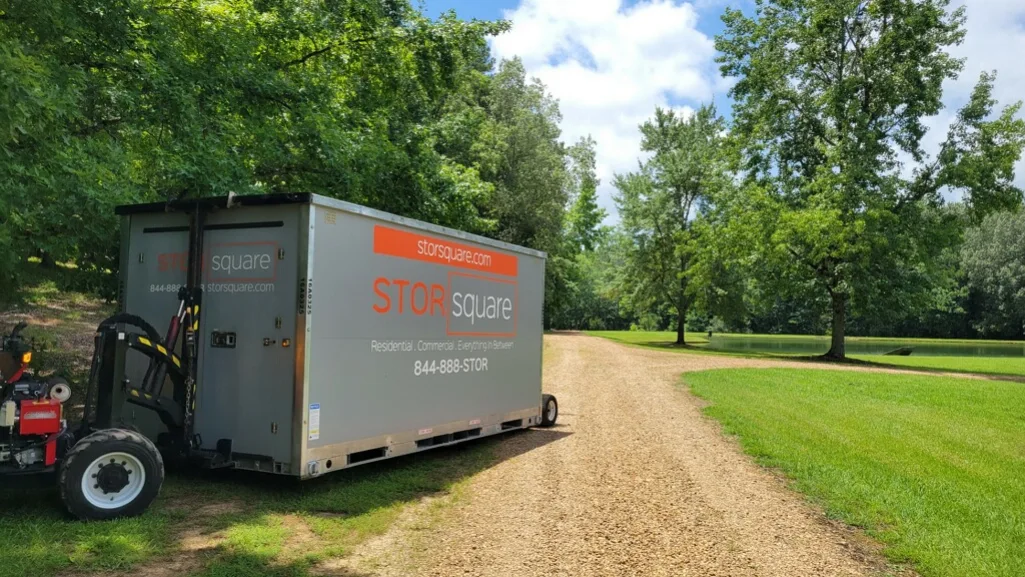
Why Maximizing Portable Storage Units Matters More Than You Think
Portable storage units are designed to be flexible, but that flexibility only works when the space is used deliberately. Without a plan, containers tend to swing between being crammed too tightly or left partially unused. Either way, the result is inefficient and risky. The goal is simple: fit everything securely without forcing it.
For many Alturas residents juggling moves, renovations, or downsizing projects, mobile storage units offer a more adaptable alternative to traditional self storage. Having the container delivered directly to your property changes how people approach packing. Instead of making repeated trips to a facility, you can load gradually, adjust as needed, and focus on efficiency rather than speed.
Maximizing portable storage units properly delivers several practical benefits that go beyond simply fitting everything inside. When items are arranged deliberately from the start, you can fit more belongings into a single container without compromising safety. Secure stacking reduces shifting during transport, while thoughtful placement keeps essentials accessible instead of buried behind heavy furniture. Just as importantly, efficient packing often eliminates the need to upgrade to a larger container, which helps keep storage costs under control.
This approach works whether you are storing items for a local move, a remodeling project, or short-term portable self storage.
Start With a Clear Plan Before the Container Arrives
Before the first box touches the floor of your portable storage unit, planning should already be underway. This step alone can make the difference between an organized container and a frustrating puzzle.
Walk through your home and group items by size, weight, and fragility. Furniture, appliances, and heavy boxes should be identified early. Lighter items and oddly shaped belongings can be worked around them later. If you live near Chain of Lakes or Lake Juliana Estates, driveway space may be limited, so knowing what goes in first helps keep loading efficient.
It also helps to think about duration. Short-term storage for a remodel is different from long-term storage during a move to Lakeland or Tampa. Items you will need sooner should be positioned closer to the door, while long-term items can be packed deeper inside.
How to Build Stable “Walls” Inside a Storage Container
One of the most overlooked strategies is treating the container like a structured room rather than an oversized box. Instead of stacking items wherever they fit, it helps to think in terms of surfaces, boundaries, and support — much like furnishing an empty space. When the container has a defined structure early on, everything else naturally falls into place.
Large furniture pieces play a key role in that structure. Items like couches, mattresses, headboards, and dressers create a strong perimeter when placed along the container walls. Once those anchors are set, smaller boxes and lighter belongings can be stacked more safely in front of them, reducing movement and eliminating awkward gaps that waste space.
Boxes should be stacked evenly, with heavier boxes at the bottom and lighter ones on top. Avoid pyramid shapes or uneven piles. Straight stacks reduce gaps and prevent shifting during transport.
It helps to use uniform box sizes when possible. Mixing too many different sizes creates gaps that waste space and compromise stability. If you must mix sizes, place larger boxes on the bottom and fill small gaps with soft items like linens or pillows.
Everyday Items That Double as Packing Tools
One overlooked trick to maximize portable storage units is using your belongings as containers within containers. This reduces the number of boxes you need and eliminates wasted air space.
Dressers, for example, are perfect for storing folded clothes, towels, or linens. Simply wrap the entire piece in stretch wrap to keep drawers secure. Suitcases can hold shoes, books, or seasonal clothing. Hampers can store cleaning supplies or bulky items that are hard to box.
This approach is especially useful during local moves around Alturas or South Lake Morton, where efficiency matters more than perfection. It also reduces packing material costs and speeds up loading.
A Simple Loading Order That Works for Most Homes
When people struggle to maximize portable storage units, the issue is often not the amount of space but the order in which items are loaded. Starting with large, heavy furniture placed securely against the back wall creates a stable base and helps distribute weight evenly from the start. Once those anchor pieces are in place, medium-weight boxes and appliances can be stacked between them, using the furniture as support rather than stacking everything independently.
Lighter boxes and soft items work best closer to the front of the container, where they can fill gaps without being crushed. This sequence not only improves stability but also keeps frequently needed items more accessible. For apartments and family homes alike, following a consistent loading order removes much of the guesswork and reduces the temptation to reshuffle items repeatedly.

Not sure what size container you actually need?
A quick conversation with a local storage expert can help you avoid overpaying for extra space — or struggling with a unit that’s too small.
Common Mistakes That Waste Storage Space
Even experienced movers often lose usable space without realizing it. One common issue is leaving narrow gaps between items, especially when stacking boxes of different sizes. While each gap may seem insignificant on its own, together they can reduce the total capacity of a container and make loads less stable during transport.
Another frequent mistake is uneven weight distribution. Placing all heavy items on one side of the container may feel efficient while loading, but it increases the risk of shifting and damage later. A balanced load not only protects belongings but also makes the container easier to move and unload. Over-boxing is another quiet space waster. Packing small items into too many boxes creates unnecessary bulk, while using furniture, bins, and suitcases more strategically helps reclaim valuable space.
Storage for Remodeling Projects
Portable storage is not just for moving. Many Alturas homeowners use mobile storage units during kitchen renovations, flooring upgrades, or whole-home remodels. In these cases, access matters just as much as space.
When storing items temporarily, create a clear aisle down the center or along one side of the container. This allows you to retrieve tools or furniture without unloading everything. It is a small adjustment that makes a big difference during ongoing projects.
How Smart Storage Choices Save Money
Maximizing portable storage units is not just about fitting everything inside. It directly affects your budget. Choosing the right size container and packing it efficiently can eliminate the need for additional storage rental containers.
Many people assume they need a larger unit than they actually do. With a clear layout and measured approach, many people are surprised by how much they can fit once they stack items safely and measure bulky pieces before loading. A good rule is to group and measure what you plan to store first, which is one of the most reliable ways to estimate space needs and avoid renting more room than necessary.
This is where working with a provider that understands local storage needs can help. Subtle guidance, flexible delivery options, and clear communication often make the difference between stress and simplicity.
Ready to see what your storage cost would look like?
Get a personalized quote based on your move, remodel, or timeline — with no guesswork involved.
Space-Saving Strategies That Actually Work
There is no single trick that magically creates more space inside a portable storage container. Instead, space efficiency comes from combining several small strategies that work together. The most effective approach usually blends smart furniture placement, consistent box sizing, and intentional access planning. The table below highlights a few proven strategies and explains when each one makes the biggest difference.
| Strategy | Why It Works | Best Use Case |
|---|---|---|
| Vertical furniture placement | Creates stable “walls,” protects softer items, and frees up floor space for stacked boxes. | Large homes, family moves, and bulky furniture-heavy loads. |
| Using dressers and suitcases | Reduces the number of boxes needed and eliminates wasted air space inside containers. | Clothing-heavy storage and quick packing for local moves. |
| Uniform box sizing | Makes stacking easier, minimizes gaps, and improves stability during transport. | Long-term storage and loads with lots of boxed household items. |
| Even weight distribution | Prevents shifting, reduces damage risk, and keeps the container safer to move. | Moving containers and any load traveling to a new location. |
| Aisle planning | Keeps a clear access path so you can retrieve essentials without unloading everything. | Remodeling projects and short-term portable self storage. |
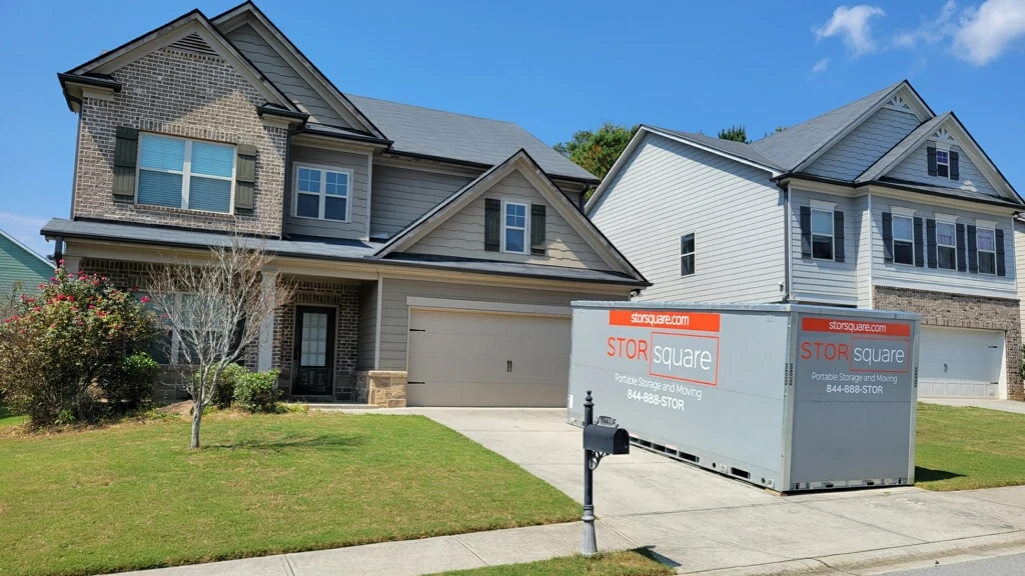
Storage Needs Around Alturas and Beyond
Alturas sits in a unique position between growing hubs like Lakeland and quieter residential areas near Royal Ranches. Many residents balance suburban living with commutes, home projects, and seasonal moves.
Because of this, portable storage units are often used for a mix of moving, temporary storage, and long-term organization. Understanding how to use the space efficiently allows you to adapt one container to multiple needs without constant reshuffling.
When to Get Professional Guidance
While DIY packing works for many, there are times when a little expert input helps. If you are managing a tight timeline, a complex remodel, or a multi-stage move, talking to a local storage specialist can save hours of trial and error.
A well-organized container does more than protect your belongings. It changes how the entire process feels. Instead of second-guessing whether everything will fit or worrying about damage, you can move forward knowing your space is being used efficiently and your items are packed with intention. That peace of mind often matters just as much as the extra square footage.
Ready to Make the Most of Your Storage Space?
If you are planning a move, remodel, or simply need extra room, the right strategy makes all the difference. Using the right layout and loading sequence allows you to store more without overspending on extra space.
Whether you are in Alturas, Winter Haven, or anywhere nearby, smart portable self storage starts with good planning and the right support.
Want expert guidance before moving day?
Whether you’re planning a local move in Alturas or clearing space during a remodel, our team can help you choose the right mobile storage solution with confidence.
A well-packed container is not just about space. It is about confidence, efficiency, and knowing you made the right choice from the start.