
If you’re wondering how to pack for a move, start by decluttering, then gather suitable supplies and work through your home in a practical order. Pack one room at a time, protect belongings with the right materials, and keep anything you’ll need before and immediately after the move separate and accessible.
This step-by-step guide covers the entire process, including building a packing schedule, choosing supplies, organizing boxes, protecting fragile items, labeling everything clearly, and getting ready for moving day. The instructions apply whether you’re moving locally, relocating a long distance, or using temporary storage because your move-out and move-in dates do not align.
1. Create a Packing Plan Before You Start
How far in advance to start packing depends on the size of your home, the number of belongings you have, and how much time you can set aside each day. Once your move date is confirmed, count the available packing days and note when work, travel, or other commitments will limit your progress.
Create your packing schedule by listing every room and storage area, including closets, the garage, and outdoor spaces. Estimate how many packing sessions each area will require, then assign those sessions to specific days or weeks. Set aside additional time for decluttering, buying any missing supplies, and handling fragile or valuable belongings. Save everyday items and moving-day essentials for the final packing sessions.
To pack for a move efficiently, give each session a specific goal, such as finishing one closet or packing a single category. If the move is happening quickly, prioritize the areas that require the most work, remove anything you will not take, and complete one area before opening boxes elsewhere. This prevents half-packed boxes from accumulating throughout the home and makes it easier to see what still needs to be done.
2. Declutter Before You Start Packing
Removing belongings you no longer want means fewer boxes to buy, pack, carry, and unpack. It also frees up space in a moving container and may help reduce your moving costs, particularly if moving fewer belongings allows you to choose a smaller container or rent fewer containers.
Work through one small area at a time. Keep an item if you use it, need it, or already know where it will go in the new home. If you no longer want it, consider whether its condition and value make it suitable for selling or donating. Recycle materials accepted by your local program, and discard items only when they are damaged, expired, unsafe, or unsuitable for reuse. The EPA provides additional guidance on recycling common household materials.
Place anything you are unsure about in a temporary decision area, but resolve it before packing that part of the home. Clothing that no longer fits, duplicate kitchen tools, outdated paperwork, and furniture that will not suit the new space are common places to begin. Making these decisions now saves packing space and prevents you from having to sort through unwanted belongings after the move.
3. Gather the Essential Packing Supplies
Start by reviewing what remains in each room after decluttering. Note which belongings can go into standard moving boxes and which require specialty boxes, extra support, or protective padding. Estimating supplies room by room is more reliable than buying one large bundle without considering what you own.
Most household moves require:
- Sturdy moving boxes in several sizes
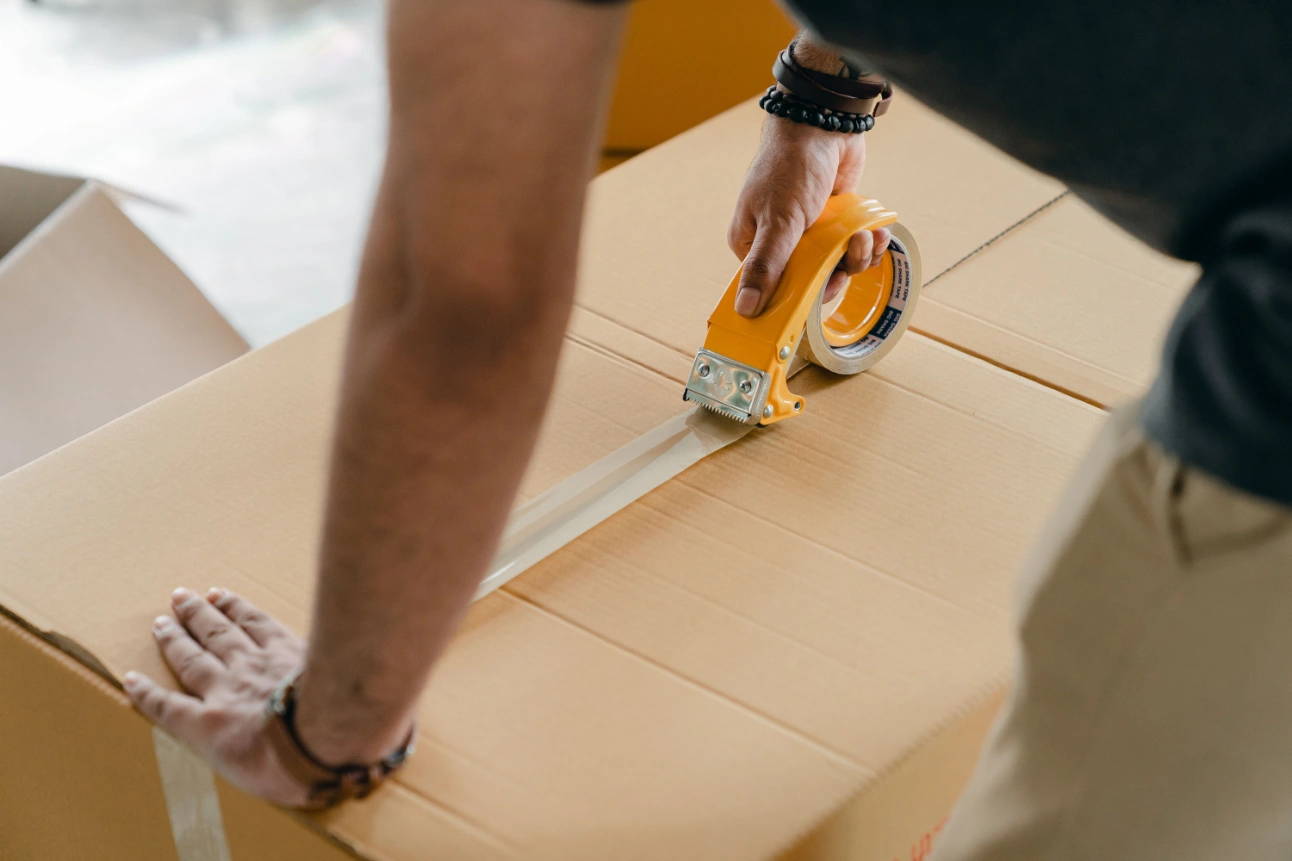
- Strong packing tape and a dispenser
- Permanent markers or printed labels
- Protective materials such as packing paper and bubble wrap
- Furniture covers or moving blankets (specially useful for larger belongings)
- Specialty boxes (worth considering for fragile items)
To estimate quantities, group your belongings by room and consider how many items can safely share each box. Buy a modest amount first, then add supplies as you see how quickly they are being used. Reused boxes can help control costs, but check that they are clean, dry, undamaged, and strong enough to remain stable when stacked.
4. Pack One Room at a Time
Room-by-room packing keeps belongings from different parts of the home separated. It also makes labeling easier and allows each box to go directly to the correct room during unloading.
Begin with one contained area, such as a closet, cabinet, or set of drawers. Separate what can be packed now from what is still being used, then group similar belongings together. Finish, seal, and label those boxes before moving to another part of the room. Although opening boxes in several rooms at once may feel faster, completing one area at a time leaves fewer loose belongings and half-packed boxes throughout the home.
In frequently used rooms, begin with seasonal, decorative, or occasional-use belongings. A guest room, formal dining area, or other less frequently used space can often be completed earlier without affecting daily routines.
This organization becomes especially useful with a portable moving and storage container. If the container will remain in your driveway, load longer-term belongings farther inside and keep anything you expect to retrieve closer to the entrance. If STORsquare will transport the container to a secure storage location until delivery, plan from the unloading stage backward: load the boxes you want to remove first last. That small change in loading order can make the first few hours at the new home considerably easier.

5. Decide What to Pack First
To determine what to pack first when moving, consider how likely you are to use each item before moving day. Your packing order should move from nonessential belongings to everyday necessities, allowing you to make steady progress without repeatedly reopening boxes.
| Pack now | Leave accessible until later |
|---|---|
| Seasonal décor and out-of-season clothing | Clothing and personal items currently in use |
| Books, artwork, collectibles, and decorative pieces | Current work or school materials |
| Rarely used cookware, serving dishes, and small appliances | Basic kitchen items still used each day |
| Extra linens and belongings from guest rooms or spare closets | Anything designated for the moving-day essentials bag |
Before sealing a box, ask whether you are likely to need anything inside it before the move. If the answer is yes, leave that item accessible or place it with other moving-day essentials. This simple check helps prevent unnecessary unpacking while the rest of your home is being prepared.
6. Pack Boxes for Safety and Efficiency
Match each box to the weight and size of what will go inside it. Heavy belongings are easier to carry in smaller boxes, while larger boxes work better for lightweight items. Before adding anything, reinforce the bottom seams with packing tape.
Build each box with heavier belongings at the bottom and lighter ones above them. Add protective padding where needed and fill open spaces with appropriate packing material so the contents cannot shift. Stop if the box becomes difficult to lift, begins to bulge, or can no longer close flat. Once the top closes without being forced, tape the seams securely.
A well-packed box should hold its shape, remain stable when lifted, and be manageable for one person. A small box of books, for example, is more practical than a large box filled entirely with books. A large box of lightweight bedding is also safer than one containing an unpredictable mixture of heavy and fragile belongings.
These individual packing decisions affect how safely the full load can be arranged. Uniform boxes with flat, securely closed tops are easier to stack than bulging or partially filled boxes. If you plan to use portable storage, estimate the combined space required for boxes, furniture, and other large belongings. You can then compare portable container sizes without relying on unstable stacks or forcing belongings into tight spaces.
Not sure which container size fits your move?
STORsquare can help you price the right container setup for your plans.
Get Temporary Storage Pricing7. Protect Fragile Items During the Move
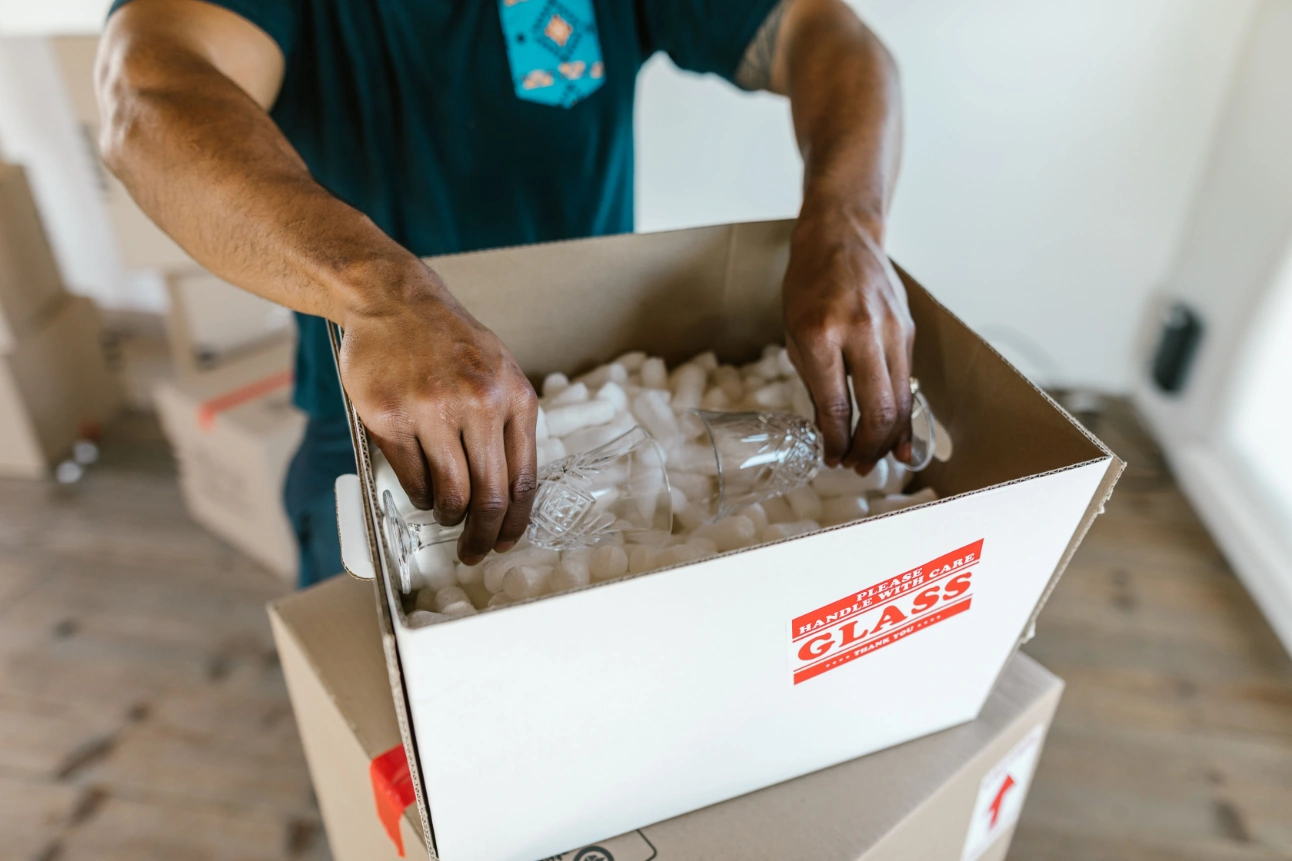
Fragile items need two forms of protection during a move: wrapping that absorbs impact and cushioning that prevents movement inside the box. Choose a sturdy box that provides enough room for protective materials without leaving excessive open space.
Keep these tips in mind when packing fragile items:
- Begin with a cushioning layer at the bottom of the box.
- Wrap each item separately with packing paper, bubble wrap, or another suitable material.
- Add extra protection around delicate edges, corners, screens, and handles.
- Position heavier pieces at the bottom without placing too much pressure on anything delicate.
- Plates should stand vertically rather than lie flat, while wrapped glassware should remain upright.
Use the original packaging for electronics when it is available and still in good condition. Otherwise, protect the screen and corners before cushioning the device on every side. Framed artwork and other flat pieces should also have reinforced corners and padding between them. Before sealing the box, move it gently without turning it over. If you hear or feel anything shifting, add more cushioning.
8. Save Space When Packing Clothes, Shoes, and Soft Items
The best method for packing clothes depends on whether they are folded, hanging, or needed soon after arrival. Fill suitcases and travel bags with folded clothing before using additional boxes, but distribute the weight so each bag remains manageable. Keep dresses, suits, and other wrinkle-prone garments on their hangers and place them in wardrobe boxes or protective garment bags.
When packing shoes for a move, clean and dry each pair first. Group pairs together, protect them with paper or clean fabric, and place heavier shoes at the bottom of a sturdy box. Avoid pressing footwear against delicate clothing or packing shoes so tightly that they lose their shape.
Towels, blankets, and linens can serve more than one purpose. Use them to cushion durable household items, fill gaps, or protect furniture surfaces. Reserve proper packing materials for delicate belongings that need consistent impact protection.
9. Label Moving Boxes So Everything Is Easy to Find
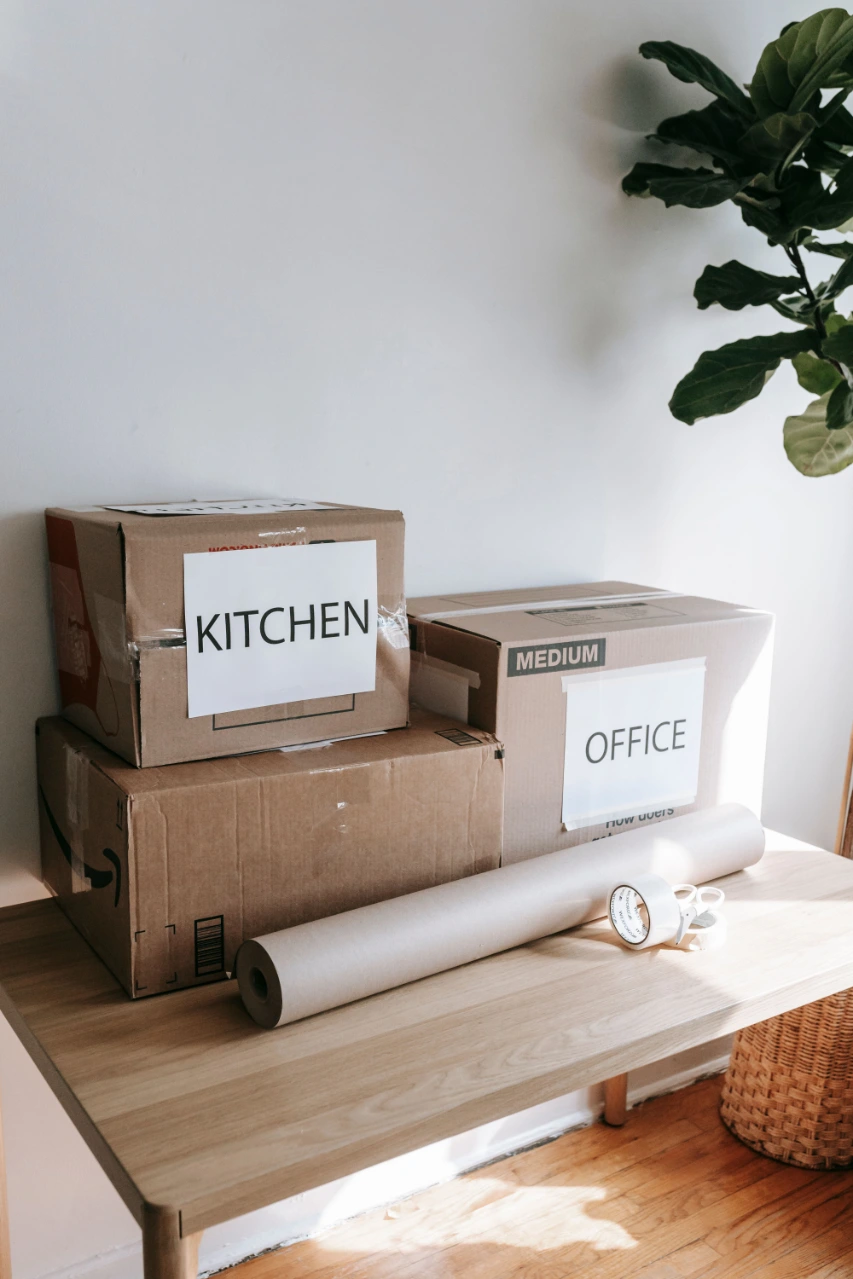
Use the same labeling format on every box. Include the destination room, a short description of the contents, and any relevant handling or priority instruction, such as “Fragile,” “Keep Upright,” or “Open First.” Write this information on the top and at least two sides so one label remains visible when boxes are stacked.
Color-coding can help distinguish rooms, but combine each color with written information so anyone helping with the move can understand the system. A blue label alone may not mean anything to another person, while “Blue—Primary Bedroom” is immediately clear.
Most household moves do not require a detailed inventory. Numbering boxes and maintaining a separate list becomes more useful when belongings will remain stored for an extended period, several boxes contain similar items, or valuable belongings need to be tracked.
When boxes are placed in a portable storage container, turn visible labels toward the access path whenever possible. This makes it easier to identify a box without rotating or moving several others first.
10. Keep a Moving Day Essentials Bag
Set aside the belongings you will need during the move and before regular unpacking begins. Keep them in a clearly marked suitcase, tote, or bag that travels with you rather than being placed with the regular moving load.
Include:
- Daily toiletries and medications
- Phone chargers
- Identification and important documents
- Keys
- A change of clothes
- Basic bedding and towels
- Drinking water and snacks
- A small number of dishes or utensils.
Need storage between moving dates?
Keep your loaded container at your property or have STORsquare store it at a secure location until your new home is ready.
Plan Your Container11. Use Your Packing Space Efficiently
Packing efficiently means making thoughtful use of available space without creating containers that are unsafe to lift or putting belongings at risk. Once suitcases and travel bags have been assigned suitable clothing or personal items, count them as part of the overall packing plan instead of treating them as extra space to fill later. Every box, bag, and closable container should remain manageable and secure during transport.
Avoid concentrating dense belongings in one box simply because more space remains inside it. Distribute the weight among several containers and stop before any box or suitcase becomes awkward to handle. Boxes should close flat and hold their shape, since irregular tops and bulging sides make the overall load less stable.
When loading a portable storage container, work in secure sections from the back toward the entrance. Spread heavier furniture and boxes evenly across the floor, place lighter belongings above them, and protect furniture surfaces with suitable covers or padding. Use vertical space only when the items below can support the weight, and secure completed sections with appropriate straps to limit movement during transportation. This approach uses the available capacity while keeping the load balanced and protected.
12. Finish Packing With a Moving Day Checklist
Use this final moving checklist after most belongings have been loaded. It provides a quick summary of the last areas and items to check before you secure the container and leave the property.
Open every closet, cabinet, drawer, and built-in storage area. Check the garage, attic, basement, shed, patio, and outdoor spaces. Look behind doors, beneath furniture, and on high shelves. Confirm that appliances are empty and properly prepared for moving. Make sure every box is closed, securely taped, and labeled on multiple sides. Separate boxes and belongings that require special handling. Place your essentials bag, medications, identification, keys, and important documents in the vehicle traveling with you. Collect chargers, cleaning supplies, and tools used during the final preparations. Remove any remaining trash and recycling. If using temporary storage, confirm that boxes and furniture are stable, protected, and clearly labeled before securing the container. Complete one last walkthrough after everything has been loaded.