
Long-distance moving can feel expensive before you even start packing. Between transportation, labor, supplies, storage, travel, fuel, insurance, and last-minute changes, the final cost can climb quickly. The good news is that a lower-cost move does not have to mean a risky, disorganized, or exhausting one. With the right plan, you can save money while still protecting your belongings, your schedule, and your peace of mind.
One of the smartest ways to lower costs is to take more control over the parts of the move that usually create extra fees. That includes how much you move, when you move, who does the packing, and how your belongings are loaded and transported. For many households, moving with portable storage offers a practical middle ground between a full-service moving company and renting a truck for a cross-country drive.
Instead of paying movers by the hour while you rush to finish, a portable storage container lets you pack on your own timeline. The container is delivered to your home, you load it, and then it is transported when you are ready. Companies like STORsquare offer long-distance moving container options designed for people who want flexibility without giving up dependable service.
Planning a long-distance move on a budget?
Get a moving container quote and see how flexible delivery, self-paced packing, and long-distance transportation can fit your timeline.

Why long-distance moves get expensive so quickly
Local moves are often priced around labor hours, truck time, and mileage. Long-distance moves add more layers. The final price may depend on distance, shipment weight or container size, fuel, delivery windows, storage needs, packing services, and whether your dates change. A move from one city to another can be manageable, but moving across state lines usually requires more planning and fewer mistakes.
The biggest budget problem is that many people only plan for the obvious cost: getting their belongings from point A to point B. They forget about everything that happens around that core service. Maybe the new home is not ready on time. Maybe the apartment elevator can only be reserved for two hours. Maybe the movers arrive before the packing is done. Maybe the family needs temporary storage between closing dates. Each delay can turn into extra labor, extra rent, extra truck time, or extra stress.
That is why the best budget strategy is not just “find the cheapest mover.” It is to remove unnecessary volume, avoid peak pricing when possible, do more of the simple work yourself, and choose a moving method that gives you breathing room. Moving with portable storage can help because it separates packing from transportation. You are not trying to pack, load, clean, sign paperwork, and leave town all in one chaotic day.
Start by decluttering before you pack
The cheapest item to move is the one you do not move at all. Decluttering is not glamorous, but it is one of the most reliable ways to lower long-distance moving costs. The farther you move, the more every box matters. Furniture, duplicate kitchen items, old electronics, unused sports gear, books, holiday decorations, and clothes can take up valuable space in a truck or container.
Start with the bulky items first. A worn-out sofa, a heavy dresser, or a dining table you plan to replace soon may cost more to move than it is worth. Be honest about what fits your next home and your next stage of life. If you are downsizing, moving into a temporary rental, or relocating for work, you may not need everything right away.
Decluttering also makes packing faster. When you sort before you box, you avoid paying for supplies and space for things that will sit untouched after the move. It can also help you choose the right container size. STORsquare, for example, offers several moving container sizes, which can help customers match the container to the amount they actually need to move instead of guessing too high or too low.
A good rule is to create four categories: keep, donate, sell, and dispose. The “keep” pile should include items you use, love, or would pay to replace. The “donate” pile should include useful items that no longer fit your life. The “sell” pile should be worth the time it takes to list, message buyers, and arrange pickup. The “dispose” pile should be handled early, especially if your city has bulk trash pickup rules or recycling restrictions.
Do not wait until the week of the move to do this. Decluttering works best when it starts four to eight weeks before moving day. That gives you enough time to sell larger items, schedule donation pickups, shred old paperwork, and avoid panic decisions.
Compare your main long-distance moving options
There is no single best way to move long distance. The right choice depends on your budget, timeline, physical ability, household size, and comfort level. A full-service mover can be convenient, but it is usually the highest-cost option. A rental truck can be cheaper upfront, but it adds fuel, lodging, driving fatigue, liability, and the challenge of handling a large truck over a long distance.
Portable storage sits between those options. You handle the packing and loading, but you do not have to drive the container across the country yourself. This is why many people consider moving with portable storage when they want to reduce labor costs without taking on every part of the move alone.
| Moving option | Best for | Where costs can rise | Budget advantage |
|---|---|---|---|
| Full-service movers | People who want packing, loading, transport, and unloading handled for them | Labor, packing materials, weight, access issues, date changes, storage delays | Less physical work, but usually the most expensive |
| Rental truck | People comfortable driving long distances and managing the whole move | Fuel, hotels, tolls, insurance, equipment, extra mileage, breakdown delays | Lower upfront cost, but more personal responsibility |
| Moving with portable storage | People who want flexible packing and professional transportation | Container size, distance, rental period, optional loading help | Reduces hourly labor pressure and allows packing over time |
| Freight trailer | Large homes or people comfortable loading commercial-style space | Space used, parking rules, loading equipment, limited flexibility | Can work for large shipments with careful planning |
| Hybrid move | People who want to do some tasks and hire help for the hardest parts | Local labor hours, supplies, container or truck fees | Lets you choose where to spend and where to save |
The best budget move is often a hybrid move. You might declutter and pack yourself, hire help for the heaviest items, use a portable storage unit for transport, and unpack gradually after delivery. This approach can protect your budget while still giving you support where it matters most.
Move during off-peak seasons when possible
Timing can make a major difference in long-distance moving costs. In many markets, demand for moving services tends to rise during the summer, especially when families are trying to relocate between school years and leases are turning over. Weekends and the beginning or end of the month can also book up quickly because they line up with work schedules, rental agreements, and closing dates.
When demand is high, moving dates can be harder to reserve and pricing may be less flexible. If you have any control over your schedule, consider moving during an off-peak period. Fall, winter, and early spring can offer more availability. Mid-week and mid-month dates may also be easier to book than weekends or month-end dates.
This does not mean you should choose a bad date just to save a little money. Weather, work deadlines, school schedules, closing dates, and family needs all matter. But if your move has some flexibility, timing is one of the simplest savings tools available.
Portable storage can help here because it allows you to separate packing from pickup and delivery. You can begin loading before your final moving date, then schedule transportation around your timeline. That flexibility is useful when you are trying to avoid peak dates or coordinate a move-out date with a move-in date in another state.
Pack yourself, but pack carefully
Packing yourself can save money, especially on a long-distance move. Professional packing services are convenient, but labor and materials can add up quickly. If your goal is to control costs, self-packing is one of the most practical places to save.
The key is to do it well. Poor packing can lead to broken dishes, scratched furniture, crushed boxes, and wasted container space. Saving money upfront does not help if you have to replace half your belongings later.
Start with quality boxes in a few consistent sizes. It is tempting to use random free boxes from stores, and some are fine for light items, but weak or mismatched boxes can collapse during stacking. Use small boxes for heavy items like books, tools, and canned goods. Use medium boxes for kitchenware, toys, and decor. Use large boxes for lighter items like bedding, pillows, and lampshades.
Label every box on at least two sides. Include the room and a short description. “Kitchen: everyday dishes” is more useful than “kitchen.” If you are moving with portable storage, clear labels will make loading and unloading easier because you can group boxes by room and weight.
Protect furniture before it goes into the container. Use moving blankets, stretch wrap, mattress bags, and corner protectors when needed. Fill empty spaces in boxes so items do not shift. Keep hardware in labeled bags and tape those bags to the furniture piece or store them in a clearly marked parts box.
Most importantly, do not pack essentials too early. Keep a personal travel kit with medications, chargers, documents, toiletries, basic tools, pet supplies, a few dishes, and clothes for several days. Long-distance moves can involve timing gaps, so the items you need immediately should stay with you, not buried in a container.
 Use portable storage to avoid hourly labor overages
One of the most stressful parts of a traditional moving day is the clock. If movers charge by the hour, every delay can cost money. If you are still packing when the crew arrives, the bill can increase. If the elevator is slow, the driveway is blocked, or furniture needs to be disassembled, the bill can increase again.
Moving with portable storage helps reduce that pressure because the container is delivered before the transportation date. You can pack over several days or weeks instead of forcing everything into one rushed morning. That extra time can make a major difference for families, people working full-time, seniors, and anyone managing a move without a large crew of helpers.
It also gives you more control over loading. You can place heavy furniture first, stack boxes carefully, distribute weight evenly, and use tie-downs or straps to reduce shifting. Instead of paying movers to wait while you decide what goes where, you can take the time to load thoughtfully.
This is where a long-distance portable storage service can be especially helpful, especially if your route falls within the provider’s service area. STORsquare’s long-distance moving options are built around flexible container delivery, customer-paced packing, and scheduled transportation for eligible moves. The point is not just storage. It is a calmer process that can reduce last-minute labor costs and make the move feel less rushed.
Want more control over moving day?
STORsquare’s long-distance moving containers let you pack at your pace, avoid rushed loading, and keep your move organized from start to finish.
Choose the right container size
Choosing the wrong size can affect your budget. Too small, and you may need a second container or another transport solution. Too large, and you may pay for space you do not use. The goal is to estimate realistically after decluttering, not before.
Walk through your home room by room and list the major furniture pieces, box estimates, outdoor items, garage contents, and storage-area items. Garages, attics, basements, and sheds are often where people underestimate volume. Patio furniture, tools, bikes, seasonal bins, and lawn equipment can take more room than expected.
Think about how items can stack. Boxes stack better than loose bags. Disassembled furniture takes less space than fully assembled furniture. Vacuum-sealed bedding can reduce volume. On the other hand, fragile items may need more padding and should not be crushed under heavy boxes.
A container-size guide or quote form can help you narrow the choice. When you request a quote from a portable storage provider, be honest about your inventory. Mention large or awkward pieces, stairs, narrow driveways, and timing needs. A slightly more accurate quote at the beginning is better than a surprise later.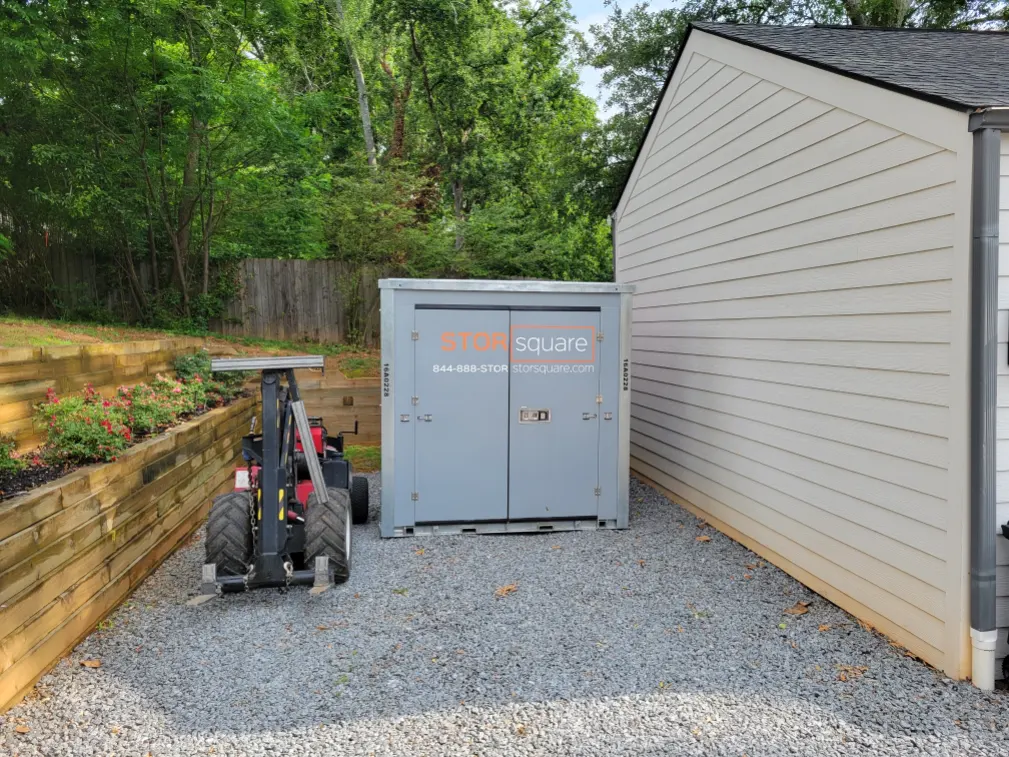
Be strategic about loading help
Saving money does not always mean doing every physical task yourself. In fact, hiring help for a few hours can sometimes protect your belongings and your body while still keeping the move affordable. The trick is to use labor strategically.
You might pack boxes yourself, then hire local loading help for heavy furniture, appliances, mattresses, and awkward items. This can be less expensive than paying for a full-service move because the crew is only handling the hardest part. It can also help maximize container space because experienced loaders understand weight distribution and safe stacking.
Before hiring labor, make sure everything is ready. Boxes should be packed, sealed, and labeled. Furniture should be cleared off. Walkways should be open. Pets should be secured. If the crew spends paid time waiting for decisions, moving clutter, or taping boxes, your savings shrink.
Portable self storage gives you more flexibility here. Since the unit can sit at your home while you pack, you can schedule help only when the big items are ready. You are not tied to a narrow truck rental window or a full-service crew’s moving-day pace.
Save on packing supplies without risking damage
Packing supplies are another area where costs can sneak up. Boxes, tape, bubble wrap, paper, mattress covers, furniture pads, and straps all add up. But cutting corners on supplies can lead to damage, especially during long-distance transportation.
Use a mix of purchased and repurposed materials. Towels, blankets, socks, and linens can cushion dishes, lamps, and decor. Suitcases are great for books and heavy clothing. Laundry baskets can carry lightweight items for a local leg of the move, though they are not ideal for long-distance stacking unless packed inside the container securely.
Buy good tape. Cheap tape splits, peels, and requires more layers. Use packing paper or clean newsprint for fragile kitchen items. Avoid using newspaper directly on delicate surfaces because ink can transfer. For mirrors, artwork, and televisions, use specialty boxes or protective kits when possible.
You can also reduce supply costs by packing early. When you have time, you can collect sturdy boxes from friends, online neighborhood groups, offices, or recent movers. When you wait until the last minute, you usually end up buying everything at retail prices.
Build a realistic moving budget
A moving budget should include more than the transportation quote. Long-distance relocation often includes travel costs, temporary lodging, pet boarding, meals on the road, utility deposits, cleaning fees, vehicle shipping, storage, childcare, and time off work. A realistic budget gives you a clearer picture of where you can save. The FMCSA moving checklist can also help you track important steps before, during, and after an interstate move.
Create three categories: fixed costs, flexible costs, and emergency costs. Fixed costs include the moving container or transportation service, lease or closing expenses, and required travel. Flexible costs include supplies, optional labor, and furniture replacement. Emergency costs include delays, repairs, extra nights in a hotel, or unexpected storage needs.
Portable storage can help with the emergency category because it gives you a built-in buffer if dates do not line up perfectly. For example, if your new home is not ready, you may be able to keep your belongings in the container rather than unloading into a temporary space and moving everything twice. That can save money, time, and frustration.
Avoid common budget mistakes
The most expensive moving mistakes usually come from rushing. People book too late, pack too late, underestimate how much they own, or choose the lowest quote without understanding what is included. A low starting price can become expensive if it does not include the services you actually need. It is also smart to review FTC guidance on how to avoid moving scams before signing a contract.
Read the quote carefully. Ask what is included, what can change the price, how delivery dates work, and whether storage is available if plans shift. For long-distance moves, timing matters as much as transportation. A cheap service with vague delivery windows may not be a good fit if you need to start work, enroll kids in school, or coordinate a home closing.
Another mistake is moving items that should have been sold, donated, or replaced. A long-distance move is a natural point to reset. If a piece of furniture is damaged, does not fit your new home, or costs less to replace than to move, think carefully before giving it container space.
Finally, do not forget access rules. Apartments, condos, HOAs, and city streets may have rules about portable storage units, parking, permits, and delivery times. Check these details early so you are not dealing with fines or rescheduling fees close to moving day.
How moving with portable storage supports a long-distance budget
Moving with portable storage helps because it gives you more control over the parts of a long-distance move that often create extra costs. Instead of paying for a full-service move from start to finish, you can declutter, pack, and load at a pace that works for your household. That flexibility can make the process feel less rushed while still keeping your belongings organized for transport.
It can also be useful when your moving dates do not line up perfectly. If there is a gap between leaving one home and getting access to the next, portable storage units can help you avoid unloading everything into a temporary storage facility and moving it again later. For people comparing storage container rentals, mobile storage units, self storage containers for rent, and traditional moving services, the main advantage is convenience without taking on the entire move yourself.
For long-distance services, the value is not just having a container. It is having a moving plan that reduces extra handling, gives you time to load carefully, and helps you stay within a more predictable budget.
A sample savings plan for a budget-friendly long-distance move
A smart long-distance moving plan starts early. About two months before the move, begin decluttering and getting quotes. Focus on large items first because they affect space and cost the most. Decide what will be sold, donated, or disposed of before you choose your moving container size.
Six weeks before the move, start packing nonessential items. Seasonal decor, books, guest room items, extra linens, and rarely used kitchenware can be boxed early. This is also a good time to gather supplies gradually instead of buying everything in one expensive trip.
Four weeks before the move, confirm your moving method and dates. If you are moving with portable storage, schedule container delivery with enough time to pack comfortably. Check driveway access, neighborhood rules, and whether permits are needed.
Two weeks before the move, pack most of the house and leave only daily essentials unpacked. Confirm travel plans, utility changes, address updates, school records, medical records, and pet arrangements. You can also submit a change of address with USPS so mail is forwarded to your new home. If you plan to hire loading help, make sure the date and scope of work are clear.
During the final week, finish packing, clean as you go, and load the container in a careful order. Heavy items should go low. Fragile items should be protected. Essentials should travel with you. Once the container is picked up, you can focus on the trip instead of worrying about driving a moving truck yourself.
Cut costs, not quality
A budget move should still be a good move. The goal is not to choose the cheapest possible option at every turn. It is to spend money where it protects your belongings, your schedule, and your energy, while cutting the waste that does not add value.
Decluttering saves space. Off-peak timing may improve availability. Packing yourself reduces labor costs. Portable storage helps you avoid hourly pressure and gives you more control over loading. Together, these choices can make long-distance moving more affordable without making it feel careless or chaotic.
If you are planning a move across state lines, it is worth comparing your options early. A portable storage container may give you the balance you are looking for: enough structure to keep the move organized, enough flexibility to pack at your pace, and enough support to avoid doing the entire move alone.
Ready to price out your long-distance move?
Request a quote from STORsquare to confirm availability for your route, compare container options, and build a moving plan that fits your budget.
STORsquare offers long-distance moving containers for customers who want a more flexible way to relocate without the usual moving-day rush. Start with a quote, compare your options, and build a plan that fits your budget before the pressure of moving week begins.