
Restoration companies operate in a world where control is often limited. Jobs often begin suddenly, and conditions can change quickly from one moment to the next. Properties may be unstable, timelines are compressed, and expectations from property owners and insurance providers are high. Because of this unpredictable environment, restoration success depends less on perfect conditions and more on adaptable systems that continue working under pressure. One of the most overlooked systems in that equation is storage.
That is why portable storage solutions for restoration have become such a critical operational tool. Not as a convenience, and not as an afterthought, but as a way to bring structure into chaotic environments. When storage is handled well, crews move faster, contents stay protected, and projects stay on track. When it isn’t, everything else becomes harder.
This article takes a fresh look at portable storage through the lens of restoration work specifically. Instead of focusing on generic construction workflows, we’ll explore how storage supports emergency response, contents management, insurance coordination, and multi-stage restoration projects. More importantly, we’ll show how the right storage approach quietly improves outcomes for both restoration teams and their customers.
Restoration Work Is Different, and Storage Has to Match
Unlike planned construction projects, restoration jobs rarely begin on schedule. Instead, they begin when something goes wrong. A pipe bursts overnight. A storm damages multiple properties at once. A fire displaces a family with little warning.
Because of this, restoration crews don’t have the luxury of staging materials weeks in advance. However, they still need order. They still need accountability. And they still need to protect what matters.
Portable storage solutions for restoration bridge that gap. They allow teams to respond immediately while still maintaining control over tools, equipment, and customer belongings. As a result, urgency does not have to come at the expense of organization.
Contents Management Is Where Portable Storage Solutions for Restoration Become Critical
One of the defining elements of restoration work is contents handling. Unlike many other trades, restoration companies are often responsible for removing, protecting, documenting, and returning personal belongings.
This creates several challenges at once.
First, contents must be removed quickly to prevent further damage. At the same time, they must be stored safely and in a way that preserves chain of custody. Additionally, items may need to be accessed later for cleaning, evaluation, or insurance review.
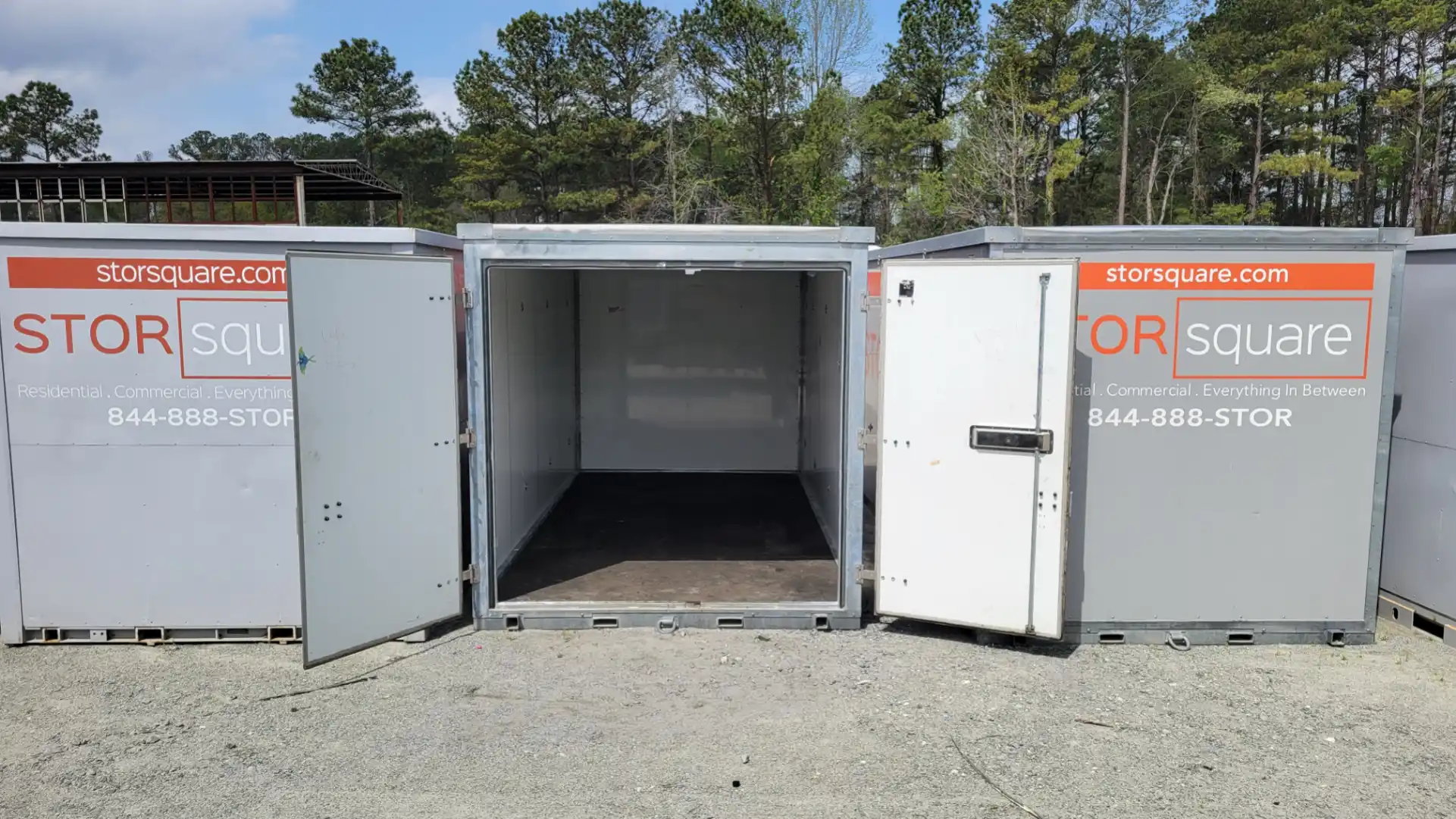
Portable storage makes this possible. Instead of dispersing belongings across multiple locations, restoration teams can consolidate contents into secure containers. Consequently, tracking becomes easier, access is controlled, and the risk of loss decreases.
Speed Without Structure Creates Problems
Restoration crews are trained to act quickly when damage occurs. However, speed without structure can create new problems later in the project. When systems are not in place, items can easily become mixed together, tools may be misplaced, and documentation becomes more difficult to maintain. Over time, these small disruptions add up and slow down the overall restoration process.
Portable storage introduces structure early in the job. For example, containers can be assigned by room, category, or project phase. This makes it easier to inventory contents and align them with documentation.
As a result, the initial response remains fast, but the long-term process becomes smoother.
Portable Storage Solutions for Restoration as a Mobile Staging Hub
Restoration work relies heavily on specialized equipment. Dehumidifiers, air movers, generators, cleaning supplies, and protective gear all need to be available quickly.
Instead of loading and unloading trucks repeatedly, many restoration companies use portable storage as a mobile staging hub. Equipment can be stored securely near the job site and accessed as needed throughout the day.
Because of this, crews spend more time working and less time managing logistics. Over the course of a multi-day or multi-week project, that time savings is significant.
Need flexible storage during a restoration project?
Portable containers allow restoration teams to protect contents, stage equipment, and keep job sites organized without slowing down emergency response.
Reducing Congestion in Damaged Properties
Damaged properties are rarely ideal workspaces. Hallways are tight. Rooms are compromised. Safety hazards are everywhere.
By moving non-essential items, equipment, and contents into portable storage, restoration teams create clearer work zones. This improves safety and reduces the chance of secondary damage.
Furthermore, when properties are occupied, reducing clutter also lowers stress for occupants. They can see progress happening without feeling overwhelmed by chaos.
Portable Storage Supports Insurance Documentation
Insurance-driven restoration projects require accuracy. Items must be documented. Conditions must be recorded. Processes must be defensible.
Portable storage supports this by keeping contents centralized and controlled. Items can be photographed, logged, and secured in one place. If questions arise later, documentation is easier to verify.
This level of organization not only helps restoration companies protect themselves, but also builds trust with adjusters and property owners.
Portable Storage Solutions for Restoration That Move With the Job
Restoration projects evolve. What starts as mitigation often becomes reconstruction. What begins on-site may later require off-site staging.
Portable storage solutions for restoration adapt to those changes. Containers can be relocated, swapped, or resized as the project progresses. Because of that flexibility, storage does not become a bottleneck.
Instead, it supports the natural flow of restoration work from emergency response to final rebuild.
Managing Multiple Jobs Without Losing Control
Many restoration companies manage multiple jobs simultaneously. Crews rotate. Equipment moves. Priorities shift.
Portable storage helps maintain separation between projects. Containers can be assigned per job, preventing cross-contamination of equipment or contents. This clarity reduces mistakes and improves accountability.
Moreover, managers gain a clearer overview of where assets are at any given time.
Cost Control Through Operational Efficiency
While portable storage involves a rental cost, it often reduces larger expenses elsewhere. Lost equipment, damaged contents, and wasted labor time are far more costly over the long term.
By improving organization and access, portable storage reduces these risks. Additionally, fewer emergency trips and rework situations translate into better margins.
When viewed as part of operational strategy, portable storage becomes a cost-control tool rather than an added expense.
Supporting the Transition From Restoration to Remodeling
Many restoration jobs do not end with mitigation. Instead, they transition into remodeling or reconstruction.
Portable storage continues to provide value during this phase. Contents remain protected while rebuild work happens. Materials can be staged without crowding the workspace. Tools stay organized across phases.
This continuity prevents disruption and allows teams to maintain momentum through the entire project lifecycle.
Storage Decisions Affect Customer Experience
From the customer’s perspective, restoration is stressful. Their property is damaged. Their routines are disrupted. Their belongings feel vulnerable.
When customers see their items handled carefully and stored securely, confidence increases. Communication becomes easier. Frustration decreases.
Portable storage solutions for restoration quietly improve customer experience by demonstrating care, organization, and professionalism without needing to be explained in detail.
Planning Portable Storage Solutions for Restoration Into Protocols
The most effective restoration companies do not improvise storage decisions once a project begins. Instead, they integrate portable storage planning directly into their response protocols so crews know exactly how to handle materials, equipment, and contents from the start.
During the early planning stages, teams typically evaluate several practical questions. For example, they must determine how contents will be stored once they are removed from the damaged structure, especially when personal belongings require protection during drying, cleaning, or reconstruction. They also need to decide where equipment will be staged so that dehumidifiers, air movers, and cleaning tools remain accessible without cluttering the work area.
In addition, project managers consider how long storage will be needed and whether crews will require regular access to stored items during the restoration process. By addressing these questions early, restoration teams can avoid confusion later and ensure that portable storage supports the workflow instead of slowing it down.
The Role of Flexible Storage Providers
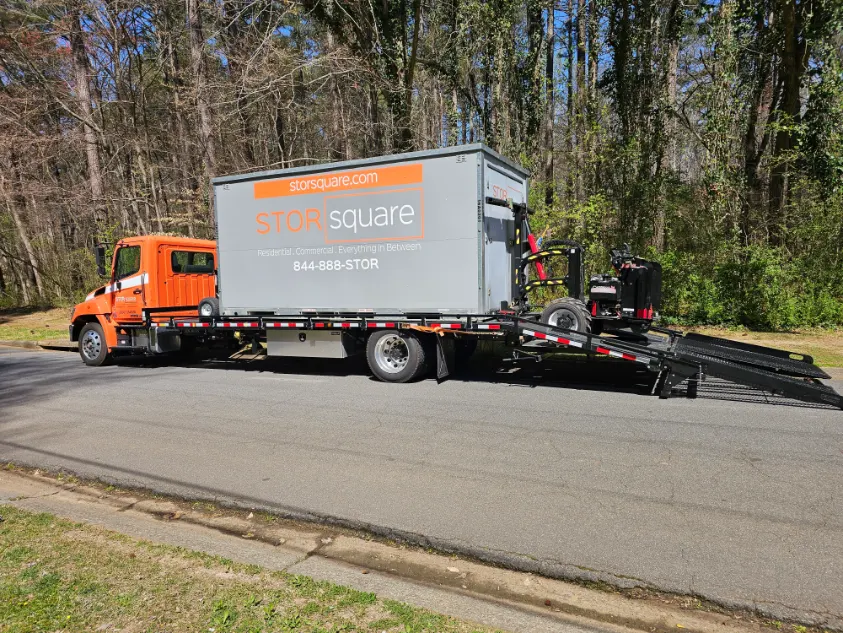
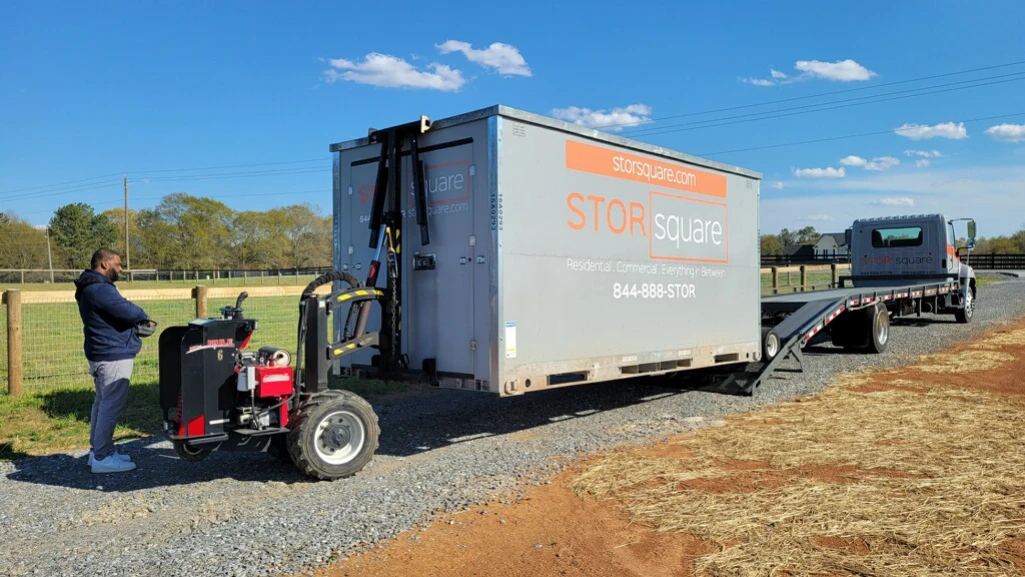
For restoration companies that need storage to adjust quickly, flexibility matters. Services like STORsquare fit naturally into restoration workflows by offering portable storage that can be delivered, repositioned, and removed as projects change.
This adaptability supports the unpredictable nature of restoration work without adding administrative burden.
Environmental and Operational Responsibility
Restoration work already involves waste reduction and recovery. Portable storage supports these goals by preventing unnecessary damage and reducing repeated transport.
Fewer damaged contents mean fewer replacements. Fewer trips mean lower emissions. Over time, these efficiencies align with both environmental responsibility and operational efficiency.
Choosing Portable Storage Solutions for Restoration That Fit the Job
Not every restoration job is the same. Some require short-term storage for contents. Others need long-term staging for equipment. Some need both.
Portable storage solutions allow companies to match storage to the job, rather than forcing the job to adapt to storage limitations.
This flexibility is especially valuable in high-volume or disaster-response scenarios.
Storage as a Risk Management Tool in Restoration
Restoration work involves more than physical cleanup. It also carries legal, financial, and reputational risk. Lost items, damaged contents, and unclear handling procedures can quickly turn a routine job into a dispute. In this context, portable storage plays a role that goes beyond convenience.
By centralizing contents in secure containers, restoration companies reduce exposure to claims and misunderstandings. Items are less likely to be misplaced. Access can be controlled. Documentation becomes clearer. As a result, storage supports accountability as much as efficiency.
Additionally, portable storage helps separate affected items from unaffected ones. This distinction matters during insurance evaluations and contents restoration decisions. When belongings are mixed or staged haphazardly, it becomes harder to determine responsibility or condition. Storage containers create physical boundaries that support clearer assessments.
From an operational standpoint, this also protects crews. When expectations are defined and processes are visible, teams spend less time responding to questions or resolving conflicts. Instead, they can stay focused on the work itself.
Over time, this consistency strengthens internal standards. New hires learn one system. Project managers rely on predictable workflows. Leadership gains confidence that jobs are being handled uniformly, even under pressure.
In restoration, where uncertainty is unavoidable, systems that reduce risk are invaluable. Portable storage quietly supports that goal by adding structure where it matters most.
Preparing for Surge Events and Large-Loss Scenarios
Not all restoration work is one property at a time. Storms, floods, and regional disasters create surge conditions where multiple jobs begin simultaneously. During these periods, the ability to scale operations quickly determines success.
Portable storage solutions for restoration are particularly valuable in large-loss scenarios. Containers can be deployed rapidly to multiple locations, creating temporary hubs for contents, equipment, and materials. This allows restoration companies to respond at scale without overwhelming individual job sites.
Instead of improvising storage for each property, teams can follow a repeatable approach. Containers arrive. Contents are secured. Equipment is staged. Work begins. Because the system is familiar, crews adapt faster even in high-stress situations.
Additionally, centralized storage supports better coordination across teams. Managers can reassign equipment between jobs as priorities shift. Inventory remains visible and controlled. Decisions are made with better information.
This flexibility is also important after the initial response. Large-loss projects often extend for weeks or months. Portable storage remains useful throughout cleanup, drying, reconstruction, and final return of contents.
For restoration companies that want to be prepared for surge events, storage planning is not optional. It is part of readiness. Having access to flexible storage through providers like STORsquare helps teams respond quickly without sacrificing organization when it matters most.
Preparing for large-loss restoration projects?
Portable storage containers can help restoration companies manage contents, equipment, and materials when multiple jobs begin at once after storms, floods, or fires.
Why Portable Storage Solutions for Restoration Are an Advantage
Portable storage may not be the most visible part of restoration work, but it is one of the most impactful. It supports speed without sacrificing control. It protects assets while improving workflows. It reduces stress for crews and customers alike.
For restoration companies focused on reliability, efficiency, and trust, portable storage solutions for restoration are not optional. They are a practical advantage that supports every phase of the job, from first response to final rebuild.
When storage works the way restoration work does, everything else falls into place more easily.
Looking for reliable portable storage for restoration work?
STORsquare provides portable storage solutions that help restoration crews secure belongings, organize equipment, and keep projects moving efficiently.